
Lio Technologies GmbH
Proposal
Lio Website Migration (Framer), Redesign & Extension
Lio Technologies GmbH
Proposal
Lio Website Migration (Framer), Redesign & Extension
Lio Technologies GmbH
Proposal
Lio Website Migration (Framer), Redesign & Extension
Issued on
Valid until
Prepared For
Lio Technologies GmbH
Karlstraße 64-68/Seidlstraße 21-23
80335 München
Germany
Prepared By
Allsite Studio
Grünberger Strasse 17
10243 Berlin
Germany
Overview
We will redesign and rebuild the Lio website in Framer as a fast, scalable, conversion-focused platform that presents Lio as what it is: the world's first multi-agent system for procurement, built for global enterprises.
This is explicitly not a migration. We are not lifting the existing Kirby site into Framer. Every page will be redesigned, new sections will be developed, and new page types will be introduced — including the agent pages, customer stories, security, and the articles system. The goal is a site that reflects not only what Lio does today, but where the product is heading, so that prospects leave the site excited rather than merely informed.
The site will be structured around the tasks enterprise buyers, procurement leaders, and evaluators actually need to complete: understanding what Lio is, exploring the agentic workforce agent by agent, validating security and compliance, reviewing customer proof, following the company's momentum, and booking a demo.
A key part of the project is a flexible CMS structure. Instead of treating agents, customer stories, events, news, articles, and legal content as static pages, the site will be built around reusable CMS collections and templates. The Lio team can add and manage content directly — new agents, new customers, new events — without agency dependency. That is the core reason for moving off Kirby, and the build is designed around it.
The CMS setup will also support relationships between collections, so agents, customer stories, industries, and articles can be connected, filtered, and contextually cross-linked across the site.
The site will be built AEO-first. Answer engine optimisation is a core strength of ours and one of the main reasons this project is worth doing properly rather than quickly: structured data, clean semantic hierarchy, entity clarity, llms.txt, machine-readable content structure, and an article system designed specifically to be retrievable and citable by LLMs. Classic SEO best practice is assumed and included throughout.
Existing URL structures for SEO-relevant pages will be rebuilt or redirected so that no existing search or answer-engine value is lost in the transition.
The result is a product-first website that is easier for prospects to navigate, dramatically better structured for SEO and AEO, and significantly easier for the internal team to manage and expand over time.
We will redesign and rebuild the Lio website in Framer as a fast, scalable, conversion-focused platform that presents Lio as what it is: the world's first multi-agent system for procurement, built for global enterprises.
This is explicitly not a migration. We are not lifting the existing Kirby site into Framer. Every page will be redesigned, new sections will be developed, and new page types will be introduced — including the agent pages, customer stories, security, and the articles system. The goal is a site that reflects not only what Lio does today, but where the product is heading, so that prospects leave the site excited rather than merely informed.
The site will be structured around the tasks enterprise buyers, procurement leaders, and evaluators actually need to complete: understanding what Lio is, exploring the agentic workforce agent by agent, validating security and compliance, reviewing customer proof, following the company's momentum, and booking a demo.
A key part of the project is a flexible CMS structure. Instead of treating agents, customer stories, events, news, articles, and legal content as static pages, the site will be built around reusable CMS collections and templates. The Lio team can add and manage content directly — new agents, new customers, new events — without agency dependency. That is the core reason for moving off Kirby, and the build is designed around it.
The CMS setup will also support relationships between collections, so agents, customer stories, industries, and articles can be connected, filtered, and contextually cross-linked across the site.
The site will be built AEO-first. Answer engine optimisation is a core strength of ours and one of the main reasons this project is worth doing properly rather than quickly: structured data, clean semantic hierarchy, entity clarity, llms.txt, machine-readable content structure, and an article system designed specifically to be retrievable and citable by LLMs. Classic SEO best practice is assumed and included throughout.
Existing URL structures for SEO-relevant pages will be rebuilt or redirected so that no existing search or answer-engine value is lost in the transition.
The result is a product-first website that is easier for prospects to navigate, dramatically better structured for SEO and AEO, and significantly easier for the internal team to manage and expand over time.
Working Approach
A short note on how we work, because it affects what you get:
Senior-only delivery. Ben Libor works on this project directly — design and build. No junior developers, no handoff to a delivery team. What you see in the pitch is what you get in production.
Domain fit. Around 80% of our clients are AI companies, most of them US-based and backed by a16z, Sequoia, or Khosla. We are used to high-growth environments, fast product movement, and the specific problem of marketing a product that is changing underneath the website. We do not need procurement explained to us twice.
Briefing flexibility. We are happy to take detailed briefings, and equally happy to run independently and propose the sections that should exist. We can work from Figma designs, from bullet points, or from written direction. In our experience the single most effective briefing format is a Claude prototype — if you can prototype the idea, we can build the real thing around it.
Full ownership of the stack. Pages, design, CMS, forms, Attio CRM connection, SEO and AEO, meta titles and descriptions, OG images, favicon and app icons, sitemap, robots, llms.txt, redirects, 404, analytics and tracking, cookie/consent handling, performance, accessibility, domain and hosting setup. Everything a site at this level needs in the Framer world, handled by us.
Long-term partnership. We are not looking for a one-off build. This project is our case for being your website partner going forward — new pages, new launches, ongoing iteration. Building the best possible site for Lio is also the best possible marketing for us, which means our incentives are aligned with yours by design.
A short note on how we work, because it affects what you get:
Senior-only delivery. Ben Libor works on this project directly — design and build. No junior developers, no handoff to a delivery team. What you see in the pitch is what you get in production.
Domain fit. Around 80% of our clients are AI companies, most of them US-based and backed by a16z, Sequoia, or Khosla. We are used to high-growth environments, fast product movement, and the specific problem of marketing a product that is changing underneath the website. We do not need procurement explained to us twice.
Briefing flexibility. We are happy to take detailed briefings, and equally happy to run independently and propose the sections that should exist. We can work from Figma designs, from bullet points, or from written direction. In our experience the single most effective briefing format is a Claude prototype — if you can prototype the idea, we can build the real thing around it.
Full ownership of the stack. Pages, design, CMS, forms, Attio CRM connection, SEO and AEO, meta titles and descriptions, OG images, favicon and app icons, sitemap, robots, llms.txt, redirects, 404, analytics and tracking, cookie/consent handling, performance, accessibility, domain and hosting setup. Everything a site at this level needs in the Framer world, handled by us.
Long-term partnership. We are not looking for a one-off build. This project is our case for being your website partner going forward — new pages, new launches, ongoing iteration. Building the best possible site for Lio is also the best possible marketing for us, which means our incentives are aligned with yours by design.
Scope
The project includes design exploration, website design, visual system, and full Framer build of the Lio website.
This includes:
Refinement of the information architecture, page inventory, and primary user journeys
Development of three initial design directions and iteration toward one approved visual direction
Full redesign of every page, including new sections and new page types not present on the current site
Front-end implementation in Framer
Setup of static pages, CMS index pages, and CMS template pages
CMS setup for agents/product, customers, events, news, articles, legal, and supporting collections
Setup of relationships between collections to support filtering, related content, and contextual cross-linking
Design and build of reusable components such as agent cards, customer story cards, filtered lists, CTAs, content modules, stat modules, logo walls, integration modules, security/compliance modules, forms, navigation, and related-content sections
Product and UI presentation: designed product visuals, agent diagrams, workflow visuals, and interface-inspired treatments that communicate both current and near-future capability
Attio CRM integration for demo requests, contact, and agreed conversion flows
Technical SEO and AEO setup: metadata, structured data, semantic hierarchy,
llms.txt,robots.txt, sitemap configuration, indexation controls, OG images, favicon/app iconsRebuild of existing URL structures and redirect mapping to preserve SEO/AEO value
Analytics and tracking implementation (GA4, GTM, additional providers as supplied)
Responsive implementation for desktop, tablet, and mobile
Accessibility best practices aligned with WCAG 2.1 AA
Structural preparation for a second language, so a German rollout can be added later without rebuilding
Initial copy across all pages, written by us
QA, launch preparation, go-live support, and handover so the internal team can manage future updates
Bug fixing across the full project duration and for two weeks after launch, outside of the scoped iteration rounds
Assumptions and boundaries
The scope assumes Lio's existing logo remains unchanged, while the wider digital brand expression — typography, colour application, imagery, visual language, layouts, motion, and supporting graphic elements — is refreshed as part of the project.
Copy. We provide initial copy for all pages as part of the fee. We do not iterate copy. In our experience copy iteration is faster, better, and more accurate when handled internally by the team who knows the product and the market. Content and copy edits are therefore a client-side activity, and we support the process where useful rather than owning it.
Product UI. We work from your existing product UI (Figma). If we feel the UI is not polished enough to be shown on a site at this level, we will flag it and can support with cleaning it up so only polished interface work appears on the website. Substantial UI redesign beyond that would be scoped separately.
Existing visual assets. The abstract blurred background visuals from the current site are assumed to be available for reuse.
Articles at volume. The articles collection is built to hold a high volume of LLM-written SEO/AEO content. We build the collection, the template, the structural markup, and the import structure. Writing and generating the article content itself sits with Lio.
Certain areas add complexity and are included only to the extent described above: the number of agent page variants, the depth of filtering logic, relationships between collections, Attio form and attribution requirements, structured data depth, visual production, and the volume of content populated.
If more advanced functionality is required — custom application functionality, complex filtering beyond Framer's native capabilities, advanced CRM automation, custom backend integrations, a full multilingual rollout, custom photography production, or substantial new page types introduced after scope approval — this would be reviewed separately and may affect scope, timeline, or budget.
Content and source materials are assumed to be provided in a structured, production-ready format. Translation, custom photography production, and third-party asset licensing are not included unless agreed separately.
The project includes design exploration, website design, visual system, and full Framer build of the Lio website.
This includes:
Refinement of the information architecture, page inventory, and primary user journeys
Development of three initial design directions and iteration toward one approved visual direction
Full redesign of every page, including new sections and new page types not present on the current site
Front-end implementation in Framer
Setup of static pages, CMS index pages, and CMS template pages
CMS setup for agents/product, customers, events, news, articles, legal, and supporting collections
Setup of relationships between collections to support filtering, related content, and contextual cross-linking
Design and build of reusable components such as agent cards, customer story cards, filtered lists, CTAs, content modules, stat modules, logo walls, integration modules, security/compliance modules, forms, navigation, and related-content sections
Product and UI presentation: designed product visuals, agent diagrams, workflow visuals, and interface-inspired treatments that communicate both current and near-future capability
Attio CRM integration for demo requests, contact, and agreed conversion flows
Technical SEO and AEO setup: metadata, structured data, semantic hierarchy,
llms.txt,robots.txt, sitemap configuration, indexation controls, OG images, favicon/app iconsRebuild of existing URL structures and redirect mapping to preserve SEO/AEO value
Analytics and tracking implementation (GA4, GTM, additional providers as supplied)
Responsive implementation for desktop, tablet, and mobile
Accessibility best practices aligned with WCAG 2.1 AA
Structural preparation for a second language, so a German rollout can be added later without rebuilding
Initial copy across all pages, written by us
QA, launch preparation, go-live support, and handover so the internal team can manage future updates
Bug fixing across the full project duration and for two weeks after launch, outside of the scoped iteration rounds
Assumptions and boundaries
The scope assumes Lio's existing logo remains unchanged, while the wider digital brand expression — typography, colour application, imagery, visual language, layouts, motion, and supporting graphic elements — is refreshed as part of the project.
Copy. We provide initial copy for all pages as part of the fee. We do not iterate copy. In our experience copy iteration is faster, better, and more accurate when handled internally by the team who knows the product and the market. Content and copy edits are therefore a client-side activity, and we support the process where useful rather than owning it.
Product UI. We work from your existing product UI (Figma). If we feel the UI is not polished enough to be shown on a site at this level, we will flag it and can support with cleaning it up so only polished interface work appears on the website. Substantial UI redesign beyond that would be scoped separately.
Existing visual assets. The abstract blurred background visuals from the current site are assumed to be available for reuse.
Articles at volume. The articles collection is built to hold a high volume of LLM-written SEO/AEO content. We build the collection, the template, the structural markup, and the import structure. Writing and generating the article content itself sits with Lio.
Certain areas add complexity and are included only to the extent described above: the number of agent page variants, the depth of filtering logic, relationships between collections, Attio form and attribution requirements, structured data depth, visual production, and the volume of content populated.
If more advanced functionality is required — custom application functionality, complex filtering beyond Framer's native capabilities, advanced CRM automation, custom backend integrations, a full multilingual rollout, custom photography production, or substantial new page types introduced after scope approval — this would be reviewed separately and may affect scope, timeline, or budget.
Content and source materials are assumed to be provided in a structured, production-ready format. Translation, custom photography production, and third-party asset licensing are not included unless agreed separately.
Sitemap
Page / Collection | Type | Purpose & Notes |
|---|---|---|
Home | Static | Primary positioning page. Multi-agent system narrative, the five layers, proof at enterprise scale, integrations, security, awards, conversion. |
Agents — Index | CMS Index | Filterable overview of all agents. Grouped by layer, workflow stage, or category. Feeds the product narrative and internal linking. |
Agents — Template | CMS Template | Individual agent pages (assumed ~10 variants at launch, e.g. Sourcing, Negotiation, Approvals, Invoice, Freetext, RFQ, Guided Buying, Supplier Onboarding, Goods Receipt, Procurement Intelligence). Structured for AEO and easily extended as new agents ship. |
Customers — Index | CMS Index | Customer story overview with filtering by industry, agent, or outcome. Logo wall and proof-led entry point. |
Customers — Template | CMS Template | Individual customer stories: challenge, deployed agents, measurable outcomes, quotes. Content to be provided, as these do not exist on the current site. |
Events — Index | CMS Index | Overview of upcoming and past events, including the Bots & Buyers series. |
Events — Template | CMS Template | Individual event pages with detail, agenda, speakers, and registration. |
News — Index | CMS Index | Newsroom overview: funding, awards, partnerships, launches, press. |
News — Template | CMS Template | Individual news and announcement pages. |
Articles — Index | CMS Index | Index for the AEO/SEO article programme. Not in main navigation; discoverable via sitemap, internal links, search, and answer engines. |
Articles — Template | CMS Template | High-volume, LLM-written articles whose primary purpose is SEO and AEO value — capturing long-tail procurement queries and making Lio the citable source for answer engines. Built for volume, clean semantic structure, and machine readability rather than for browsing. |
Security | Static | ISO 27001, EU-GDPR, Azure Europe hosting, Microsoft partnership, data handling. Built as an enterprise validation page for procurement and IT reviewers. |
About | Static | Company, mission, team, backers, momentum. |
Contact | Static | Contact routes, offices, direct lines. Attio-connected form. |
Book a Demo | Static | Primary conversion page. Attio-connected, optimised for completion. |
Legal — Index | CMS Index | Container for legal and compliance documents where required. |
Legal — Template | CMS Template | Imprint, privacy policy, terms, and further compliance documents. |
404 | Static | Branded error page with recovery paths into product, customers, and demo. |
llms.txt | Technical | Machine-readable summary of the site and its key entities for LLM and answer-engine consumption. |
robots.txt | Technical | Crawl and indexation controls. |
sitemap.xml | Technical | Auto-generated sitemap covering all static and CMS pages. |
Supporting CMS collections
Collection | Used for | Notes |
|---|---|---|
Industries | Grouping and filtering | Connects customer stories, agents, and articles to specific sectors. |
Categories | Content grouping | Groups news, articles, events, and customer stories. |
Topics | Thematic organisation | Procurement automation, sourcing, negotiation, compliance, spend management, P2P, ERP integration, agentic AI. |
Tags | Flexible filtering | Multi-select cross-linking between agents, customers, and articles. |
Integrations | Reference collection | SAP, Ariba, Oracle, Coupa, Workday, Ivalua, Microsoft Teams, Outlook. Reusable across product, agent, and security pages. |
Team / People | Reference collection | Leadership and authorship, feeding About and article bylines. |
Related Content | Relationship logic | Links agents, customers, news, events, and articles to one another. |
This structure allows agents, customer stories, resources, and supporting content to be filtered, grouped, reused, and cross-linked throughout the site instead of being managed as isolated static pages.
Page / Collection | Type | Purpose & Notes |
|---|---|---|
Home | Static | Primary positioning page. Multi-agent system narrative, the five layers, proof at enterprise scale, integrations, security, awards, conversion. |
Agents — Index | CMS Index | Filterable overview of all agents. Grouped by layer, workflow stage, or category. Feeds the product narrative and internal linking. |
Agents — Template | CMS Template | Individual agent pages (assumed ~10 variants at launch, e.g. Sourcing, Negotiation, Approvals, Invoice, Freetext, RFQ, Guided Buying, Supplier Onboarding, Goods Receipt, Procurement Intelligence). Structured for AEO and easily extended as new agents ship. |
Customers — Index | CMS Index | Customer story overview with filtering by industry, agent, or outcome. Logo wall and proof-led entry point. |
Customers — Template | CMS Template | Individual customer stories: challenge, deployed agents, measurable outcomes, quotes. Content to be provided, as these do not exist on the current site. |
Events — Index | CMS Index | Overview of upcoming and past events, including the Bots & Buyers series. |
Events — Template | CMS Template | Individual event pages with detail, agenda, speakers, and registration. |
News — Index | CMS Index | Newsroom overview: funding, awards, partnerships, launches, press. |
News — Template | CMS Template | Individual news and announcement pages. |
Articles — Index | CMS Index | Index for the AEO/SEO article programme. Not in main navigation; discoverable via sitemap, internal links, search, and answer engines. |
Articles — Template | CMS Template | High-volume, LLM-written articles whose primary purpose is SEO and AEO value — capturing long-tail procurement queries and making Lio the citable source for answer engines. Built for volume, clean semantic structure, and machine readability rather than for browsing. |
Security | Static | ISO 27001, EU-GDPR, Azure Europe hosting, Microsoft partnership, data handling. Built as an enterprise validation page for procurement and IT reviewers. |
About | Static | Company, mission, team, backers, momentum. |
Contact | Static | Contact routes, offices, direct lines. Attio-connected form. |
Book a Demo | Static | Primary conversion page. Attio-connected, optimised for completion. |
Legal — Index | CMS Index | Container for legal and compliance documents where required. |
Legal — Template | CMS Template | Imprint, privacy policy, terms, and further compliance documents. |
404 | Static | Branded error page with recovery paths into product, customers, and demo. |
llms.txt | Technical | Machine-readable summary of the site and its key entities for LLM and answer-engine consumption. |
robots.txt | Technical | Crawl and indexation controls. |
sitemap.xml | Technical | Auto-generated sitemap covering all static and CMS pages. |
Supporting CMS collections
Collection | Used for | Notes |
|---|---|---|
Industries | Grouping and filtering | Connects customer stories, agents, and articles to specific sectors. |
Categories | Content grouping | Groups news, articles, events, and customer stories. |
Topics | Thematic organisation | Procurement automation, sourcing, negotiation, compliance, spend management, P2P, ERP integration, agentic AI. |
Tags | Flexible filtering | Multi-select cross-linking between agents, customers, and articles. |
Integrations | Reference collection | SAP, Ariba, Oracle, Coupa, Workday, Ivalua, Microsoft Teams, Outlook. Reusable across product, agent, and security pages. |
Team / People | Reference collection | Leadership and authorship, feeding About and article bylines. |
Related Content | Relationship logic | Links agents, customers, news, events, and articles to one another. |
This structure allows agents, customer stories, resources, and supporting content to be filtered, grouped, reused, and cross-linked throughout the site instead of being managed as isolated static pages.
Design Direction
The Lio website should feel precise, technical, confident, and quietly premium — the visual language of a category-defining AI company selling into Fortune 500 procurement, not the visual language of enterprise software.
Directionally: restrained, high-contrast typography with strong hierarchy; generous space; dark and light surfaces used deliberately rather than decoratively; motion that is functional and subtle rather than ornamental; product UI treated as the hero asset and shown with care; abstract, atmospheric background visuals used as depth rather than as pattern; diagrams and system visuals that make the multi-agent architecture legible at a glance. The overall impression should be one of engineering credibility and calm control — a site that looks like the product it sells.
As part of this project we will develop a refreshed digital design direction for Lio rather than reusing the current site system. This includes typography, colour application, layout principles, components, imagery, iconography, diagrams, interface treatments, motion, and the broader visual language.
We will present three distinct design directions in Phase 1. Lio selects one, or a combination, and we iterate to a single signed-off direction before further pages are built out.
The existing Lio logo is assumed to remain unchanged. If a broader rebrand is required — new logo, naming, positioning strategy, or a substantially expanded brand identity beyond the website-focused refresh — this would be scoped separately.
The Lio website should feel precise, technical, confident, and quietly premium — the visual language of a category-defining AI company selling into Fortune 500 procurement, not the visual language of enterprise software.
Directionally: restrained, high-contrast typography with strong hierarchy; generous space; dark and light surfaces used deliberately rather than decoratively; motion that is functional and subtle rather than ornamental; product UI treated as the hero asset and shown with care; abstract, atmospheric background visuals used as depth rather than as pattern; diagrams and system visuals that make the multi-agent architecture legible at a glance. The overall impression should be one of engineering credibility and calm control — a site that looks like the product it sells.
As part of this project we will develop a refreshed digital design direction for Lio rather than reusing the current site system. This includes typography, colour application, layout principles, components, imagery, iconography, diagrams, interface treatments, motion, and the broader visual language.
We will present three distinct design directions in Phase 1. Lio selects one, or a combination, and we iterate to a single signed-off direction before further pages are built out.
The existing Lio logo is assumed to remain unchanged. If a broader rebrand is required — new logo, naming, positioning strategy, or a substantially expanded brand identity beyond the website-focused refresh — this would be scoped separately.
Timeline
Estimated project duration: 5 weeks to v.3 handover.
Phase 1 — Direction (5–7 days)
Kick-off call, exchange of materials, open questions, project plan and deliverable alignment
Product tour with sales (30 min) for proper product understanding
Information architecture and page inventory refinement
Three design direction proposals
Lio selects a favourite or a combination; we iterate into a final direction
Design direction signed off before further pages are built
Phase 2 — Core build (2 weeks)
Core page design and development
CMS architecture, collections, relationships, index and template pages
Component system and visual development
Attio integration, forms, tracking setup
SEO/AEO foundations: URL structure, metadata system, structured data,
llms.txt, redirect mappingResponsive implementation
Phase 3 — Iteration to v.3 (1 week)
v.1 delivered by us
Lio provides feedback as feature iteration — functionality, layouts, and design can all change at this stage
We iterate and deliver v.2
One further iteration round
We deliver v.3: the final version, complete except for copy and content edits
Handover session on v.3 and transfer of the project
Phase 4 — Client take-over and go-live (duration depends on Lio)
Lio takes over the project and completes copy and content edits
We remain in the project throughout: support, fine-tuning, bug fixing
The project reaches a go-live-ready state
We assist with go-live: domain, hosting, redirects, final checks
Post-launch: bug fixes covered for two weeks after go-live
Phase X — Ongoing
We would like to continue working with Lio on new pages, launches, and whatever else the site needs. The intention here is a long-term partnership, not a single delivery.
This timeline assumes timely feedback, consolidated review rounds, and that required content, files, brand inputs, and CMS content are provided by the Lio team. Phase 4 duration is dependent on client-side speed and is not included in the 5-week estimate.
Estimated project duration: 5 weeks to v.3 handover.
Phase 1 — Direction (5–7 days)
Kick-off call, exchange of materials, open questions, project plan and deliverable alignment
Product tour with sales (30 min) for proper product understanding
Information architecture and page inventory refinement
Three design direction proposals
Lio selects a favourite or a combination; we iterate into a final direction
Design direction signed off before further pages are built
Phase 2 — Core build (2 weeks)
Core page design and development
CMS architecture, collections, relationships, index and template pages
Component system and visual development
Attio integration, forms, tracking setup
SEO/AEO foundations: URL structure, metadata system, structured data,
llms.txt, redirect mappingResponsive implementation
Phase 3 — Iteration to v.3 (1 week)
v.1 delivered by us
Lio provides feedback as feature iteration — functionality, layouts, and design can all change at this stage
We iterate and deliver v.2
One further iteration round
We deliver v.3: the final version, complete except for copy and content edits
Handover session on v.3 and transfer of the project
Phase 4 — Client take-over and go-live (duration depends on Lio)
Lio takes over the project and completes copy and content edits
We remain in the project throughout: support, fine-tuning, bug fixing
The project reaches a go-live-ready state
We assist with go-live: domain, hosting, redirects, final checks
Post-launch: bug fixes covered for two weeks after go-live
Phase X — Ongoing
We would like to continue working with Lio on new pages, launches, and whatever else the site needs. The intention here is a long-term partnership, not a single delivery.
This timeline assumes timely feedback, consolidated review rounds, and that required content, files, brand inputs, and CMS content are provided by the Lio team. Phase 4 duration is dependent on client-side speed and is not included in the 5-week estimate.
Price
Fixed project price: €55,000
This includes design exploration, three design directions, information architecture refinement, full website design, Framer build, CMS setup, component system, product and agent visuals, initial copy, responsive implementation, Attio integration, tracking setup, SEO/AEO setup, URL and redirect migration, QA, launch preparation, go-live support, handover, and bug fixing across the project and for two weeks after launch.
The price assumes Lio's existing logo remains unchanged and that the project focuses on refreshing and extending the broader digital brand expression through the website.
Copy iteration, article content production, translation, custom photography production, major CRM re-architecture, advanced custom integrations, or functionality beyond Framer's native capabilities would be reviewed and scoped separately.
Fixed project price: €55,000
This includes design exploration, three design directions, information architecture refinement, full website design, Framer build, CMS setup, component system, product and agent visuals, initial copy, responsive implementation, Attio integration, tracking setup, SEO/AEO setup, URL and redirect migration, QA, launch preparation, go-live support, handover, and bug fixing across the project and for two weeks after launch.
The price assumes Lio's existing logo remains unchanged and that the project focuses on refreshing and extending the broader digital brand expression through the website.
Copy iteration, article content production, translation, custom photography production, major CRM re-architecture, advanced custom integrations, or functionality beyond Framer's native capabilities would be reviewed and scoped separately.
Kick-Off Checklist
Sign SOW Please send back a signed copy of the SOW. If your legal team requires any changes after review, happy to iterate — just let us know.
Schedule kickoff call Please schedule the kickoff call here: https://cal.com/benjolibor/secret
Current site / CMS export The current site runs on Kirby. Please either:
Provide access to the current Kirby project, or
Export each existing CMS collection as a CSV file and share it with me
Note: if you prefer giving access instead of exporting, please make sure the access level actually allows exporting and reviewing CMS content — read-only access is usually not enough.
Product walkthrough Please share a short Loom walkthrough of the product, ideally under 5 minutes. This is needed in addition to the product demo call, because it lets me rewatch and focus on specific parts while working on the site. The five-minute limit is intentional: it helps filter what is truly important and relevant for the website storytelling.
Product design Please provide access to the product design Figma file, plus any existing screenshots, recordings, or exports of the UI you consider presentable.
The agent roadmap A list of the agents to be covered at launch, and — as far as you can share — what is shipping in the near future. The site is meant to sell where the product is going, not only where it is today, so I need to know what can be shown and how firmly it can be stated.
Brand assets
Logo files in all available formats
Brand guidelines, if they exist
Fonts currently in use, with licence details for web use
Access to the abstract blurred background visuals from the current site, for reuse
Existing photography library, if any
Team photos and bios for the About page
Inspiration & positioning Please share:
3 websites you like, with 1–2 bullets on why (or more)
3 things you clearly dislike or want to avoid
3 mature competitors
3 younger / more modern competitors
Customers, partners & logos Please share a list of all customers (and technology/integration partners, if any) you want to show on the website. For each, please provide the logo as an SVG file. If SVGs are not available, let me know which ones are missing — I can try to source them if they are available online.
Customer stories content Please provide any available proof content, such as:
Testimonials and quotes, with named attribution where cleared
Customer story content
Impact / success metrics
Images from customers or POCs
Case study notes
Videos, if planned
Awards, certifications & security documentation
Award and certification assets (ISO 27001, DPW, BME, and others)
Security, hosting, and data-processing details for the Security page
Anything a procurement or IT reviewer typically asks for, so the page can pre-answer it
Articles / AEO programme
Target topics or keyword list, if one exists
Who writes and generates the articles, and at roughly what volume
Forms & CRM For every form on the site, please provide the corresponding Attio details and access — for example Book a Demo, Contact, and Newsletter. Please also confirm where each submission should land, who is notified, and what fields are required.
Tracking, analytics & scripts
Google Tag Manager Container ID
Google Analytics ID, only if not managed through GTM
Any other third-party tracking pixels or scripts (only if they cannot be added via GTM, which is the recommended way)
Sign SOW Please send back a signed copy of the SOW. If your legal team requires any changes after review, happy to iterate — just let us know.
Schedule kickoff call Please schedule the kickoff call here: https://cal.com/benjolibor/secret
Current site / CMS export The current site runs on Kirby. Please either:
Provide access to the current Kirby project, or
Export each existing CMS collection as a CSV file and share it with me
Note: if you prefer giving access instead of exporting, please make sure the access level actually allows exporting and reviewing CMS content — read-only access is usually not enough.
Product walkthrough Please share a short Loom walkthrough of the product, ideally under 5 minutes. This is needed in addition to the product demo call, because it lets me rewatch and focus on specific parts while working on the site. The five-minute limit is intentional: it helps filter what is truly important and relevant for the website storytelling.
Product design Please provide access to the product design Figma file, plus any existing screenshots, recordings, or exports of the UI you consider presentable.
The agent roadmap A list of the agents to be covered at launch, and — as far as you can share — what is shipping in the near future. The site is meant to sell where the product is going, not only where it is today, so I need to know what can be shown and how firmly it can be stated.
Brand assets
Logo files in all available formats
Brand guidelines, if they exist
Fonts currently in use, with licence details for web use
Access to the abstract blurred background visuals from the current site, for reuse
Existing photography library, if any
Team photos and bios for the About page
Inspiration & positioning Please share:
3 websites you like, with 1–2 bullets on why (or more)
3 things you clearly dislike or want to avoid
3 mature competitors
3 younger / more modern competitors
Customers, partners & logos Please share a list of all customers (and technology/integration partners, if any) you want to show on the website. For each, please provide the logo as an SVG file. If SVGs are not available, let me know which ones are missing — I can try to source them if they are available online.
Customer stories content Please provide any available proof content, such as:
Testimonials and quotes, with named attribution where cleared
Customer story content
Impact / success metrics
Images from customers or POCs
Case study notes
Videos, if planned
Awards, certifications & security documentation
Award and certification assets (ISO 27001, DPW, BME, and others)
Security, hosting, and data-processing details for the Security page
Anything a procurement or IT reviewer typically asks for, so the page can pre-answer it
Articles / AEO programme
Target topics or keyword list, if one exists
Who writes and generates the articles, and at roughly what volume
Forms & CRM For every form on the site, please provide the corresponding Attio details and access — for example Book a Demo, Contact, and Newsletter. Please also confirm where each submission should land, who is notified, and what fields are required.
Tracking, analytics & scripts
Google Tag Manager Container ID
Google Analytics ID, only if not managed through GTM
Any other third-party tracking pixels or scripts (only if they cannot be added via GTM, which is the recommended way)
Selected work
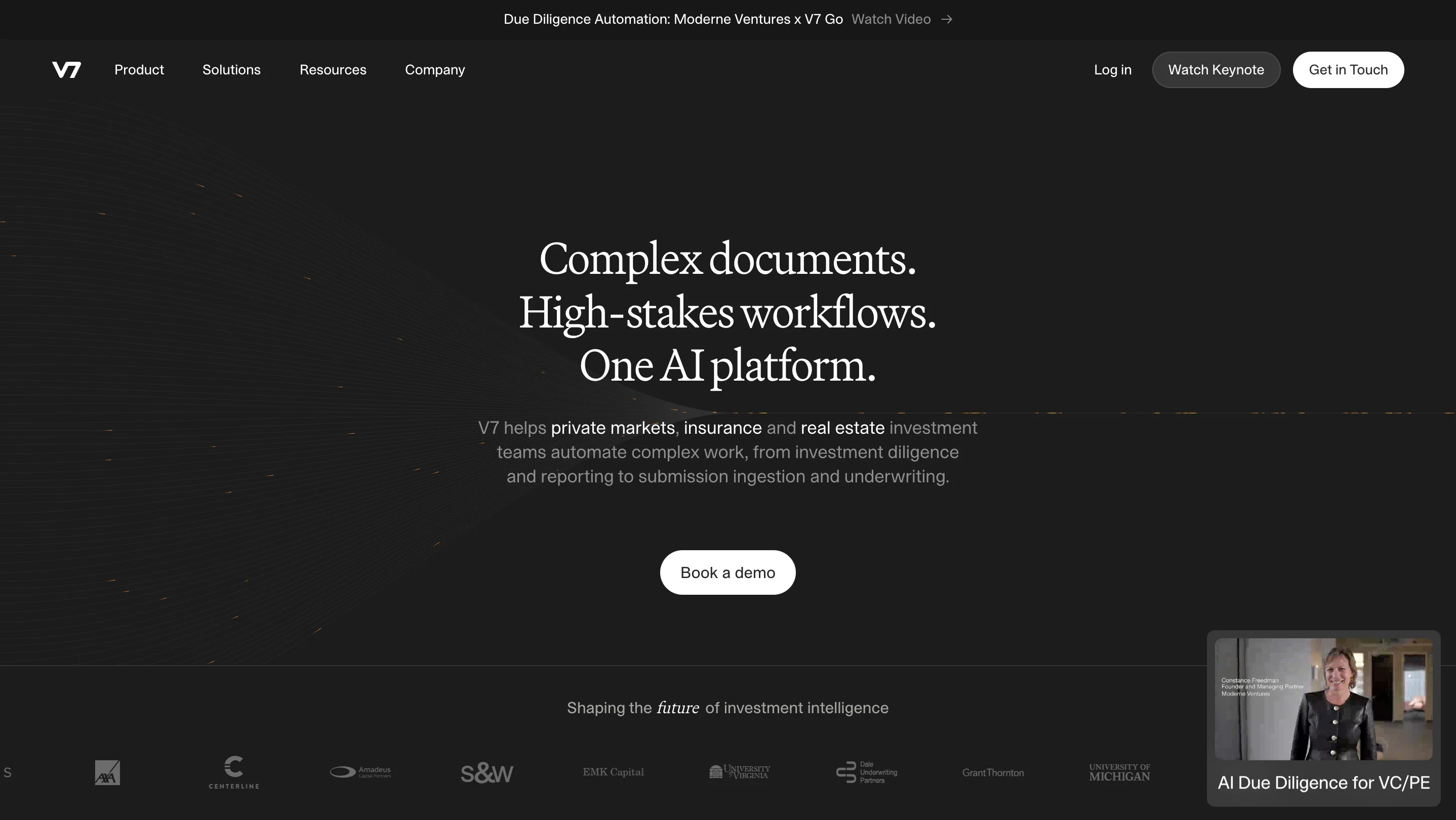
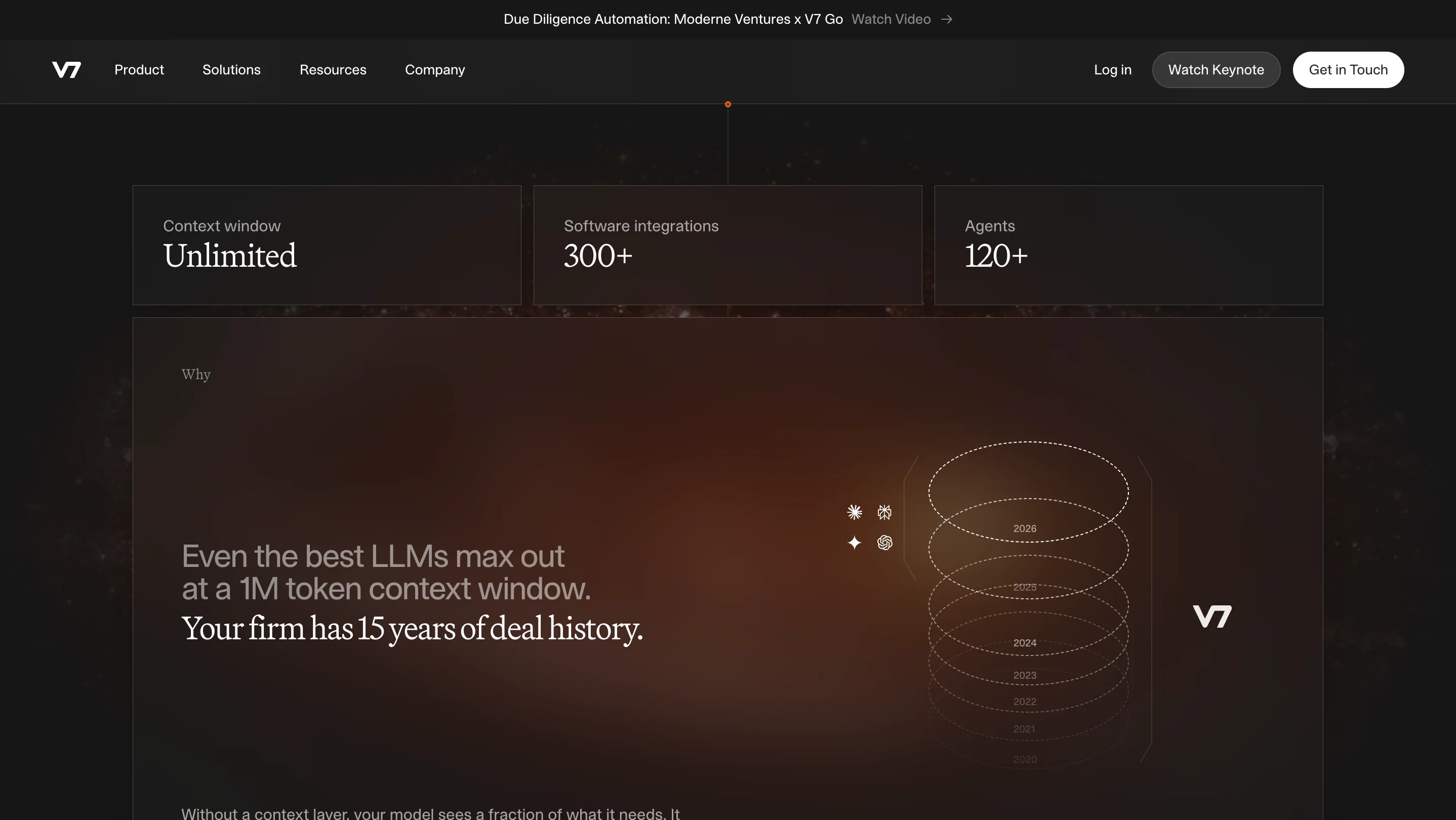

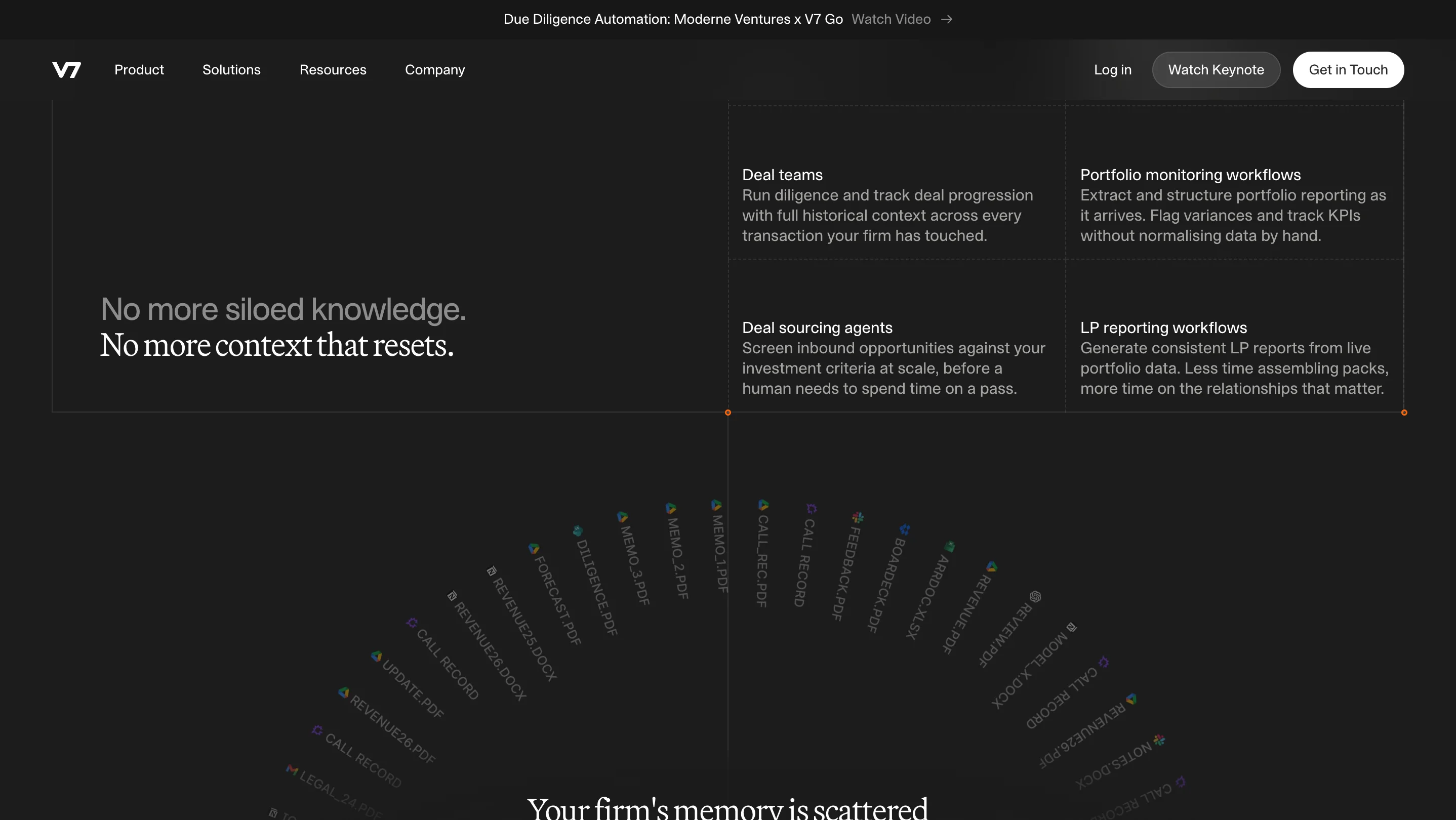

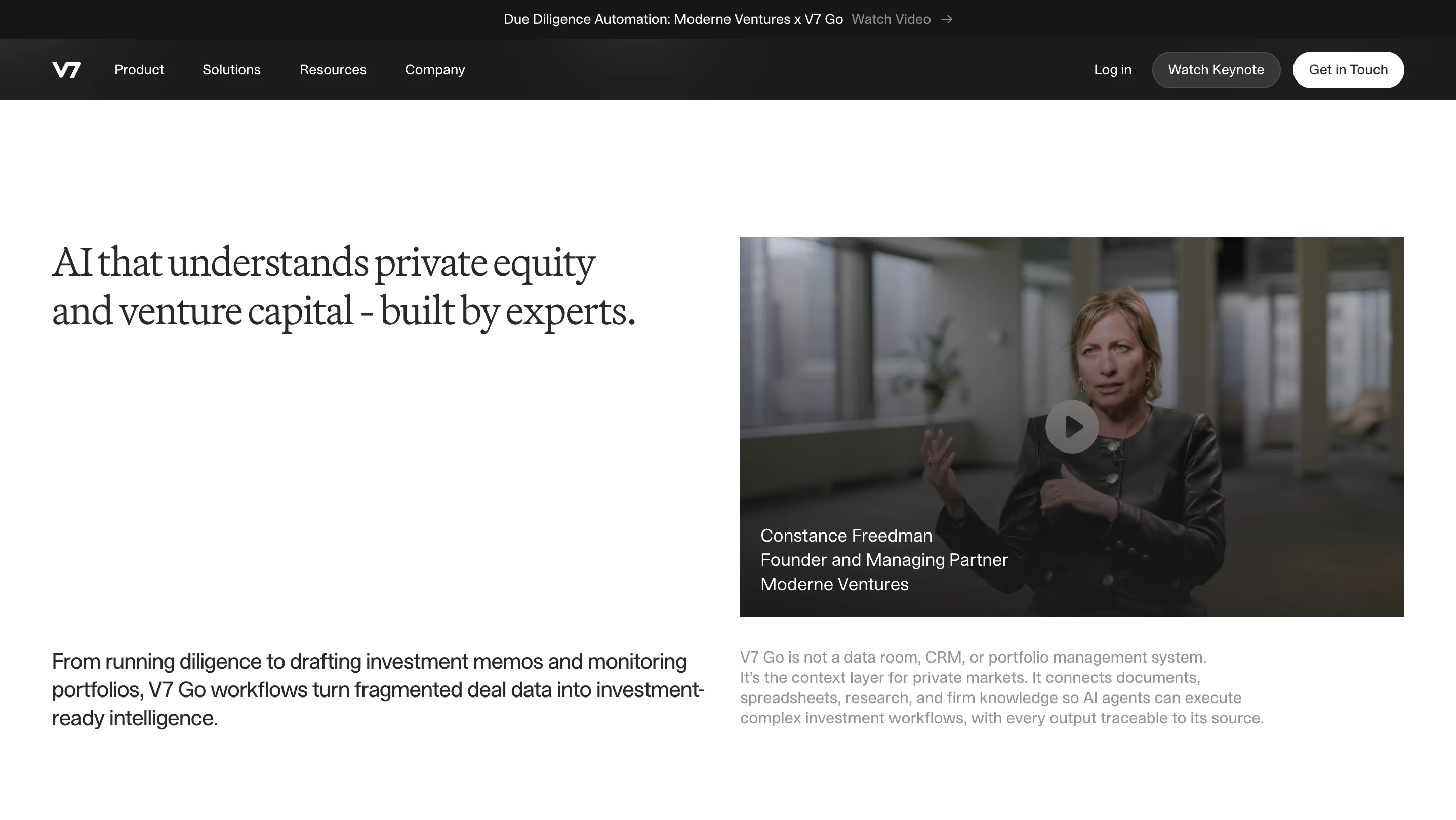
V7 Labs
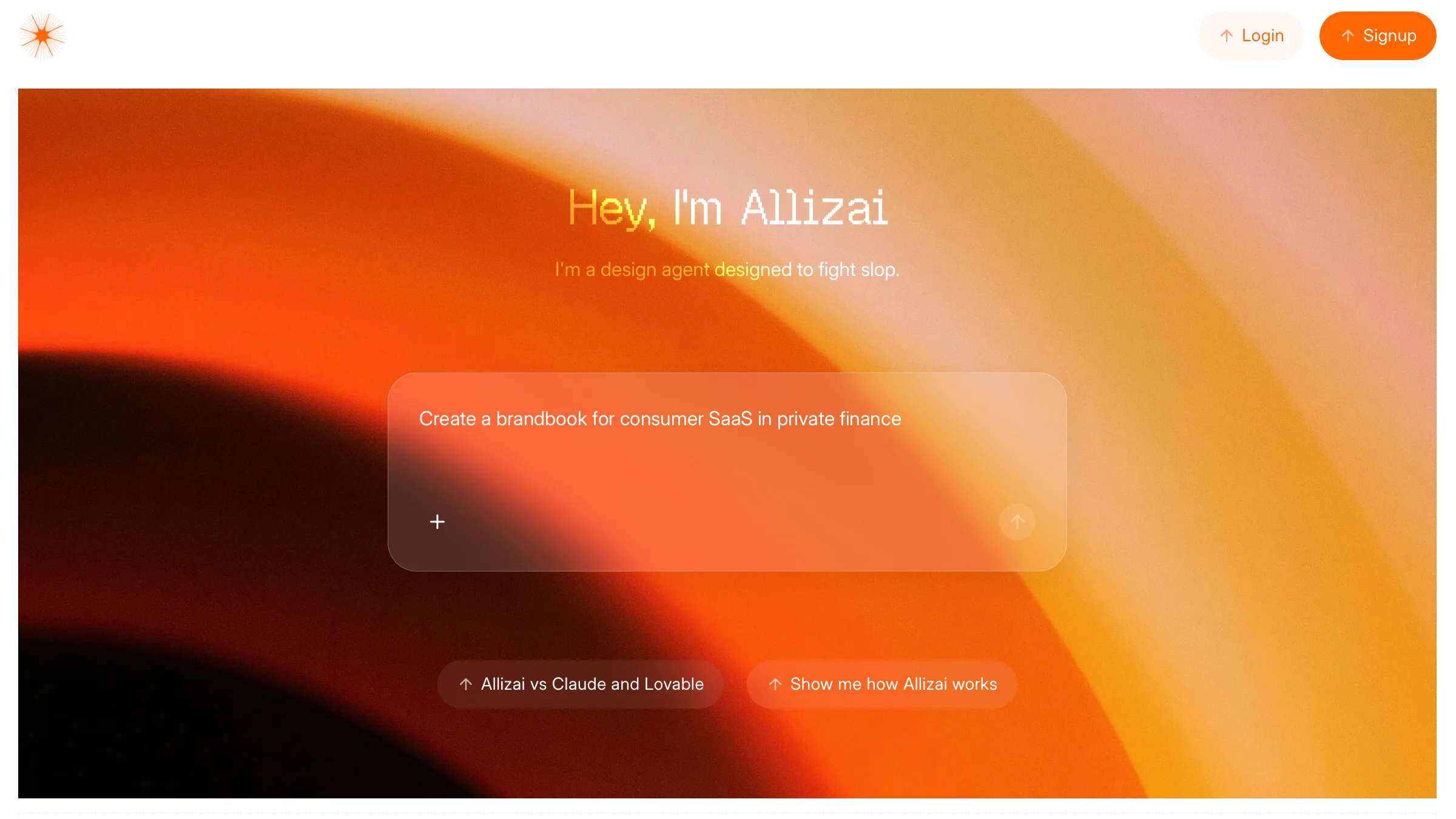
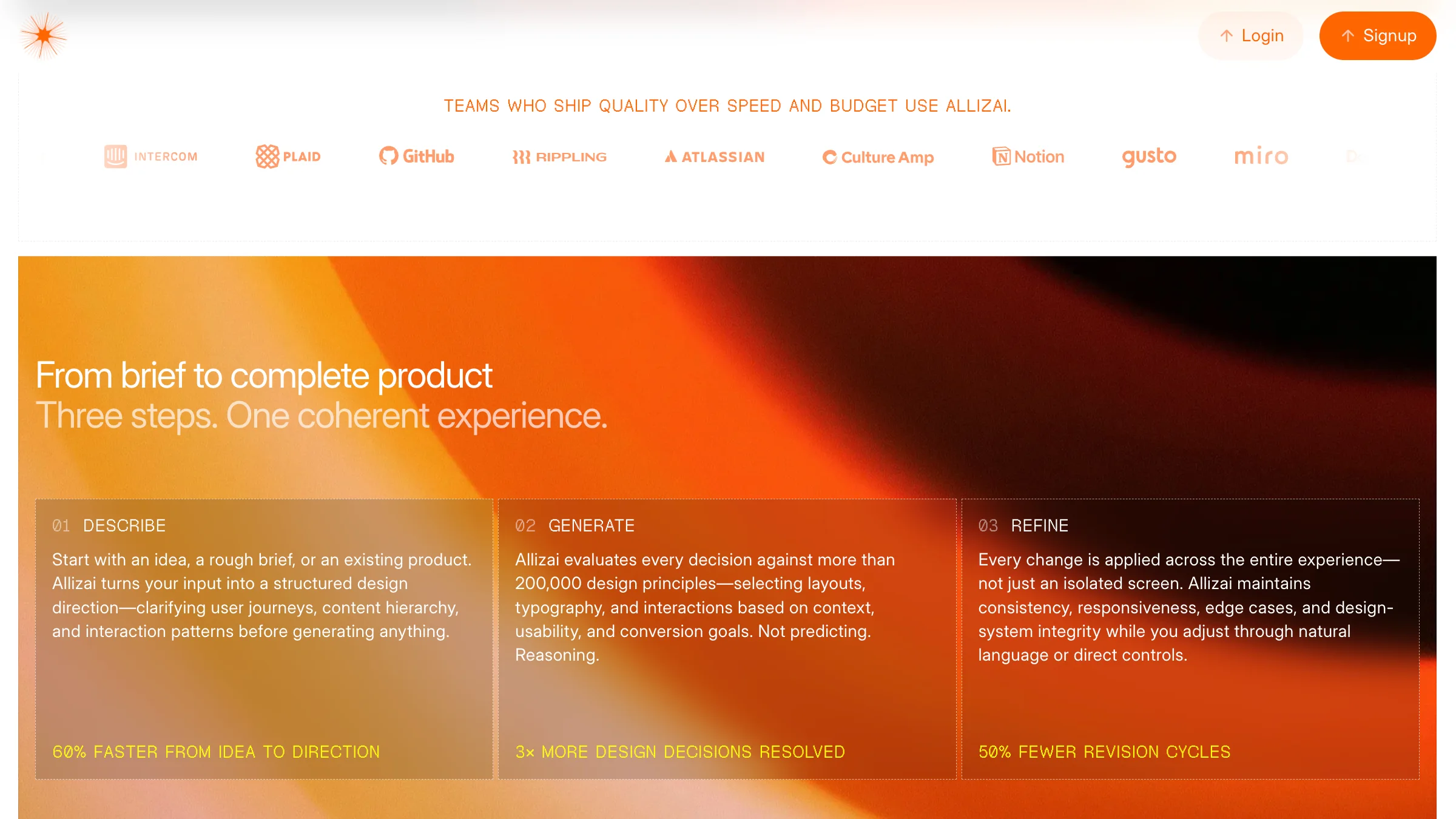

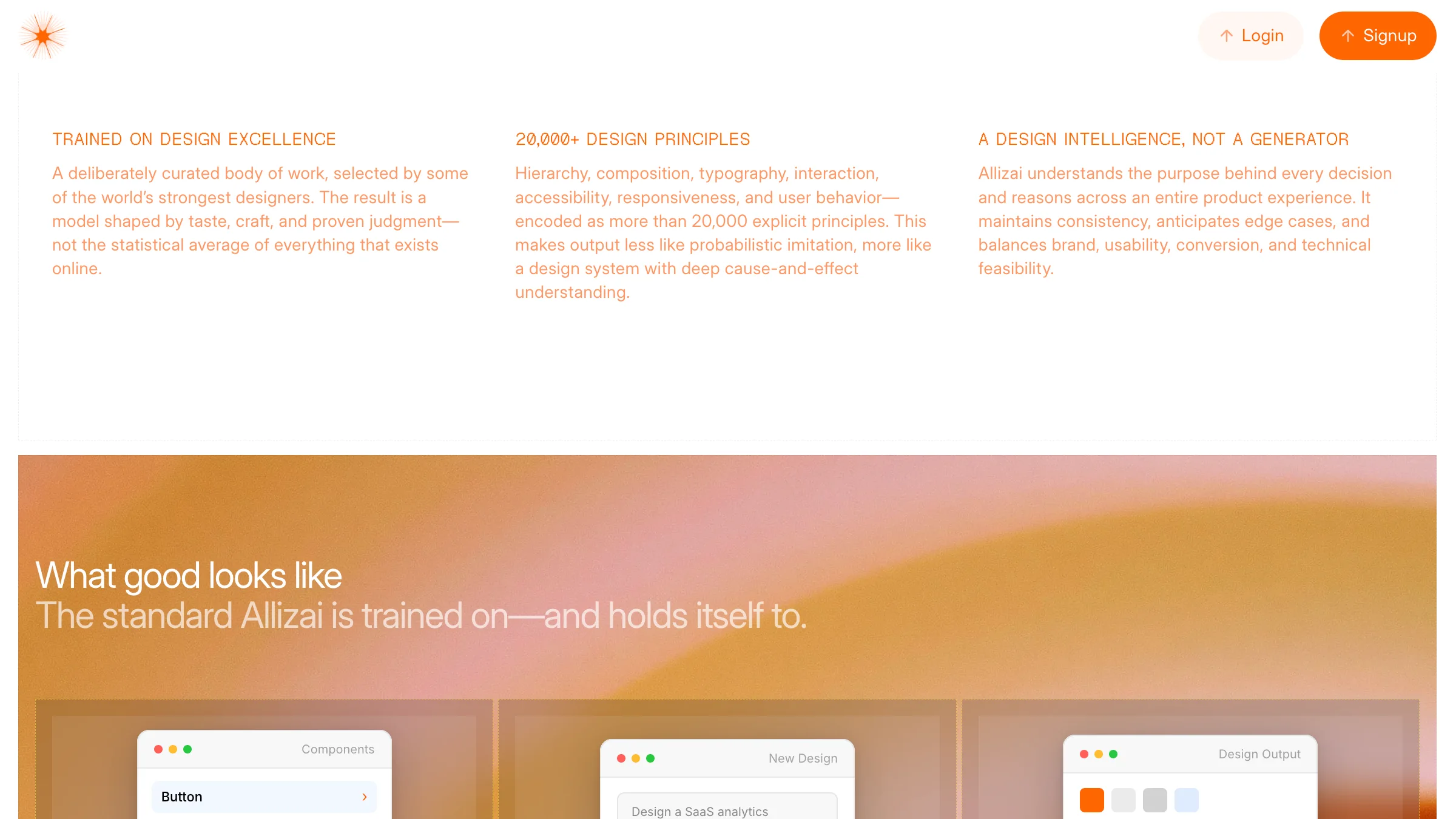

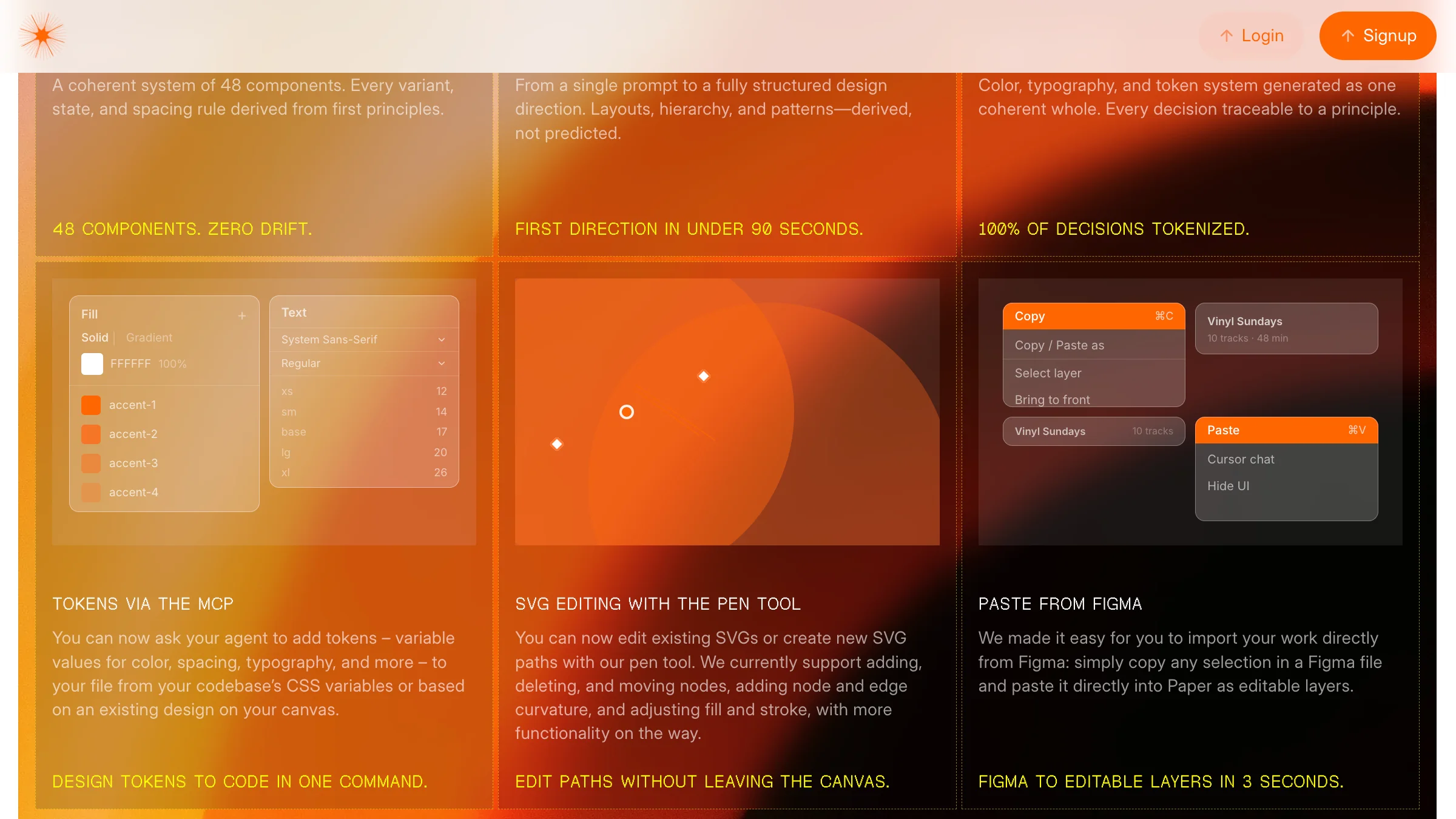
Allizai
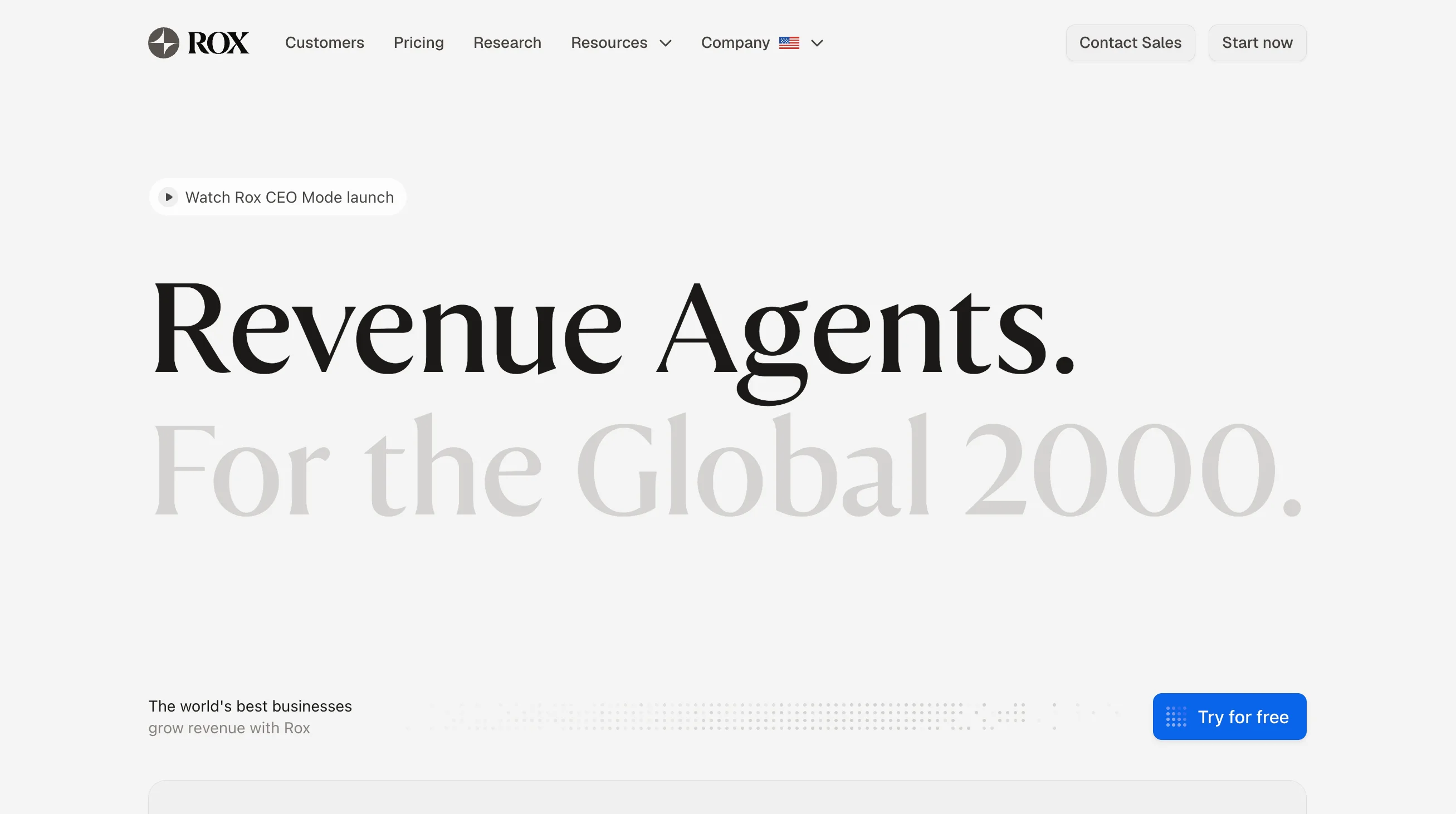

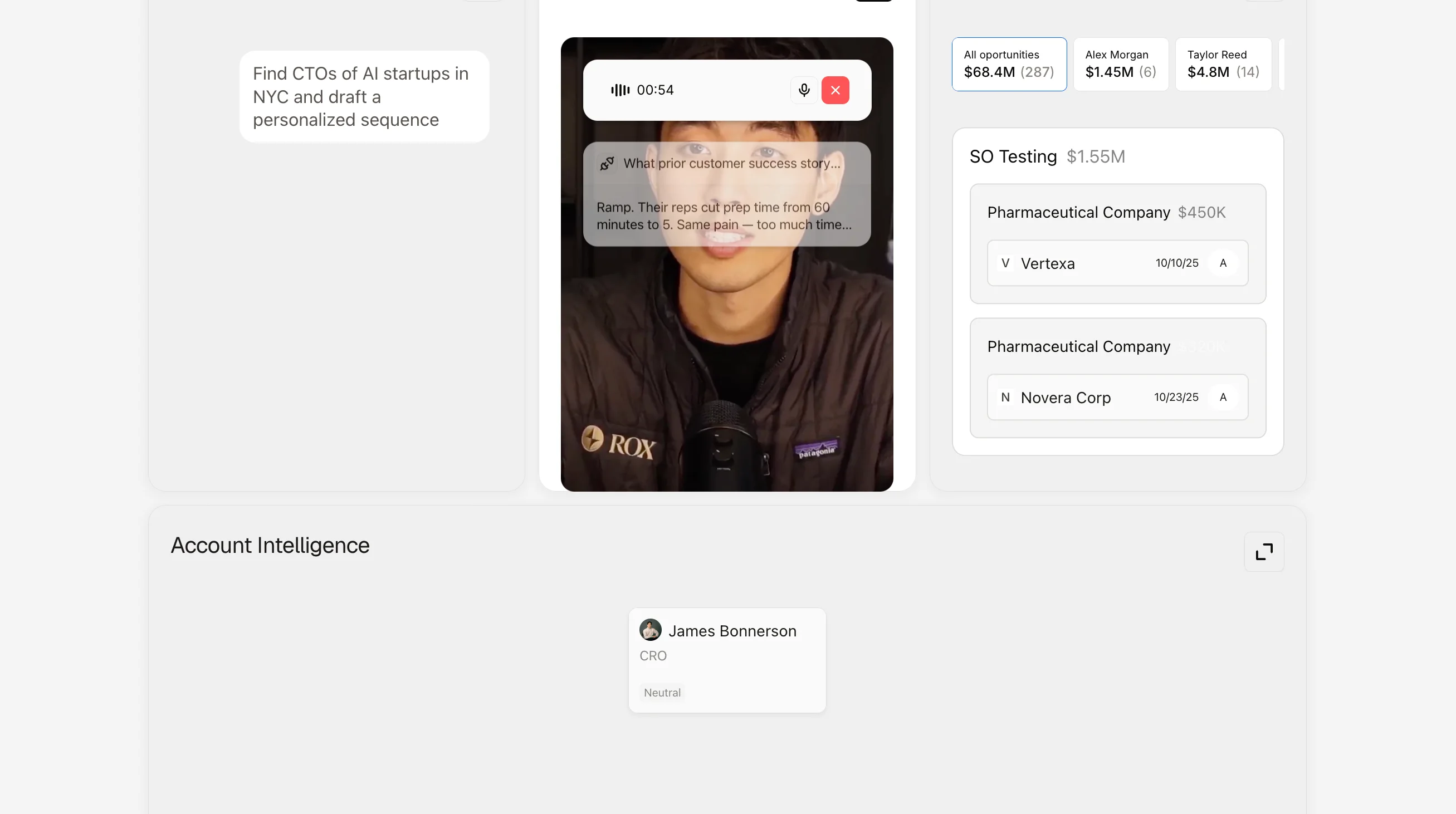
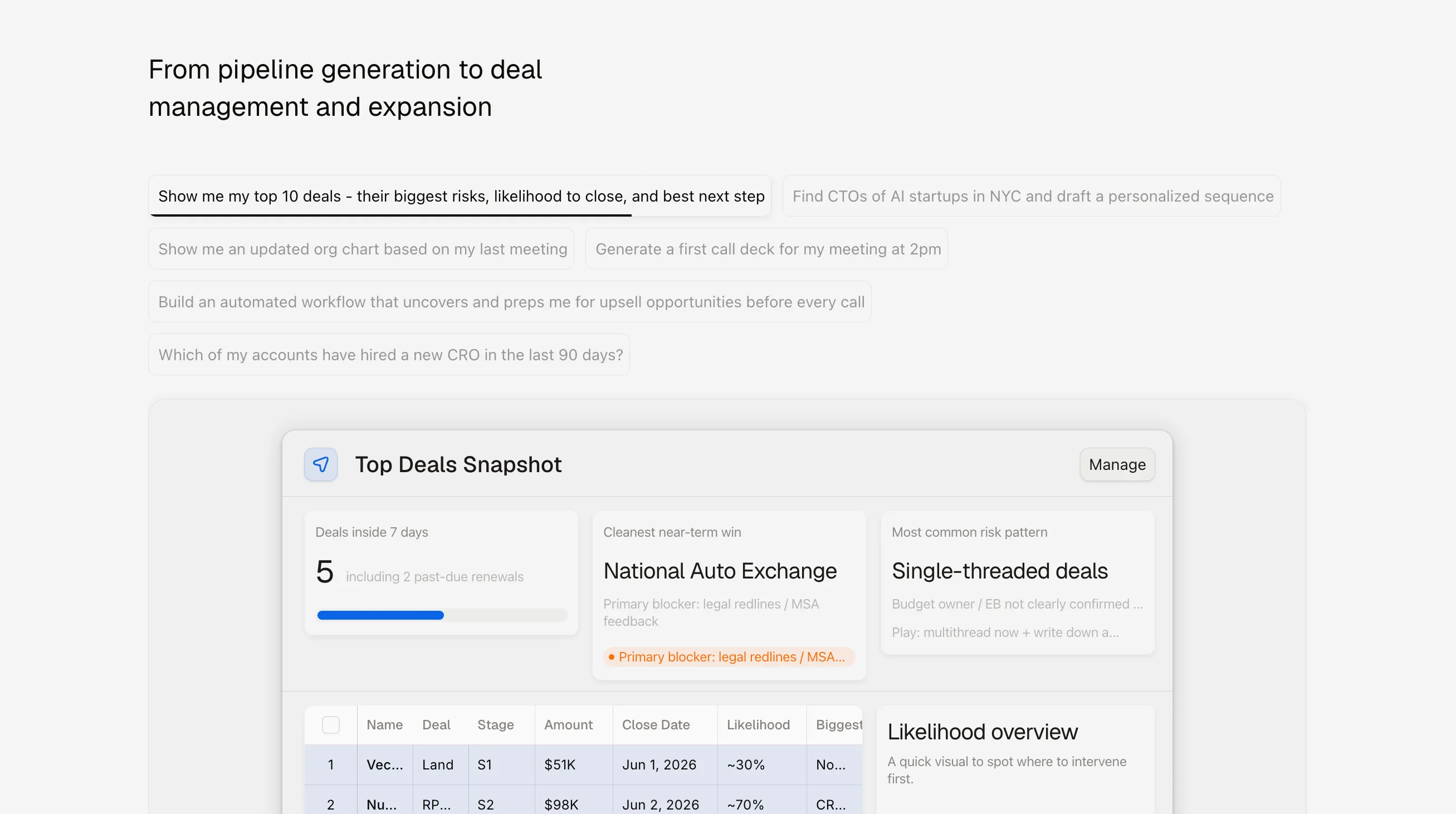

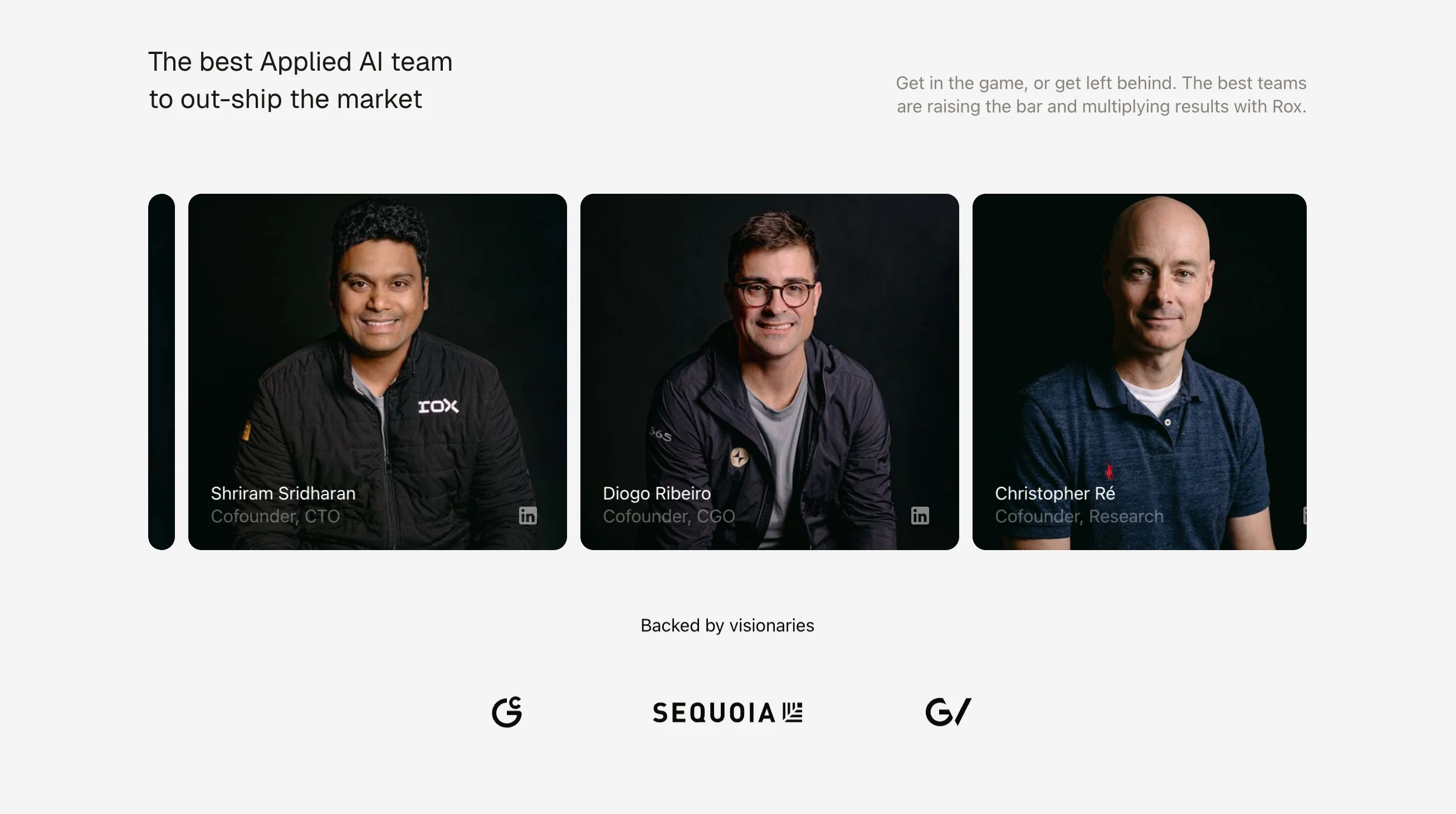
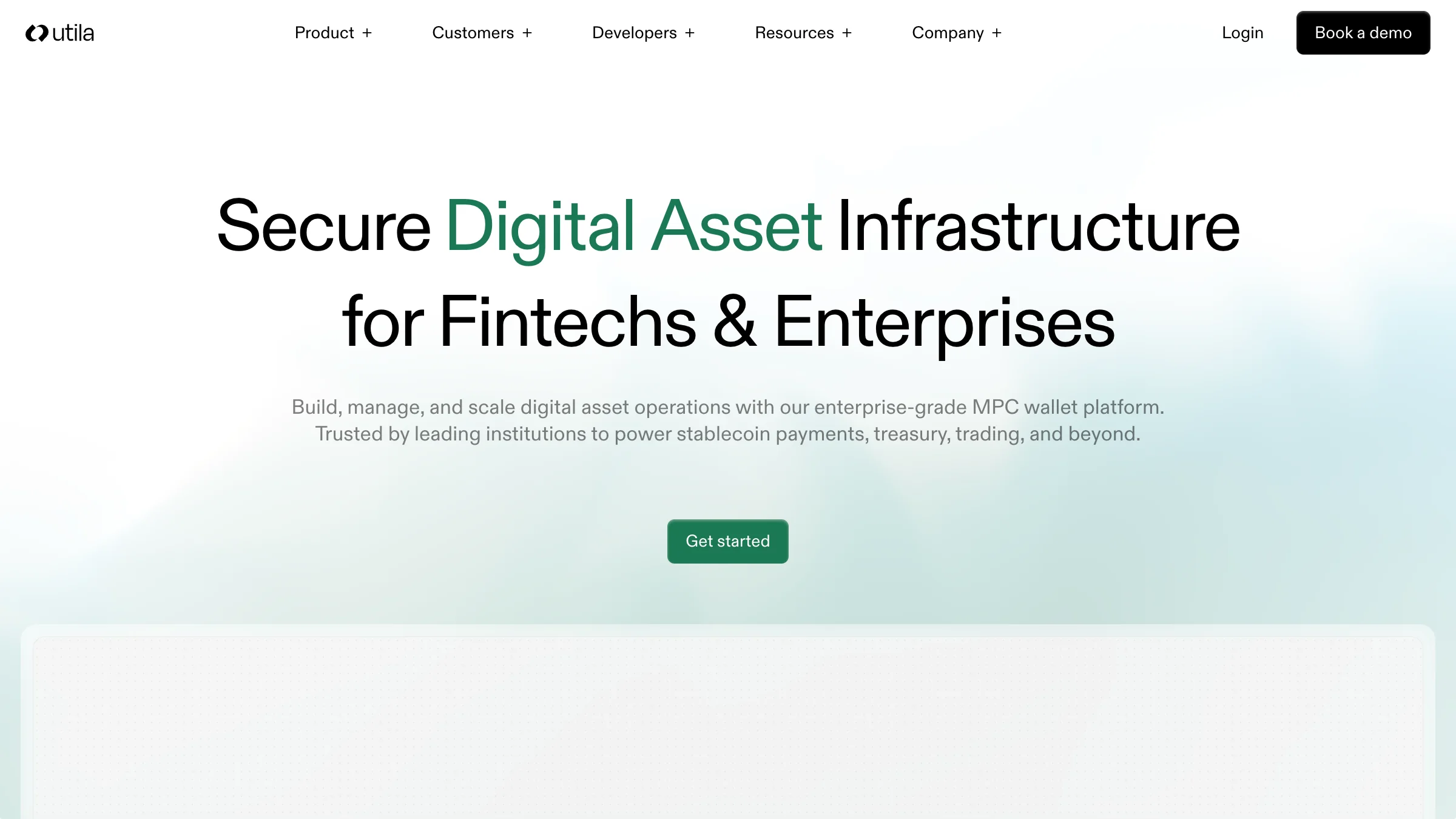
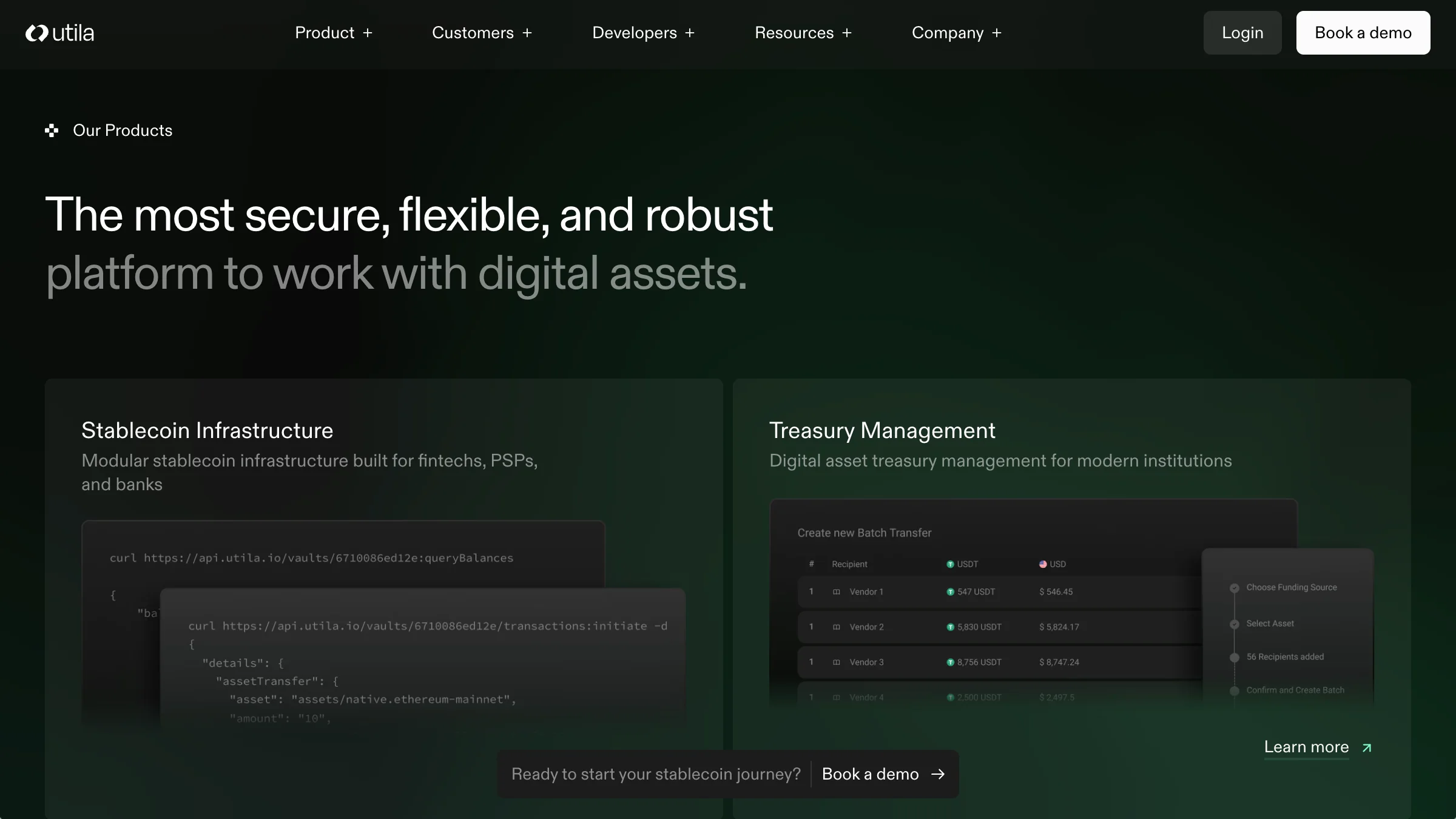
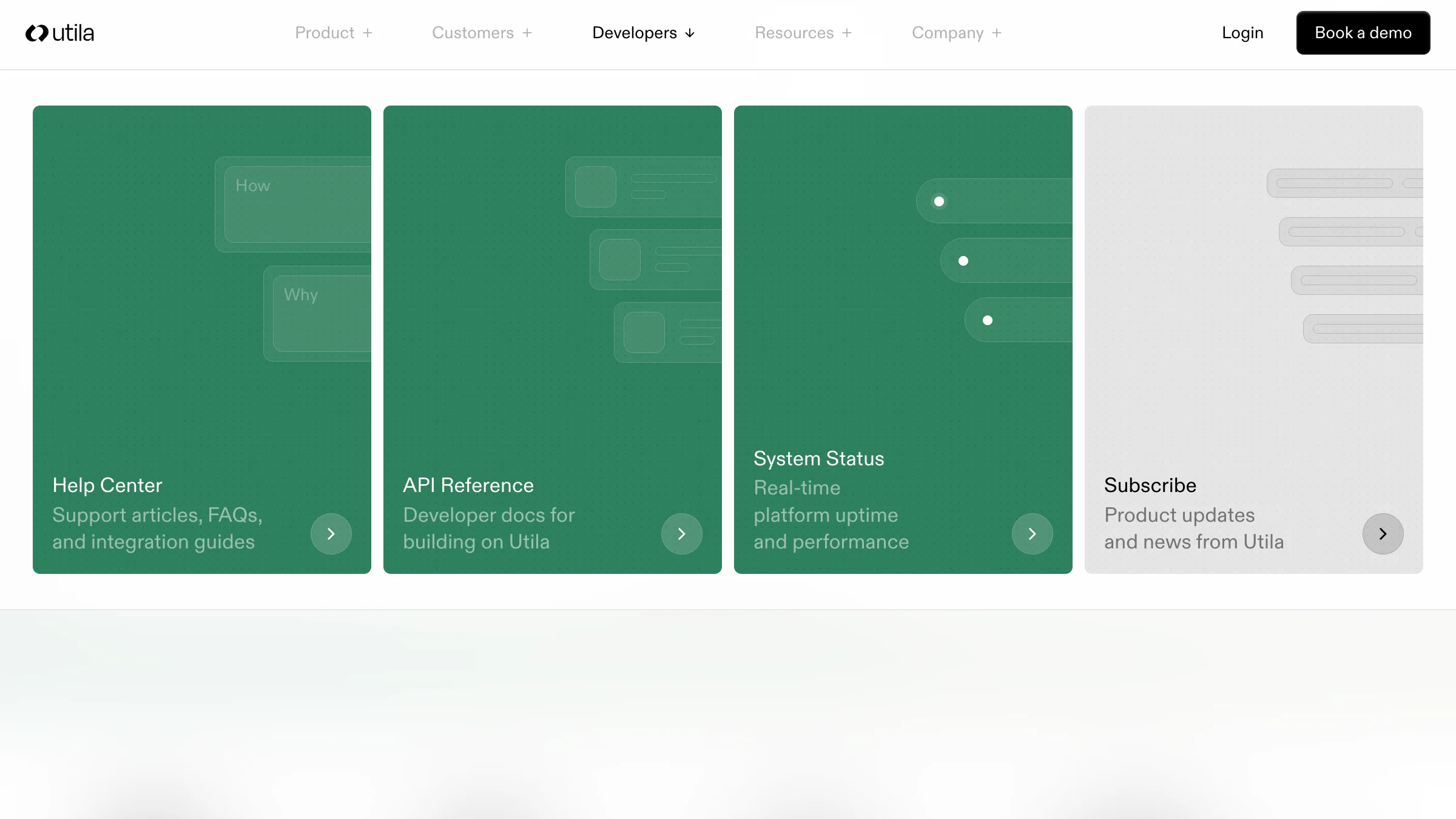
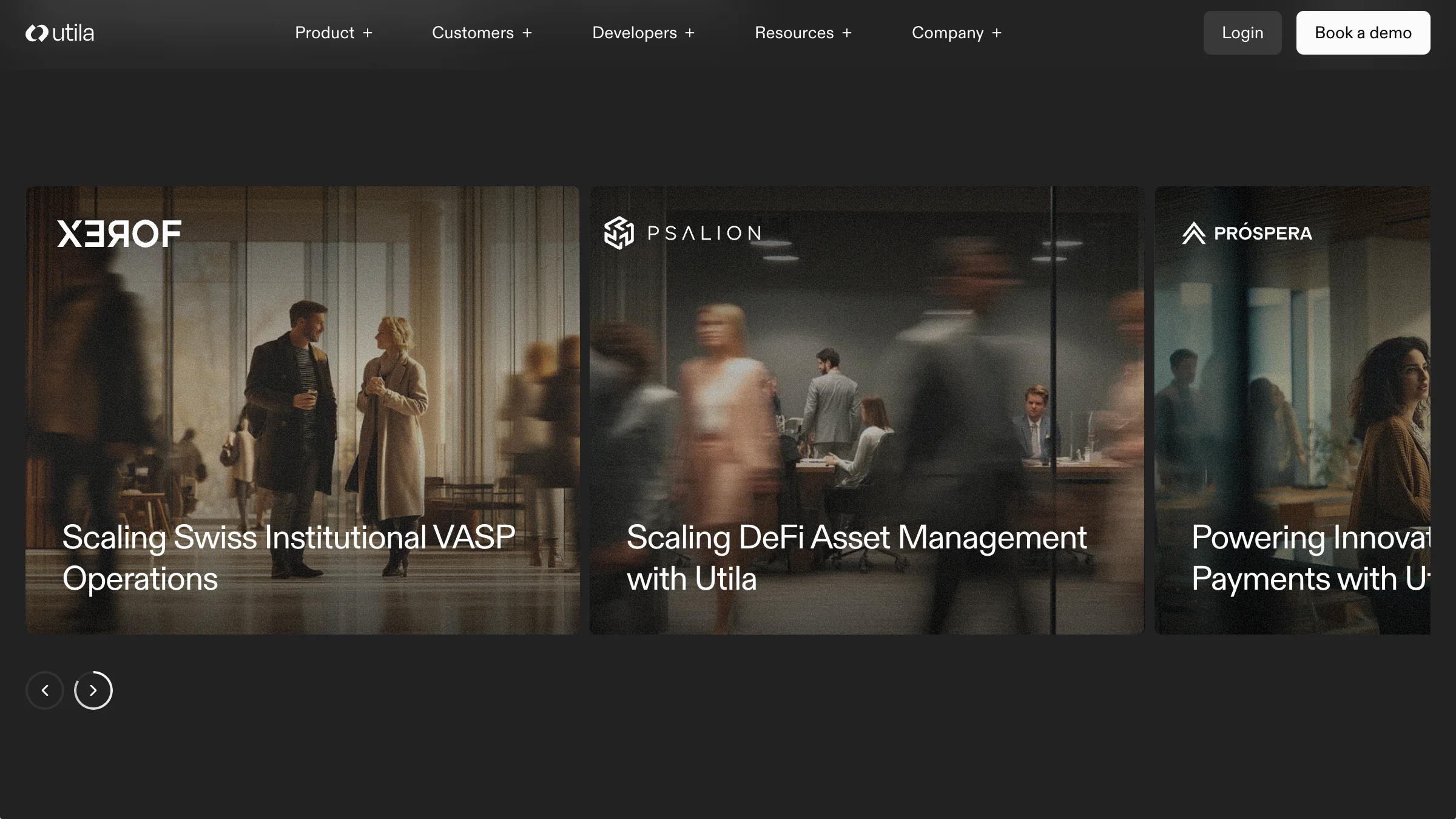
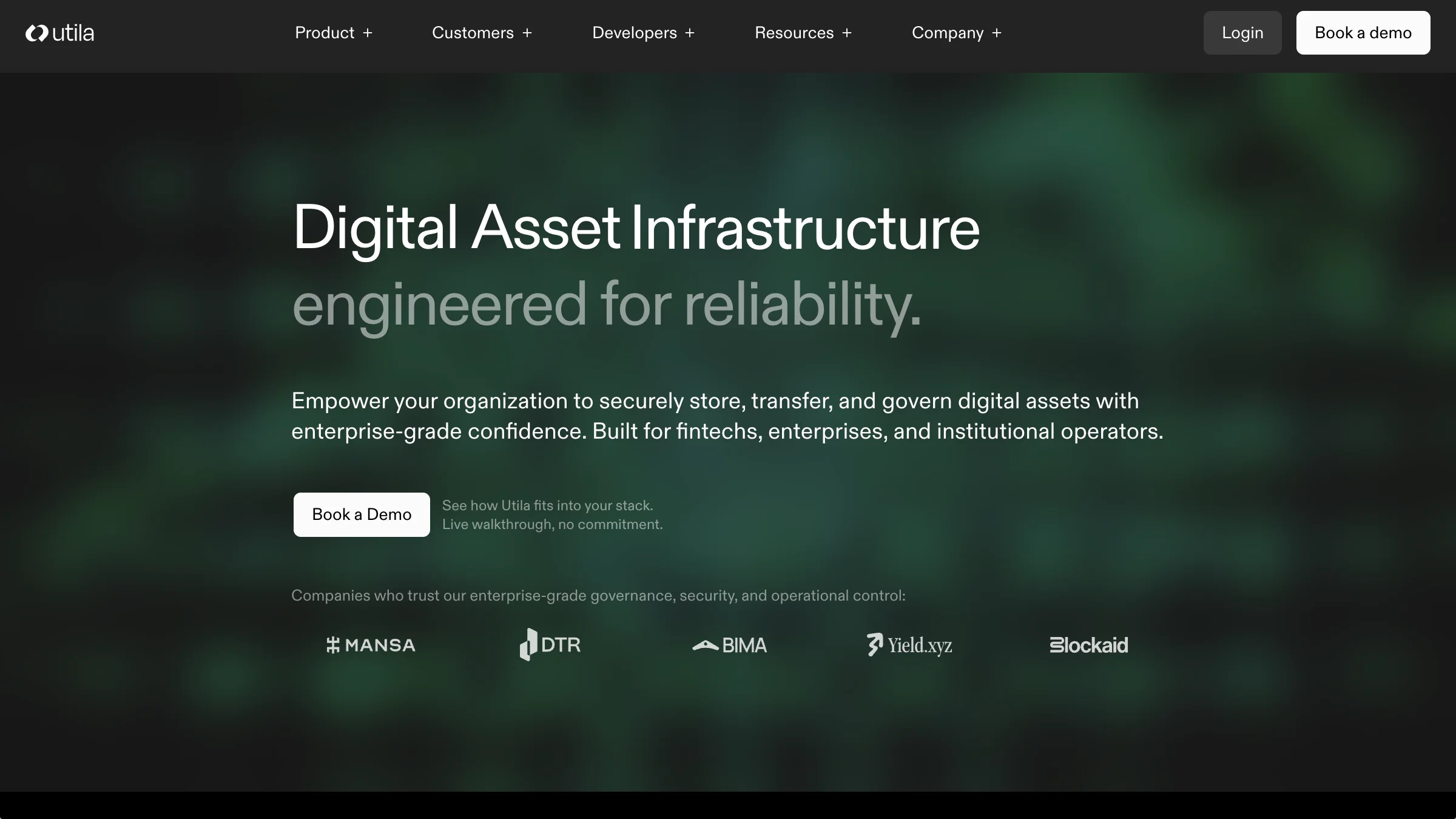
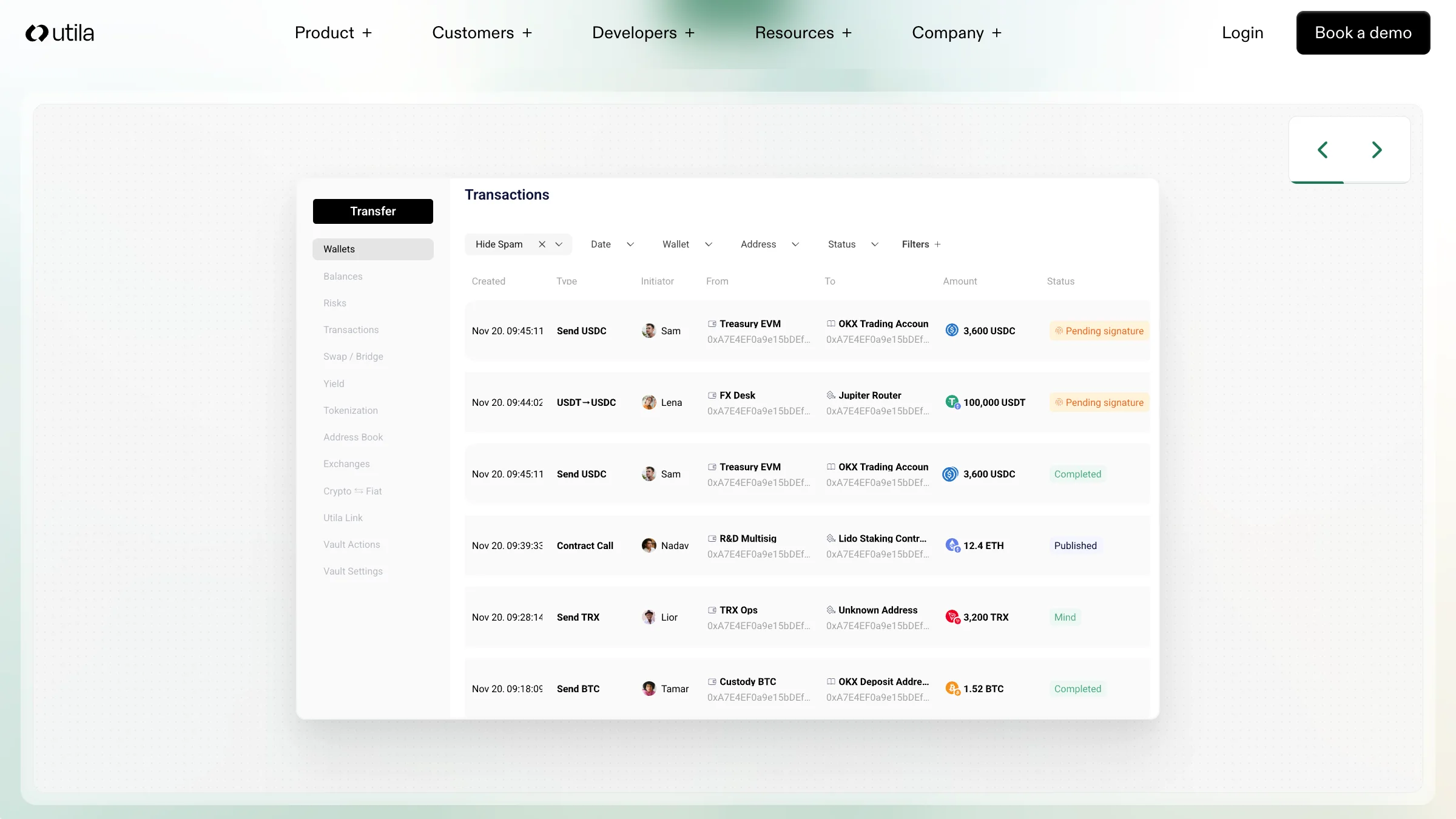
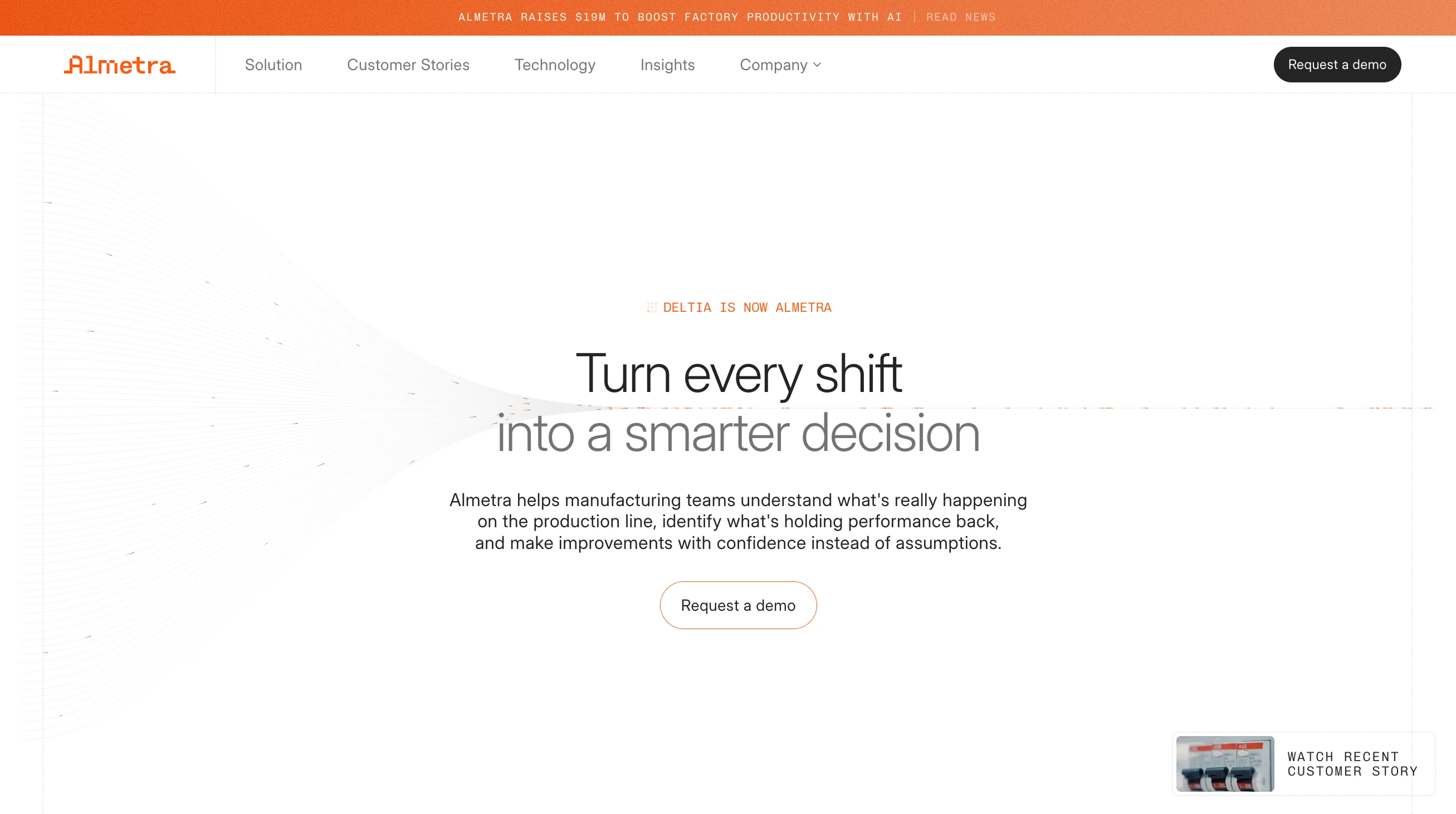
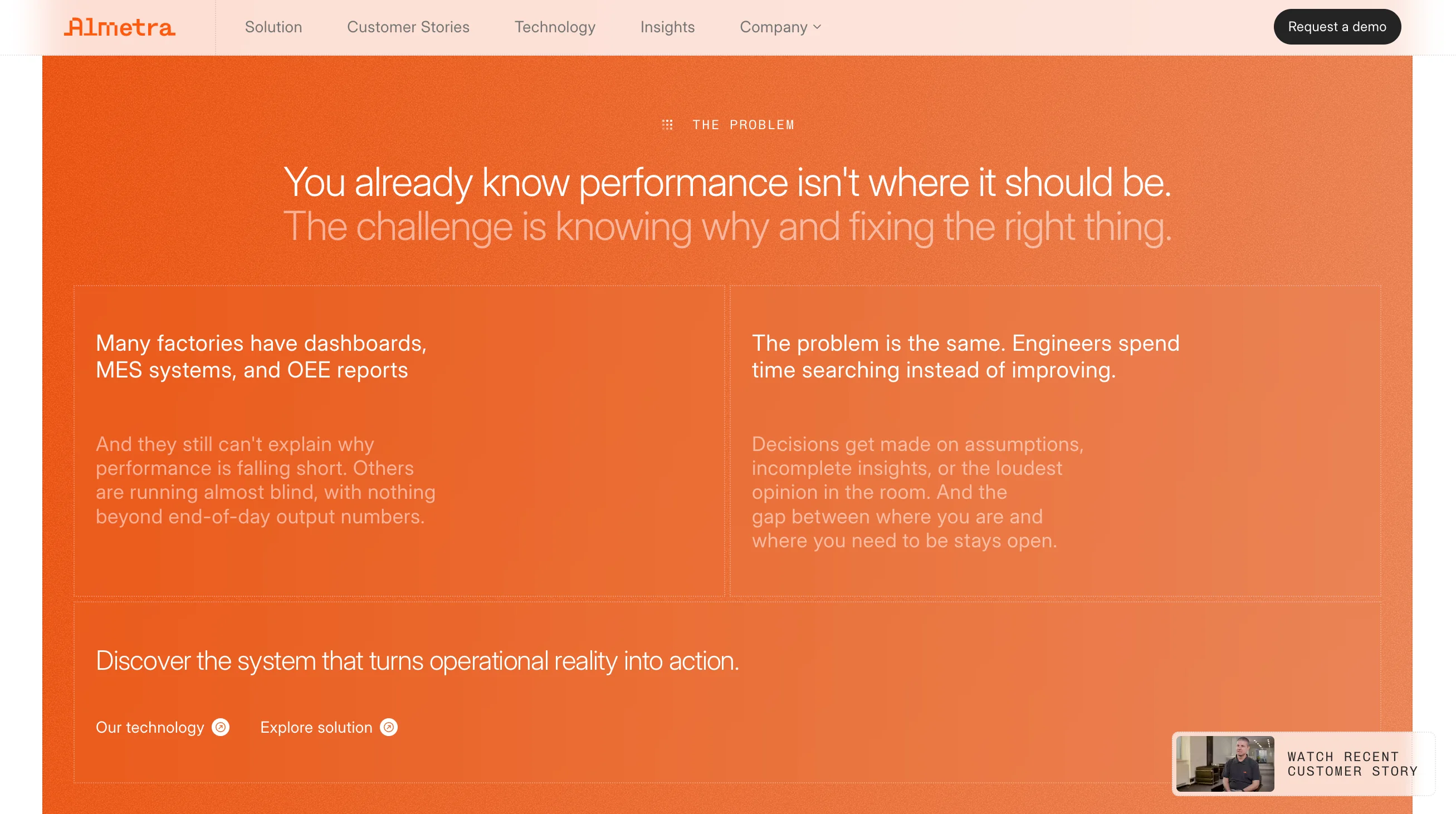
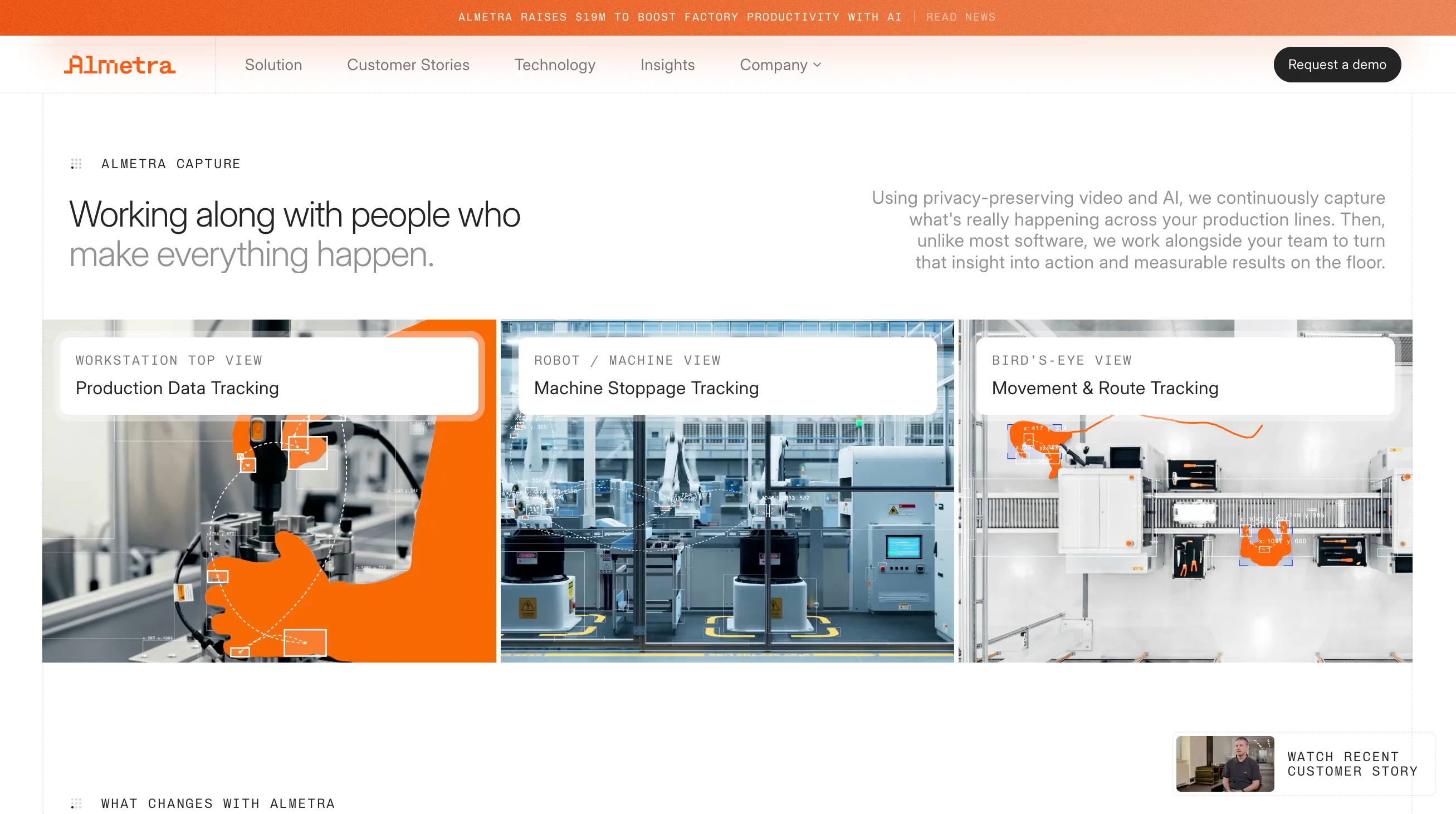
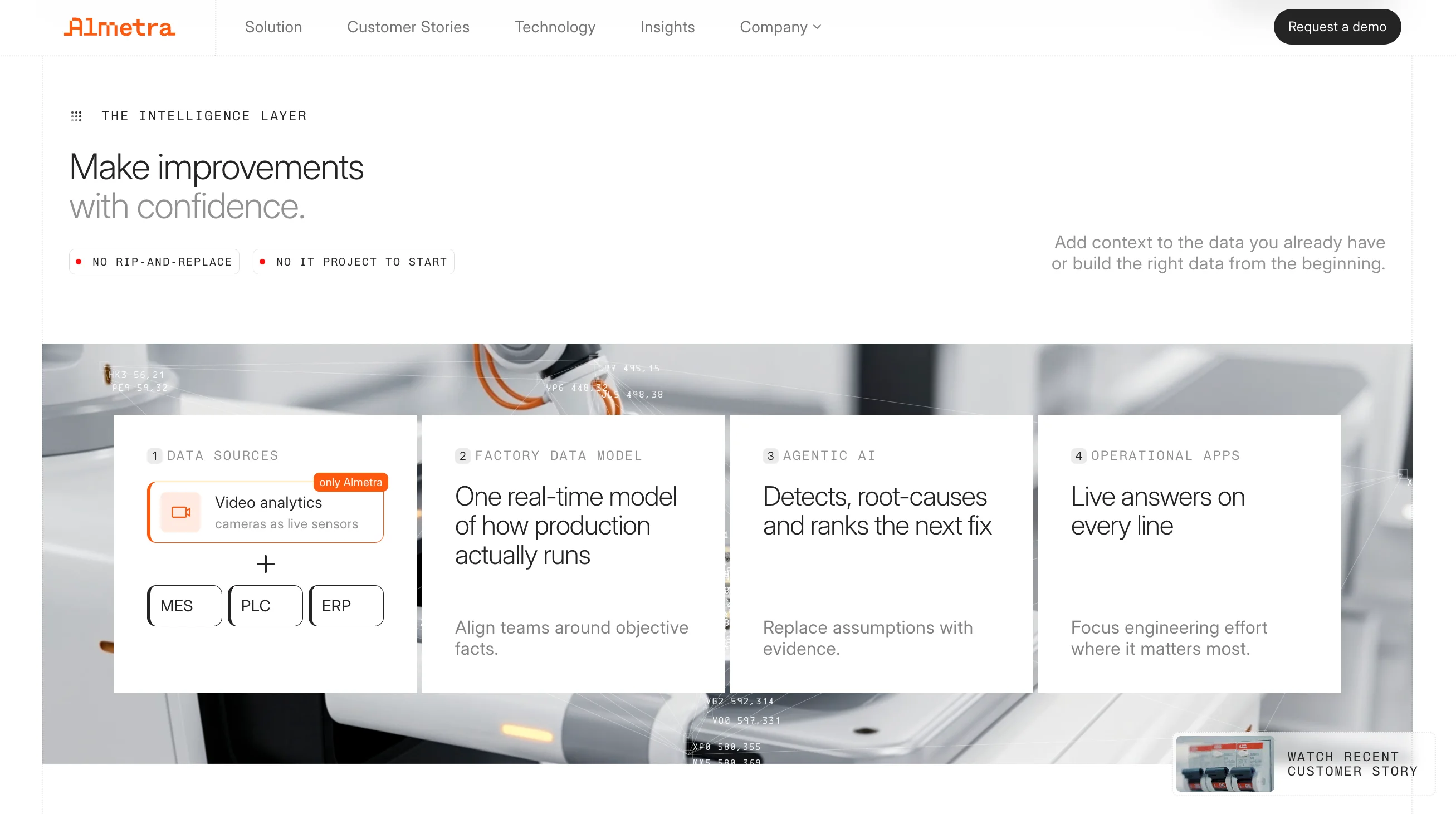
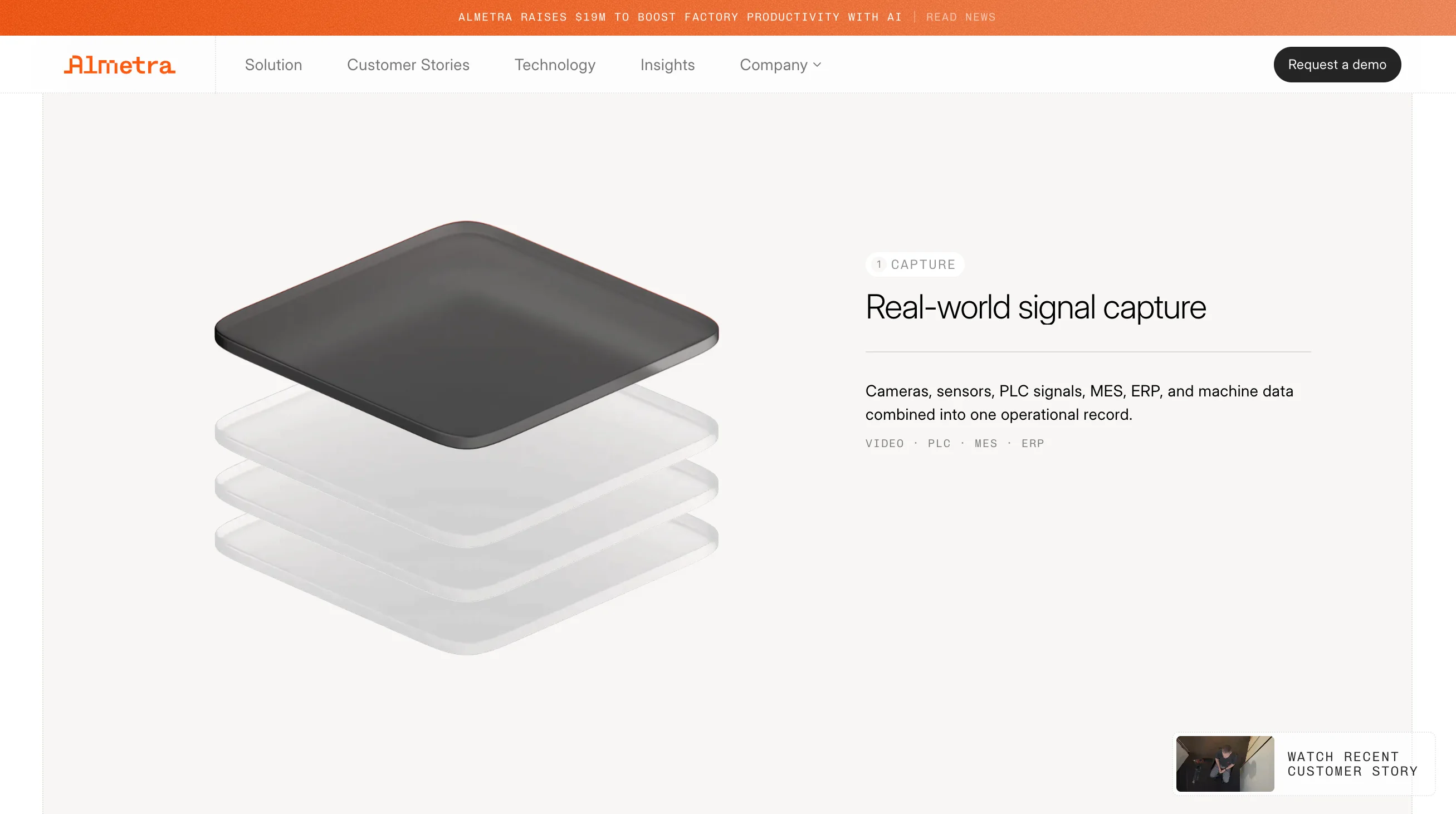
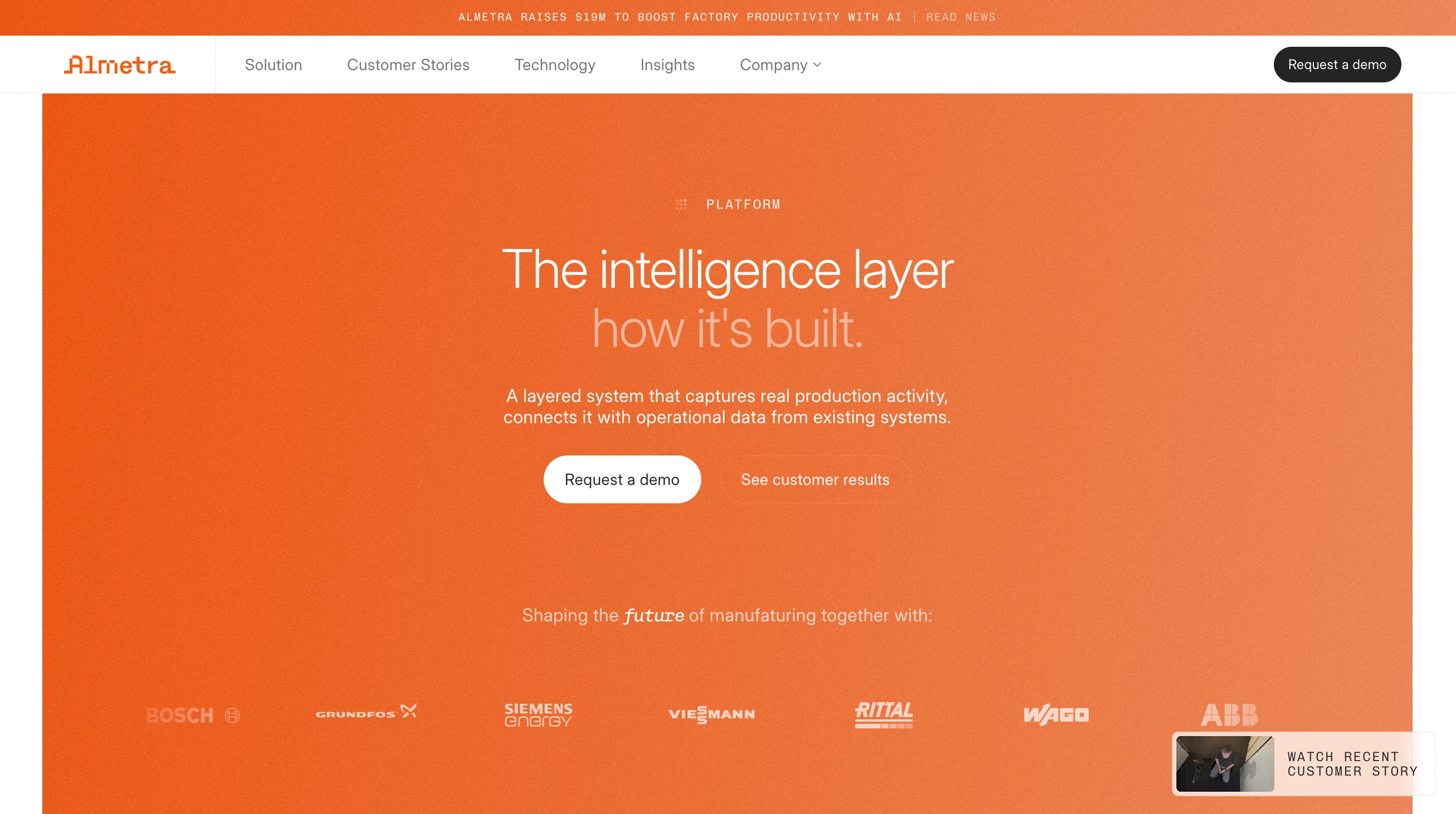
Almetra
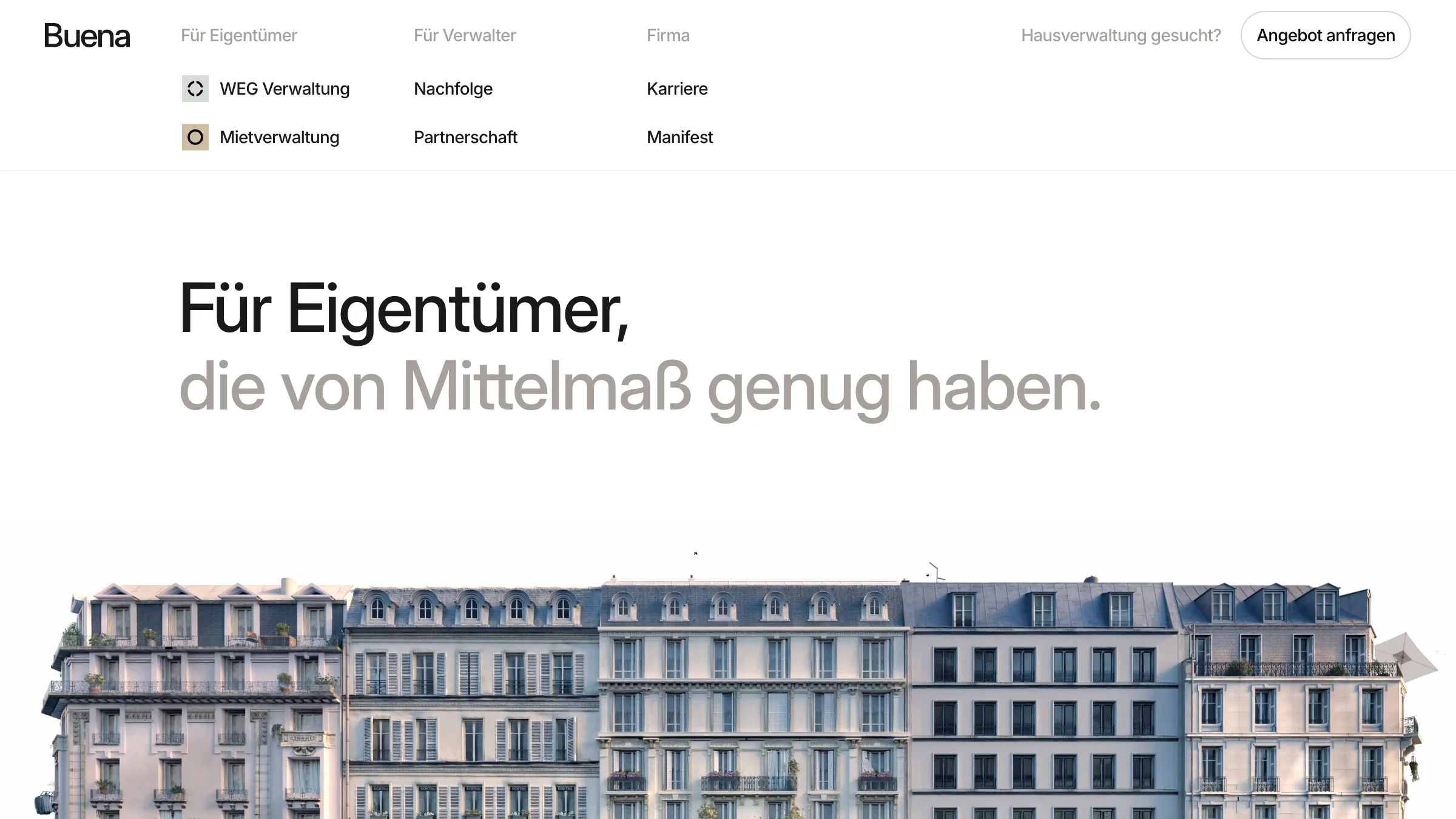
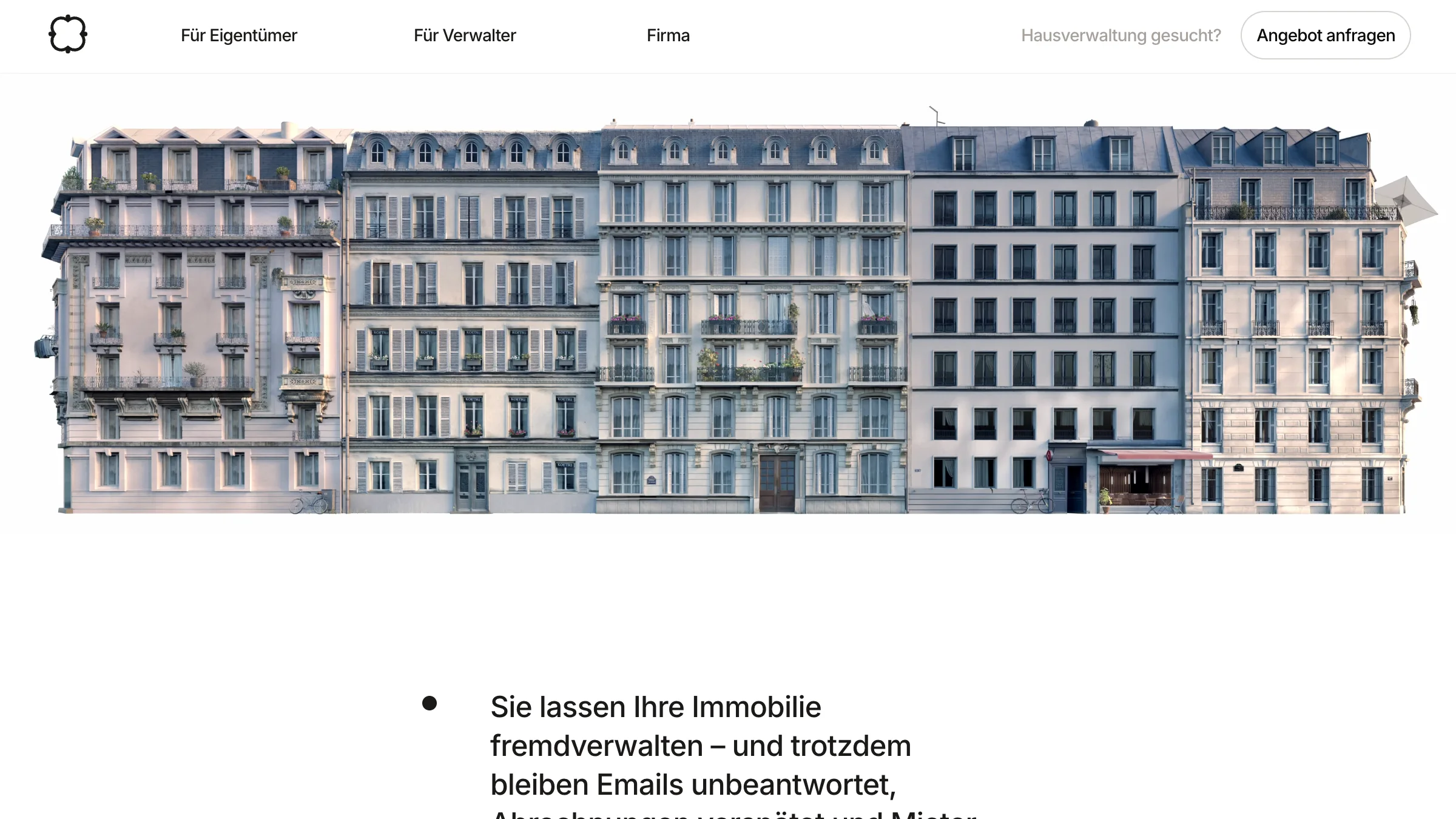
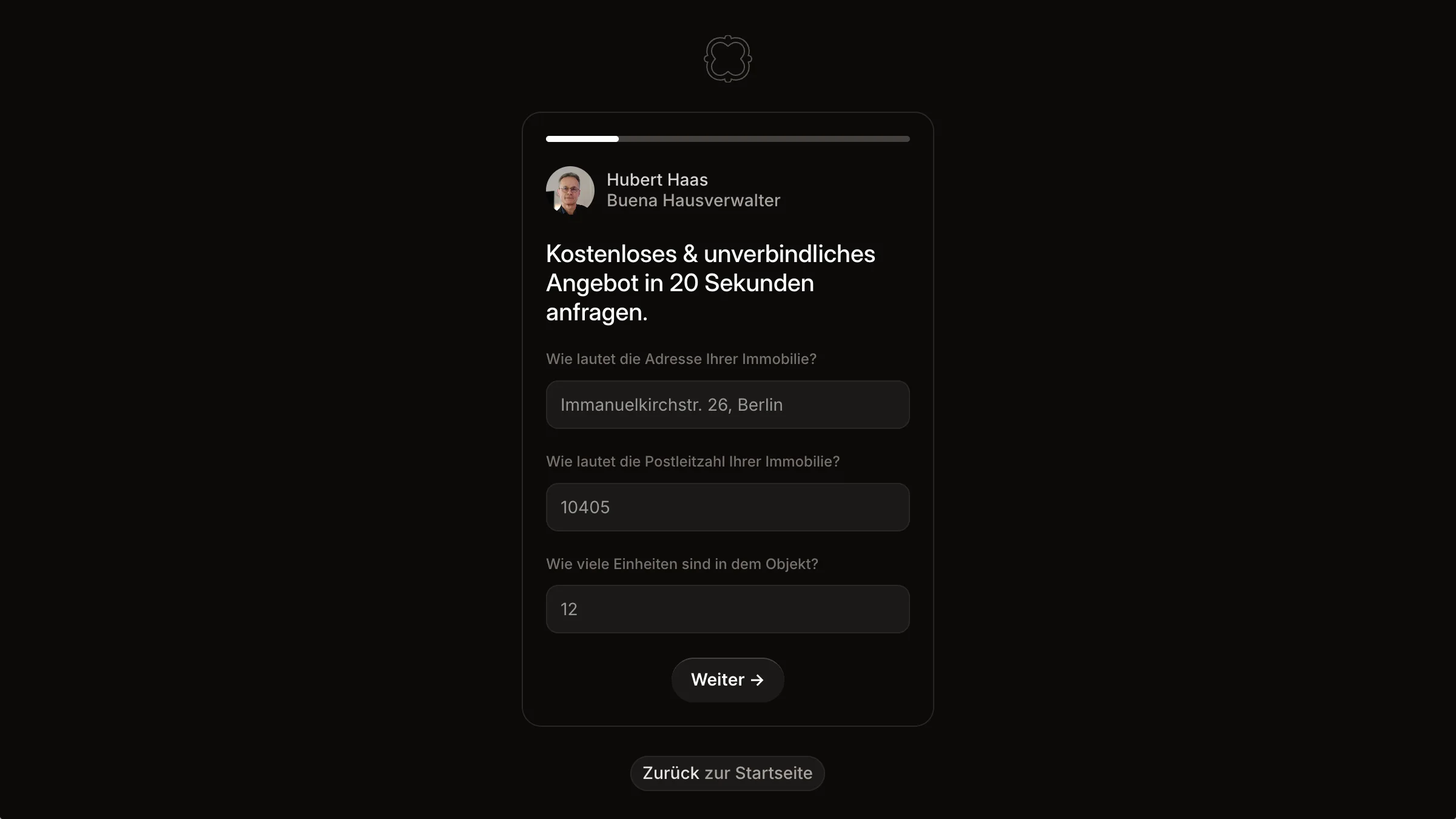


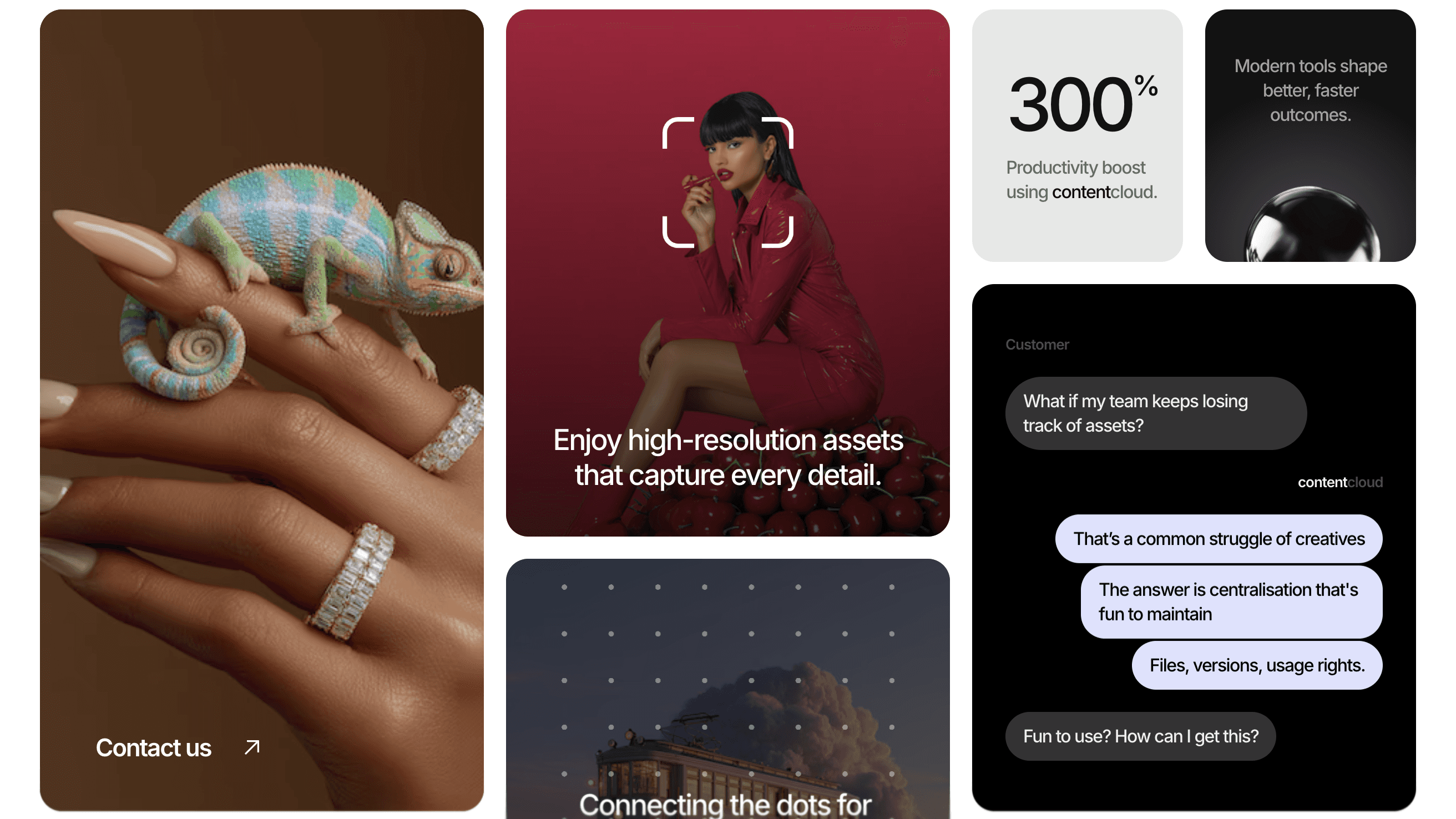

Contentcloud

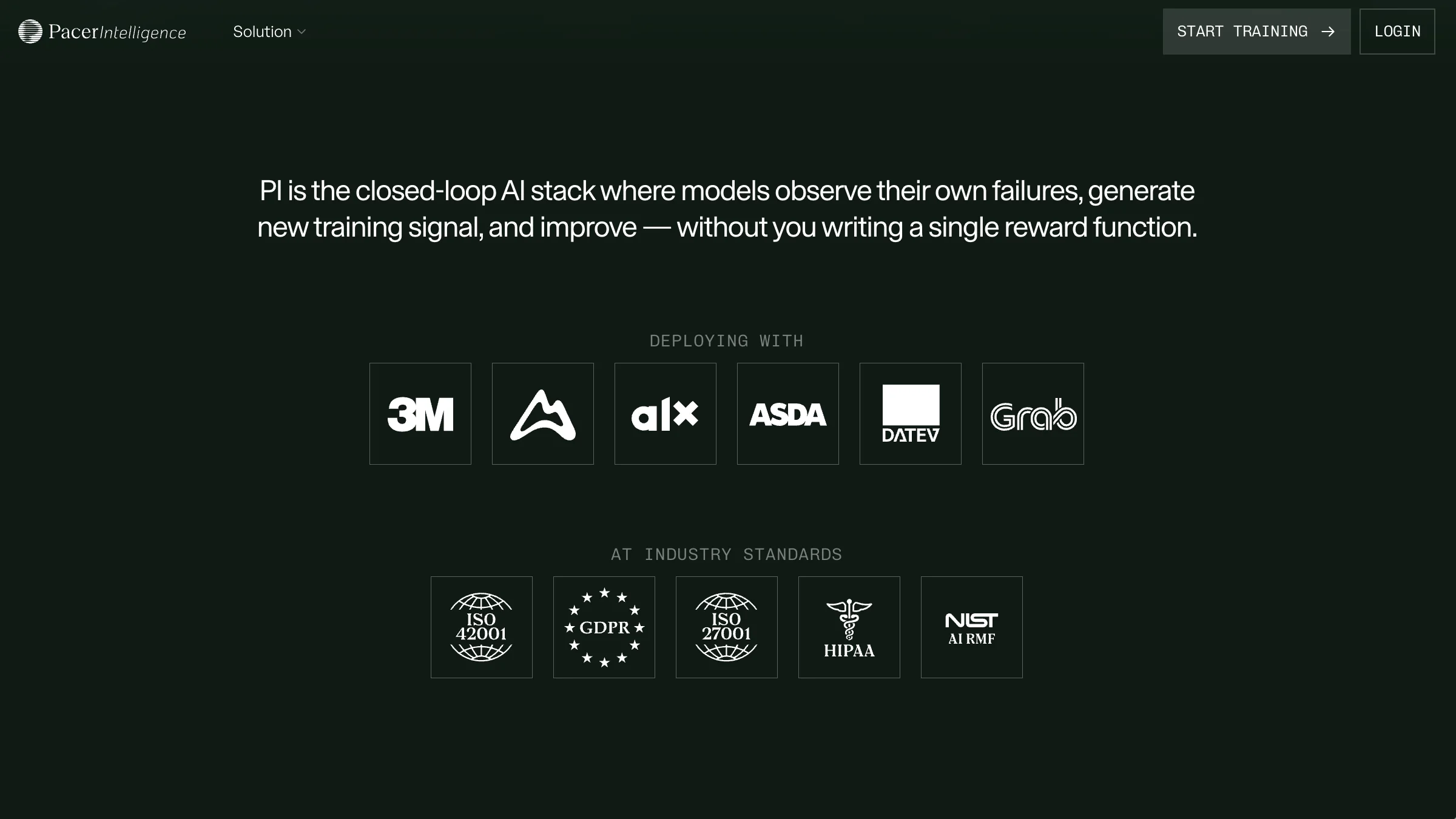
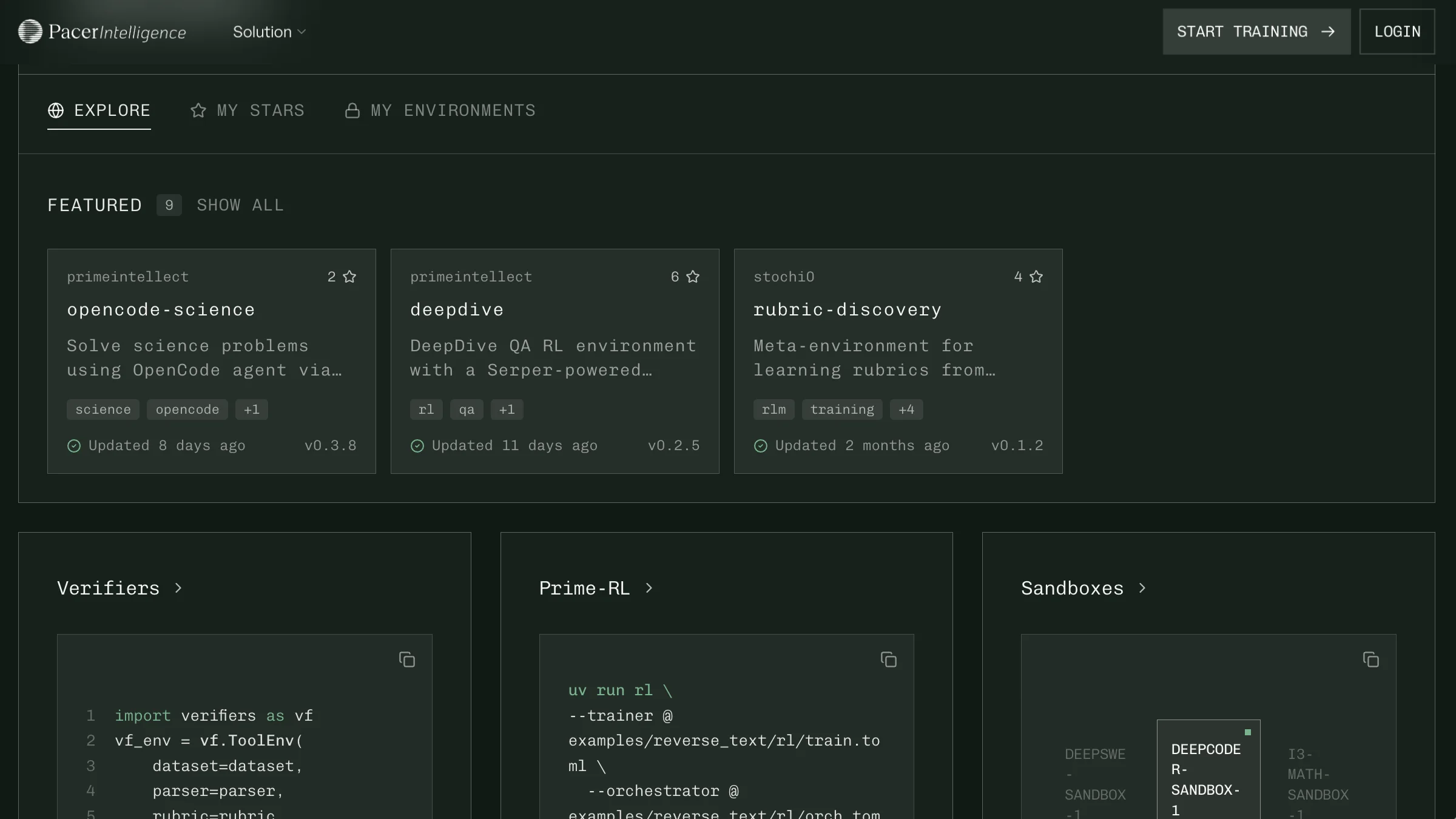
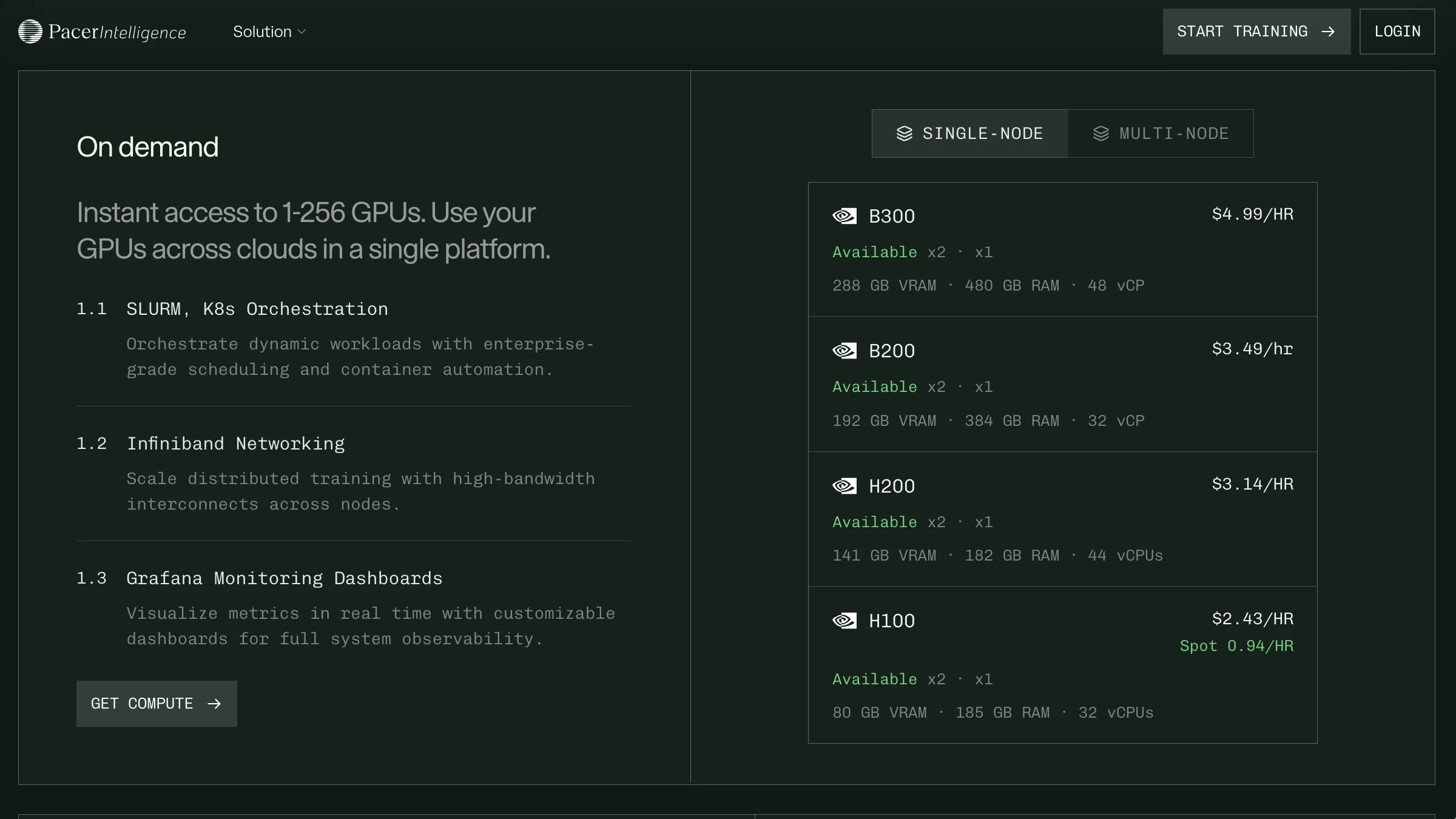
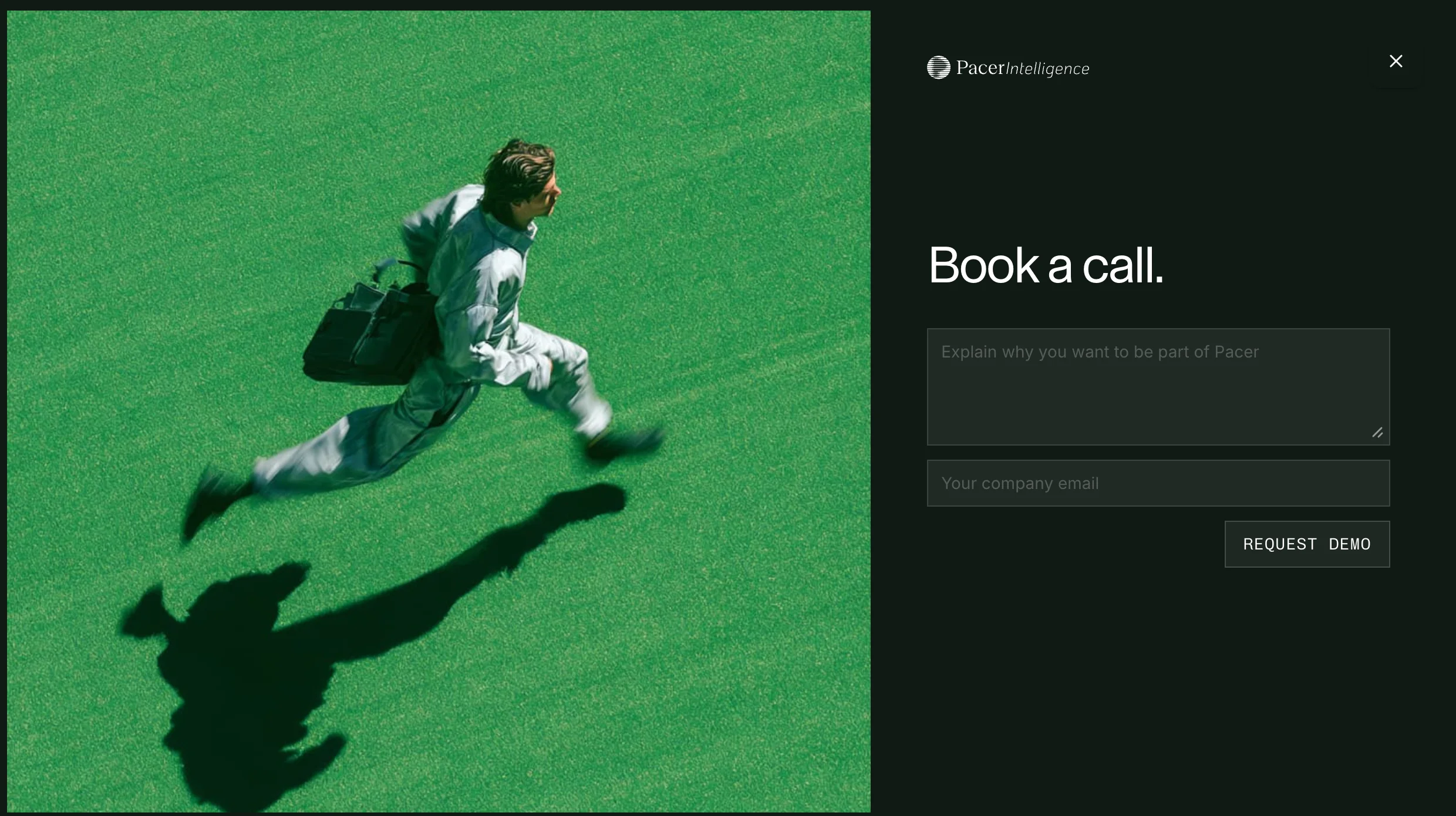
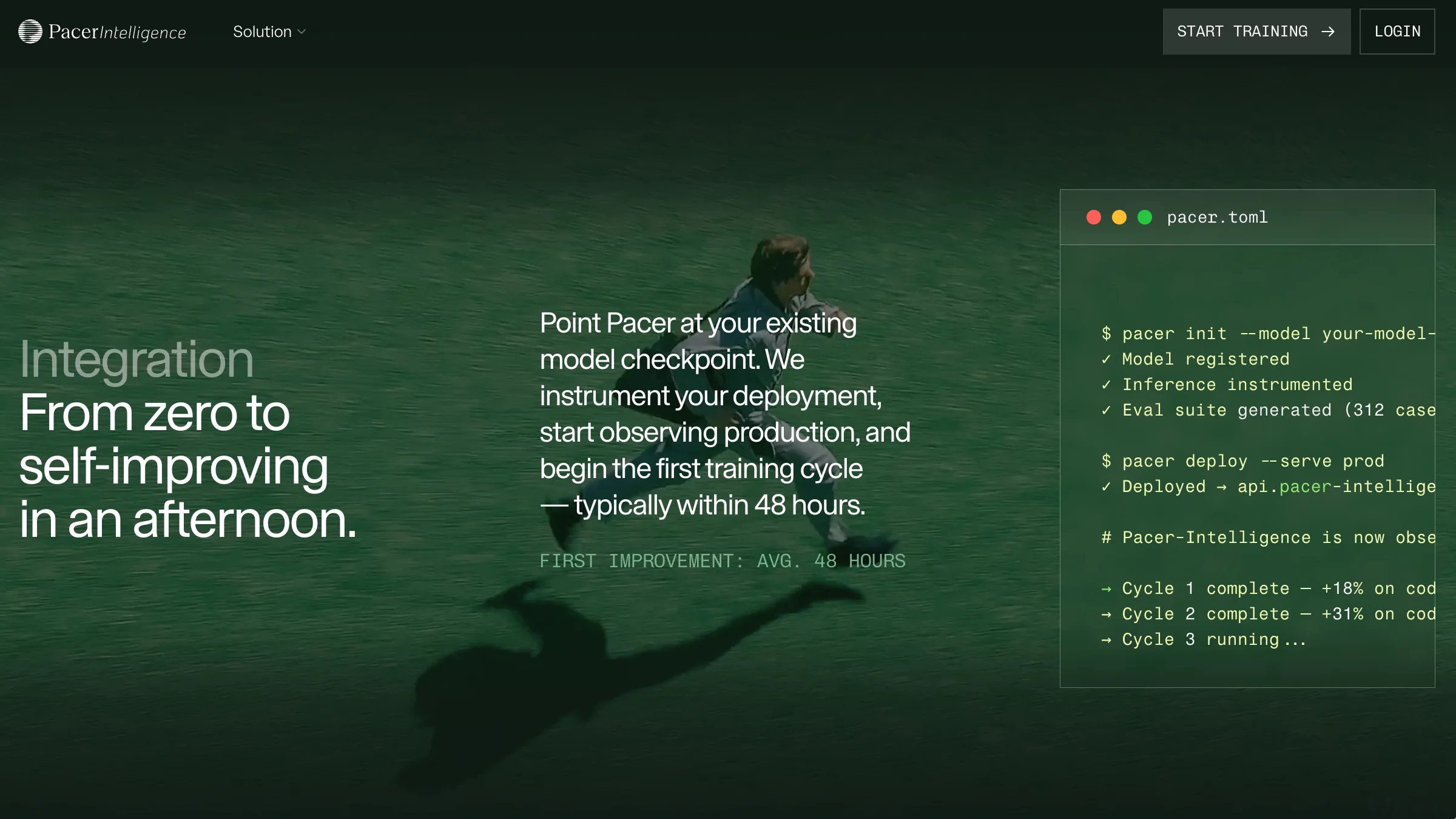
Pacer Intelligence
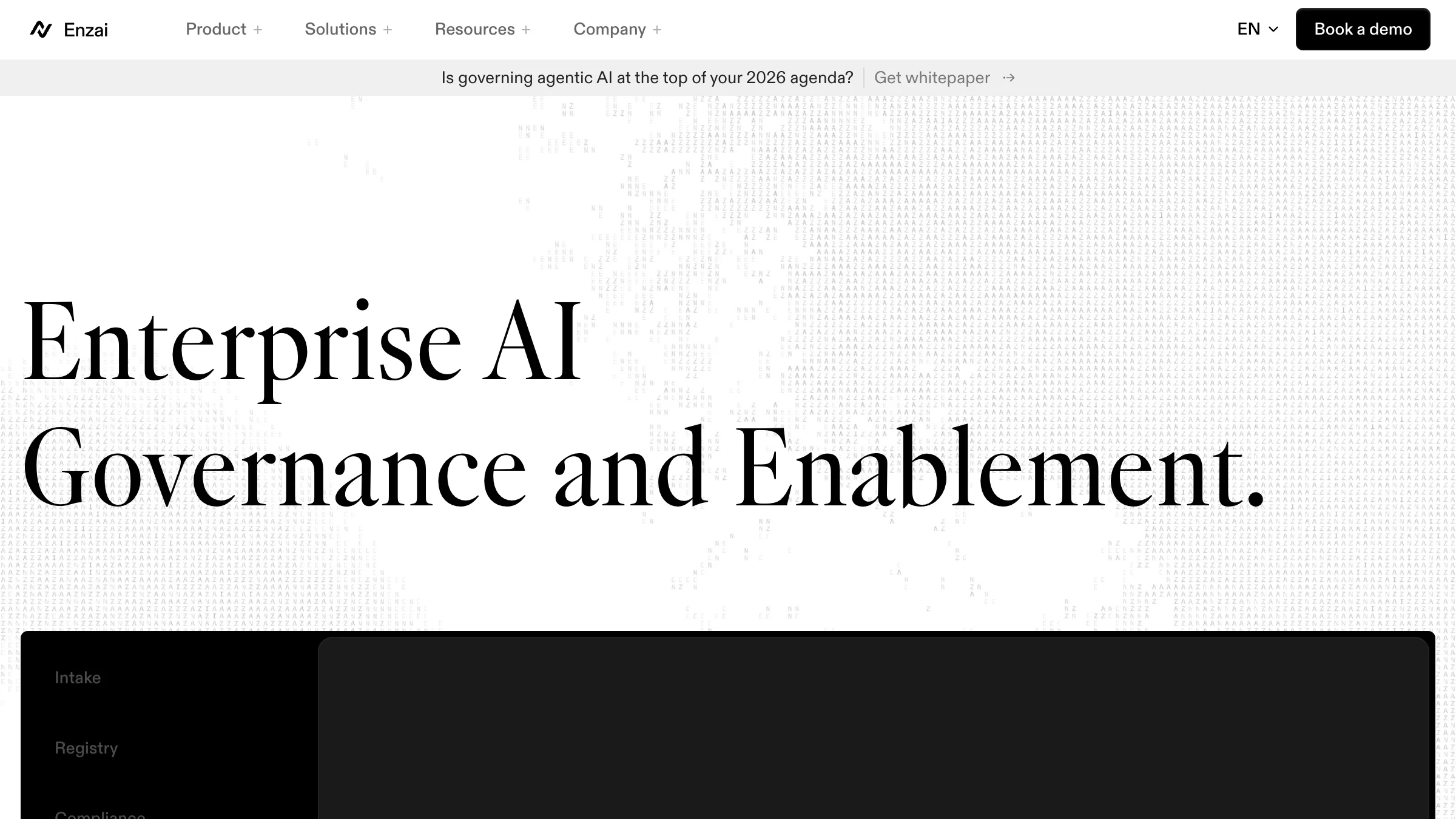
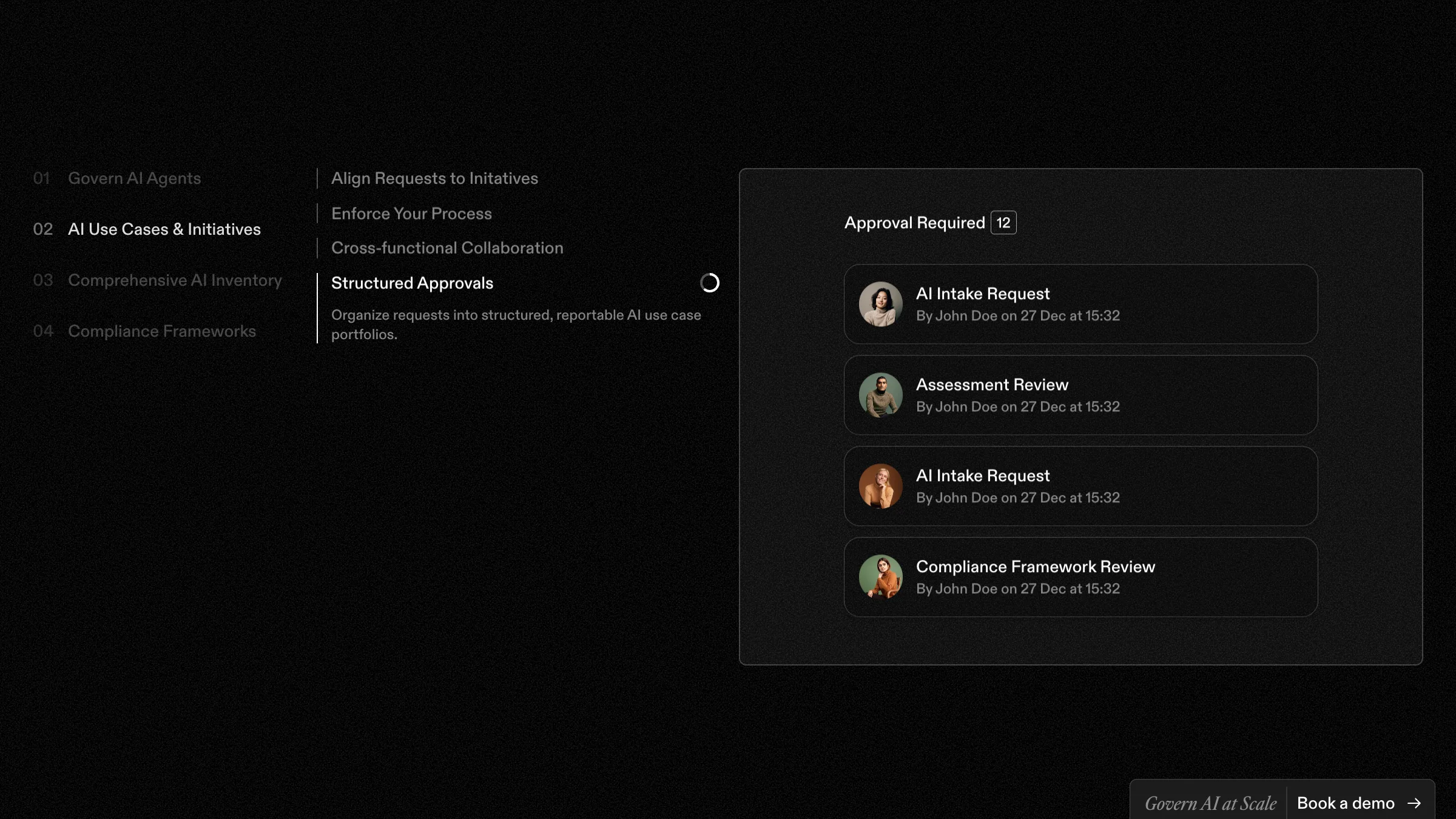

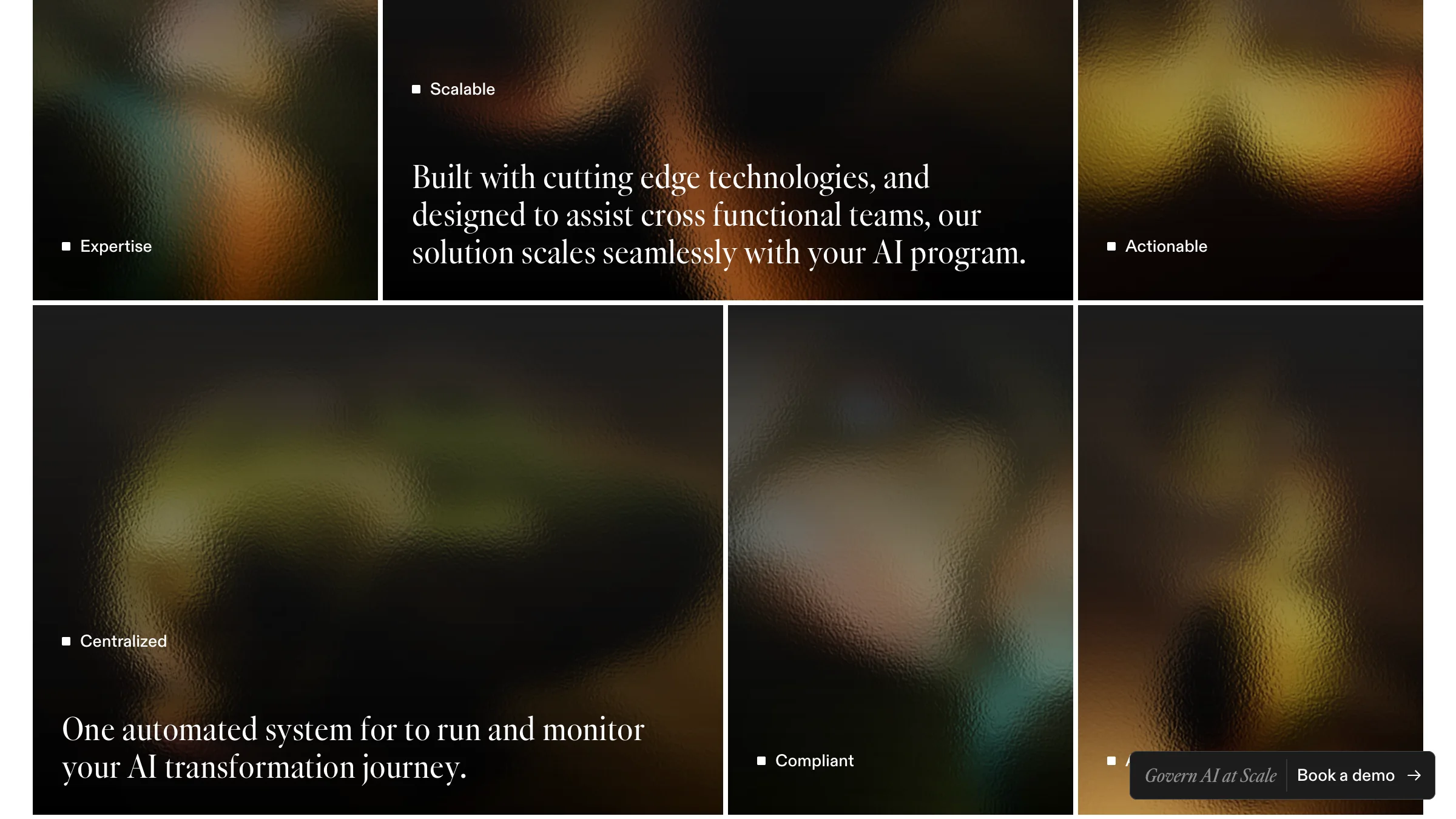
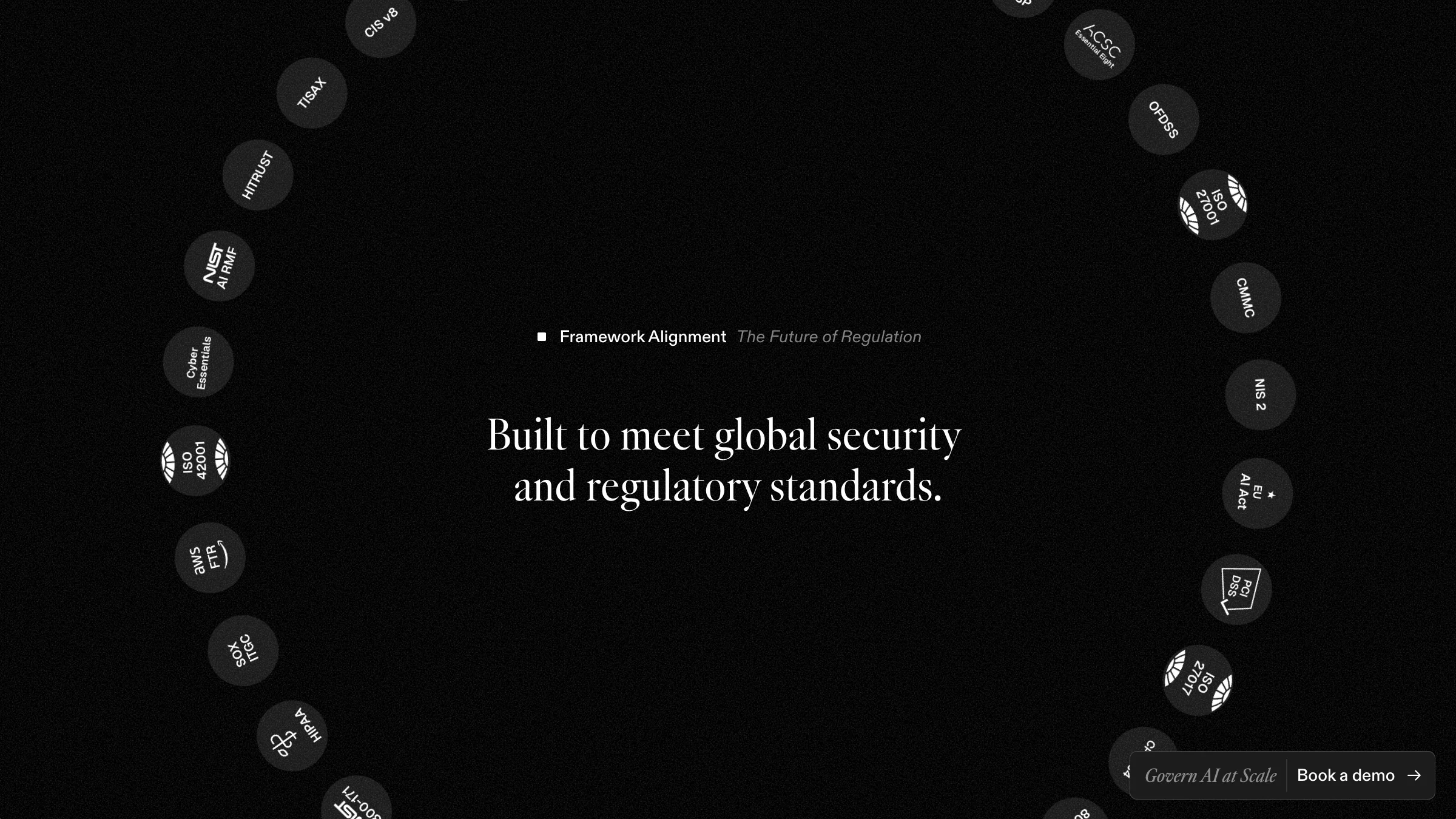
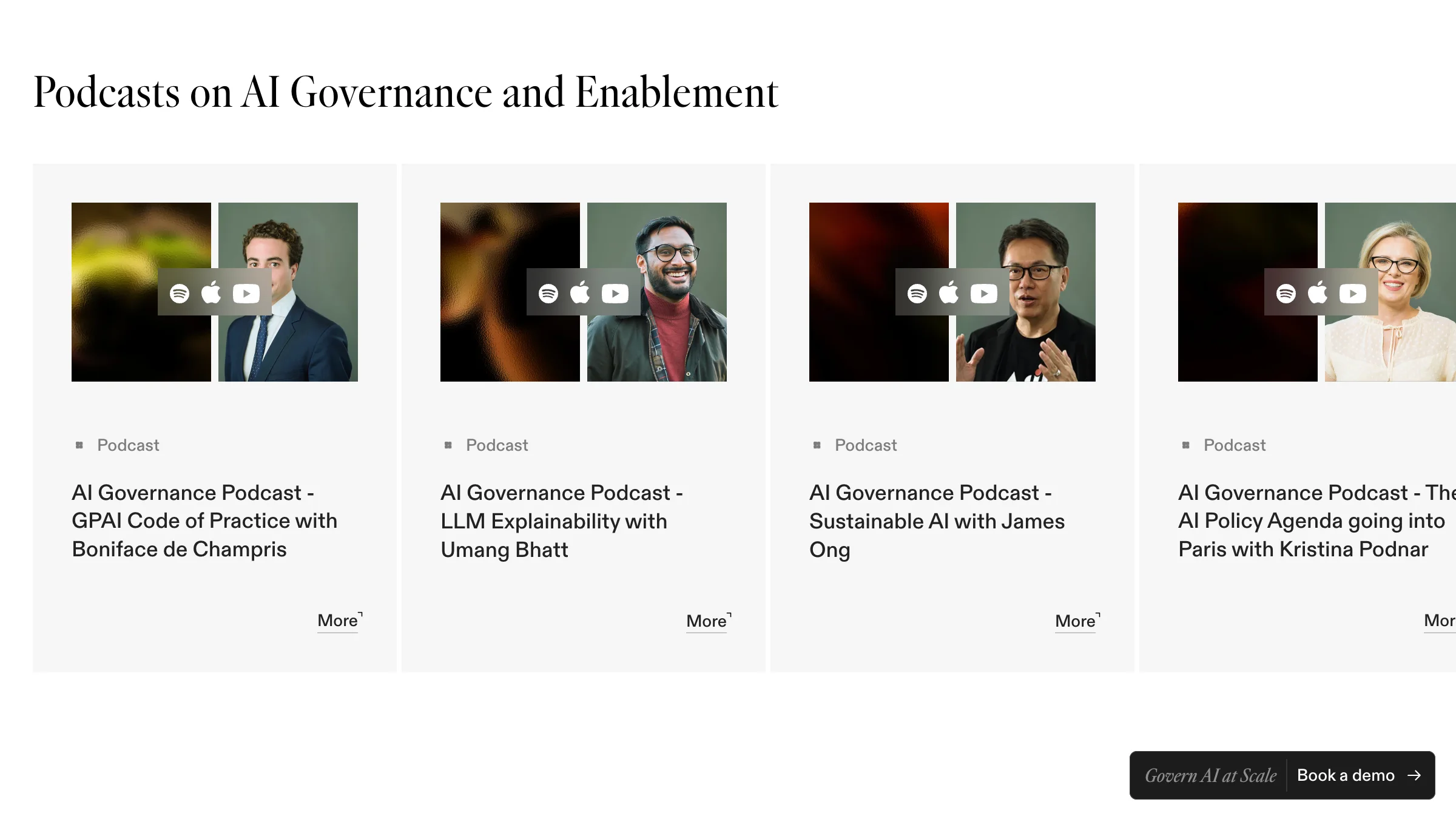


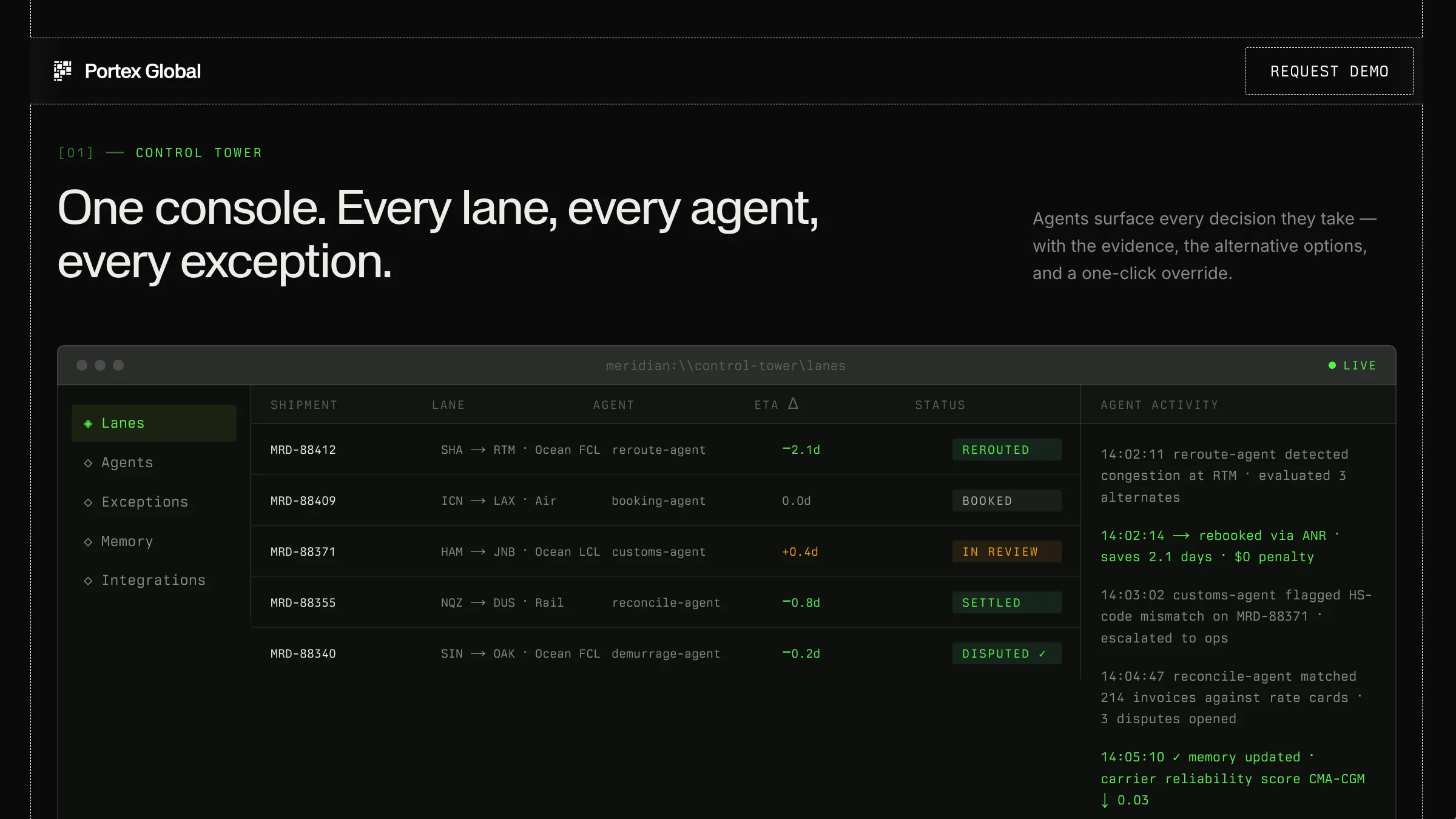
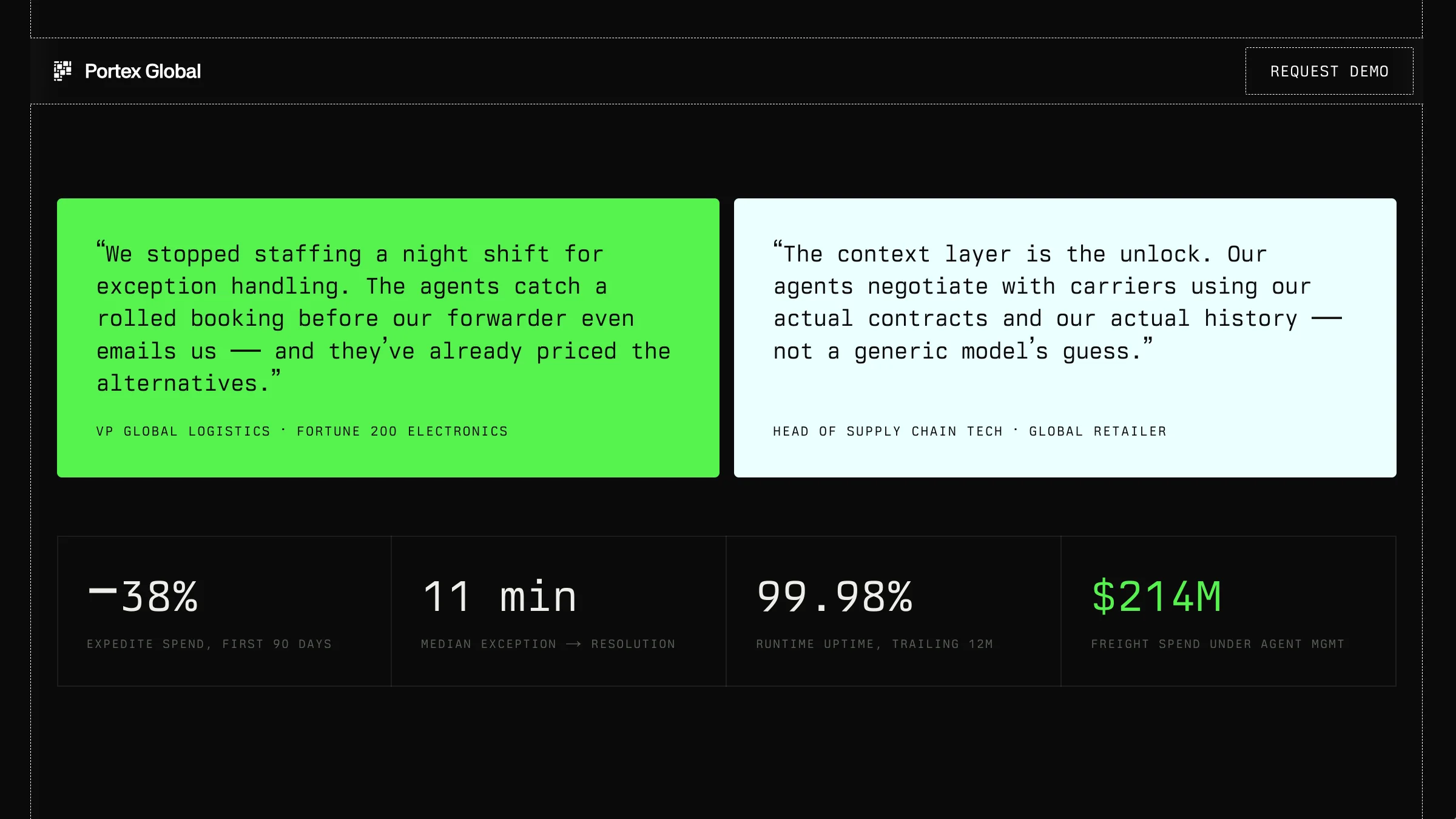
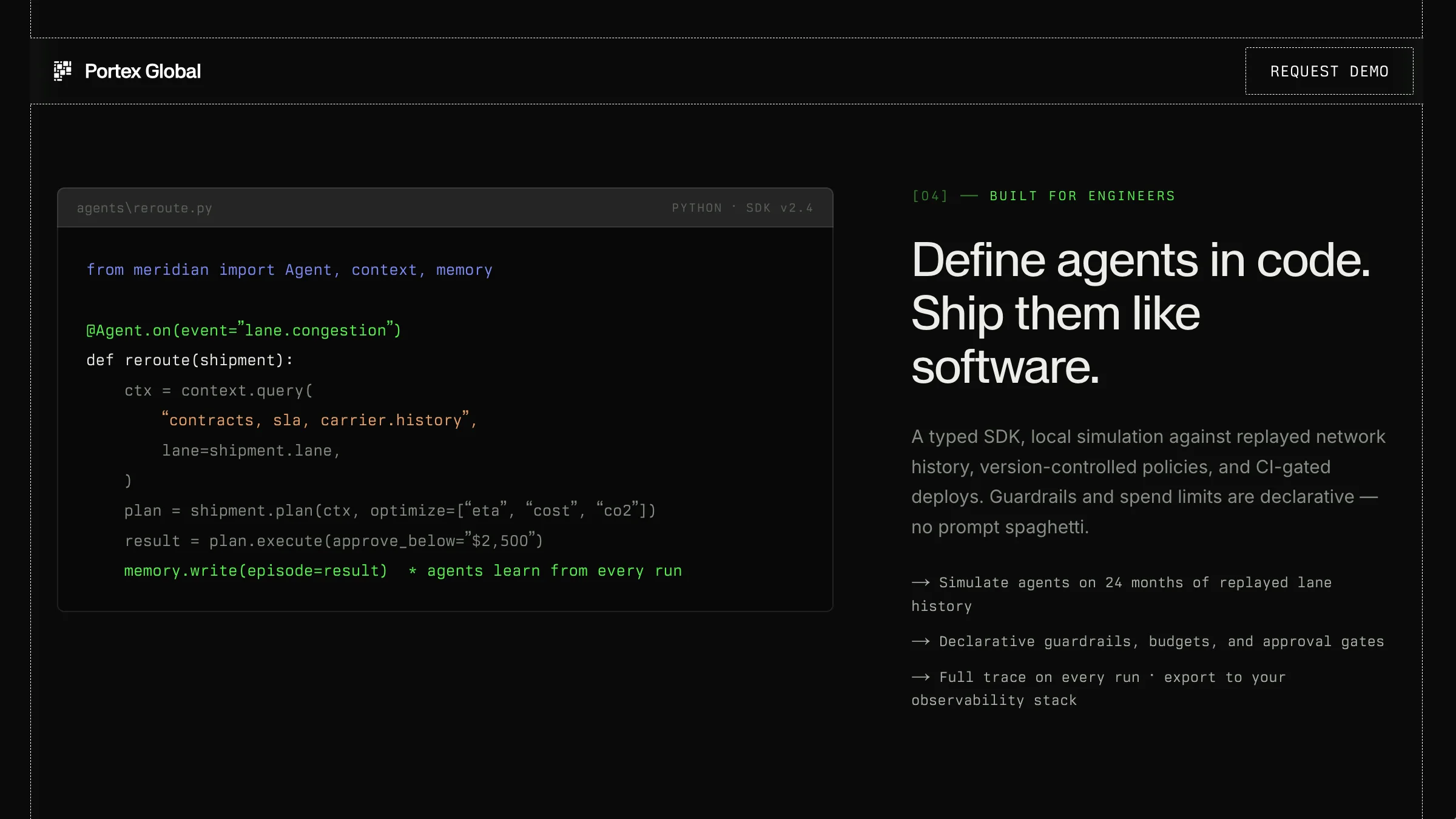

Portex Global
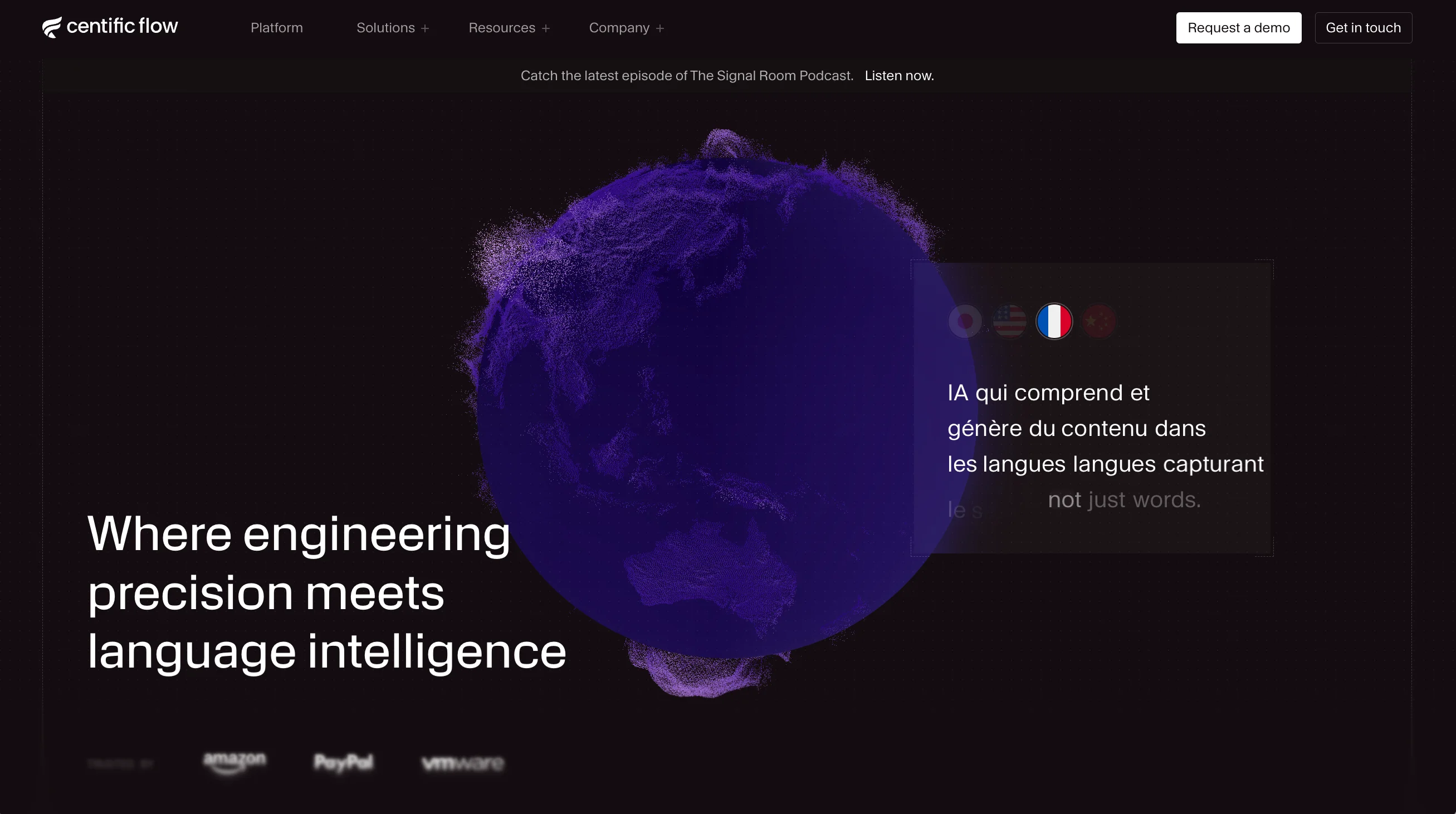


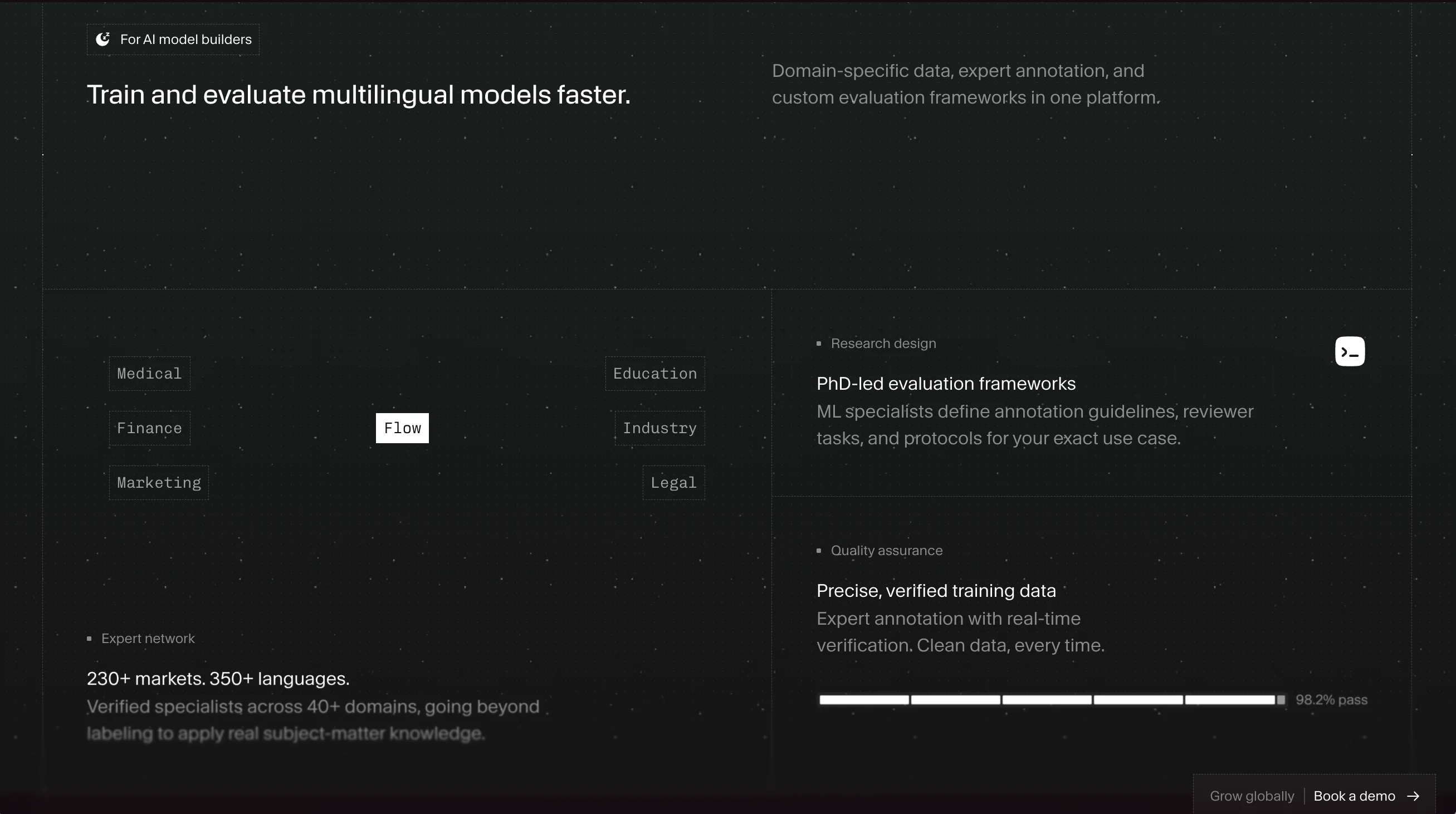
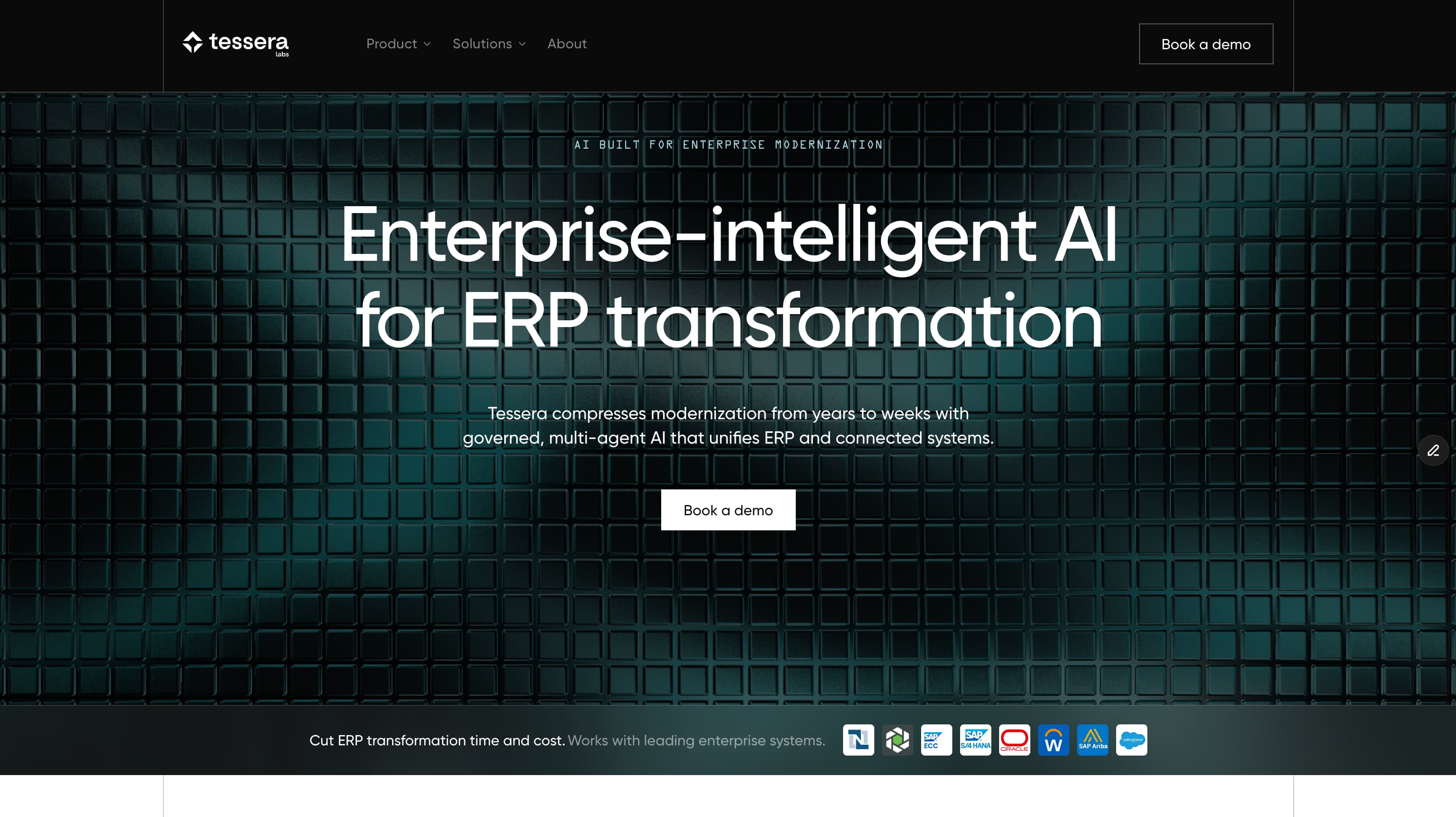
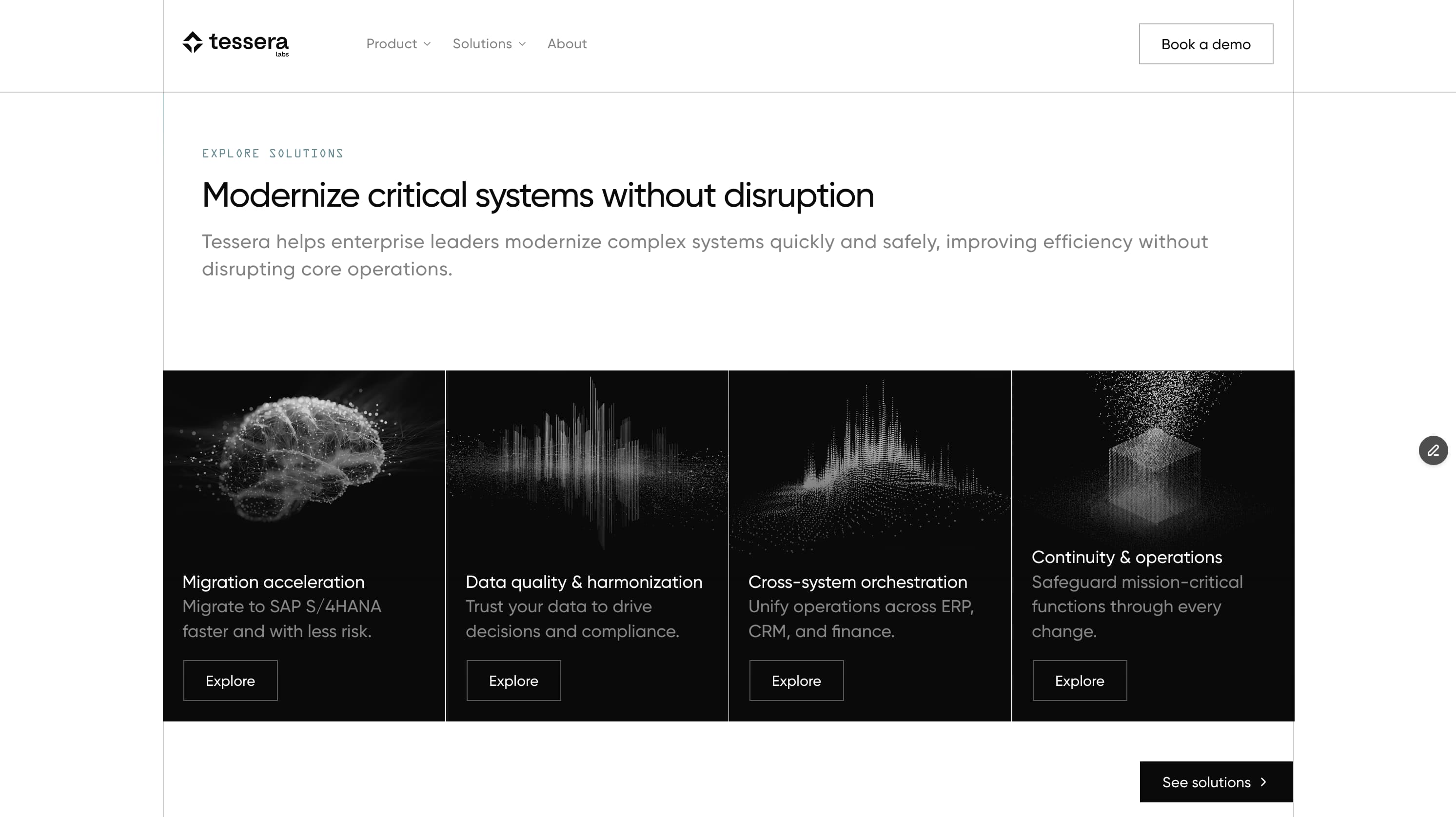
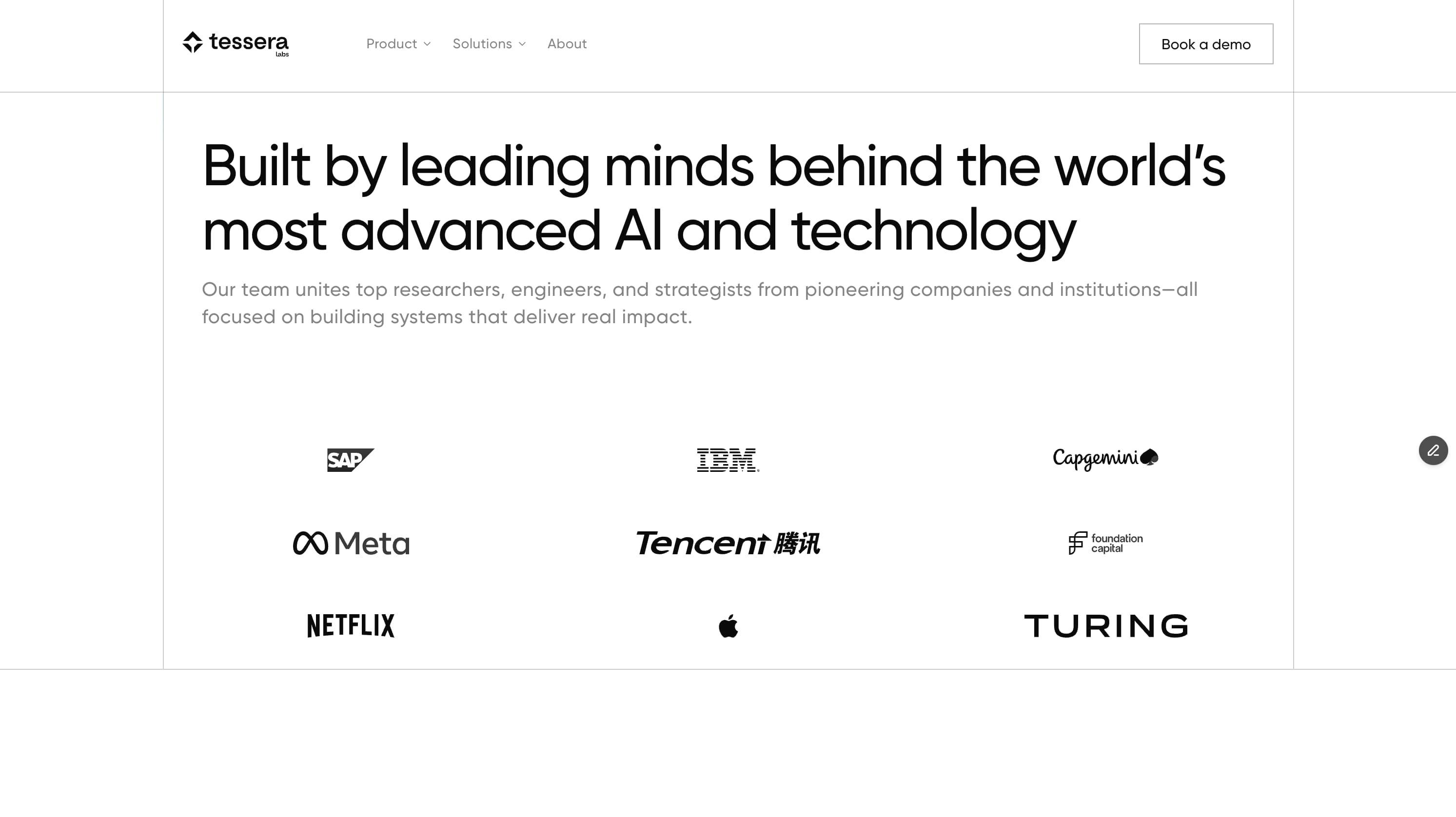
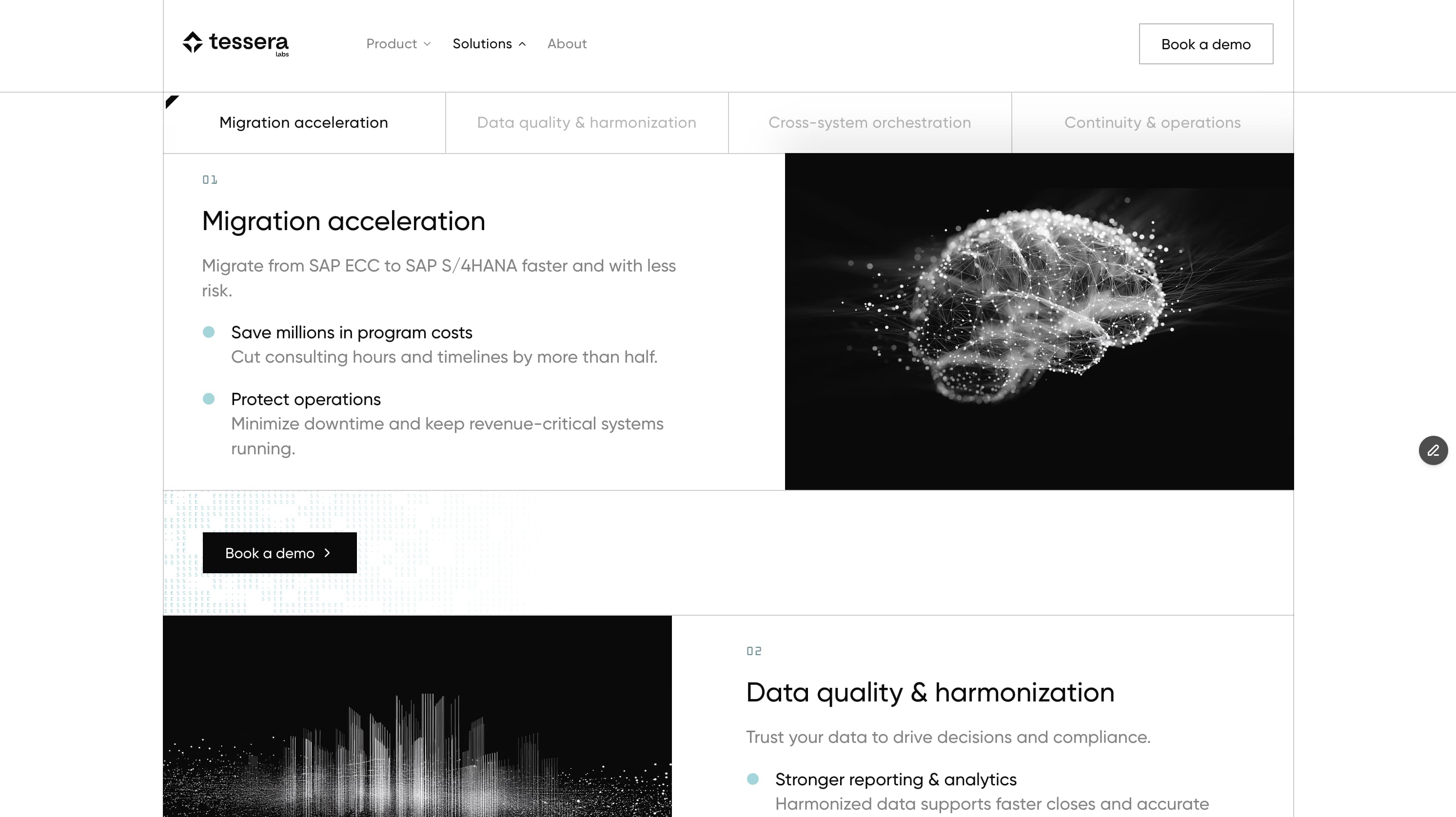
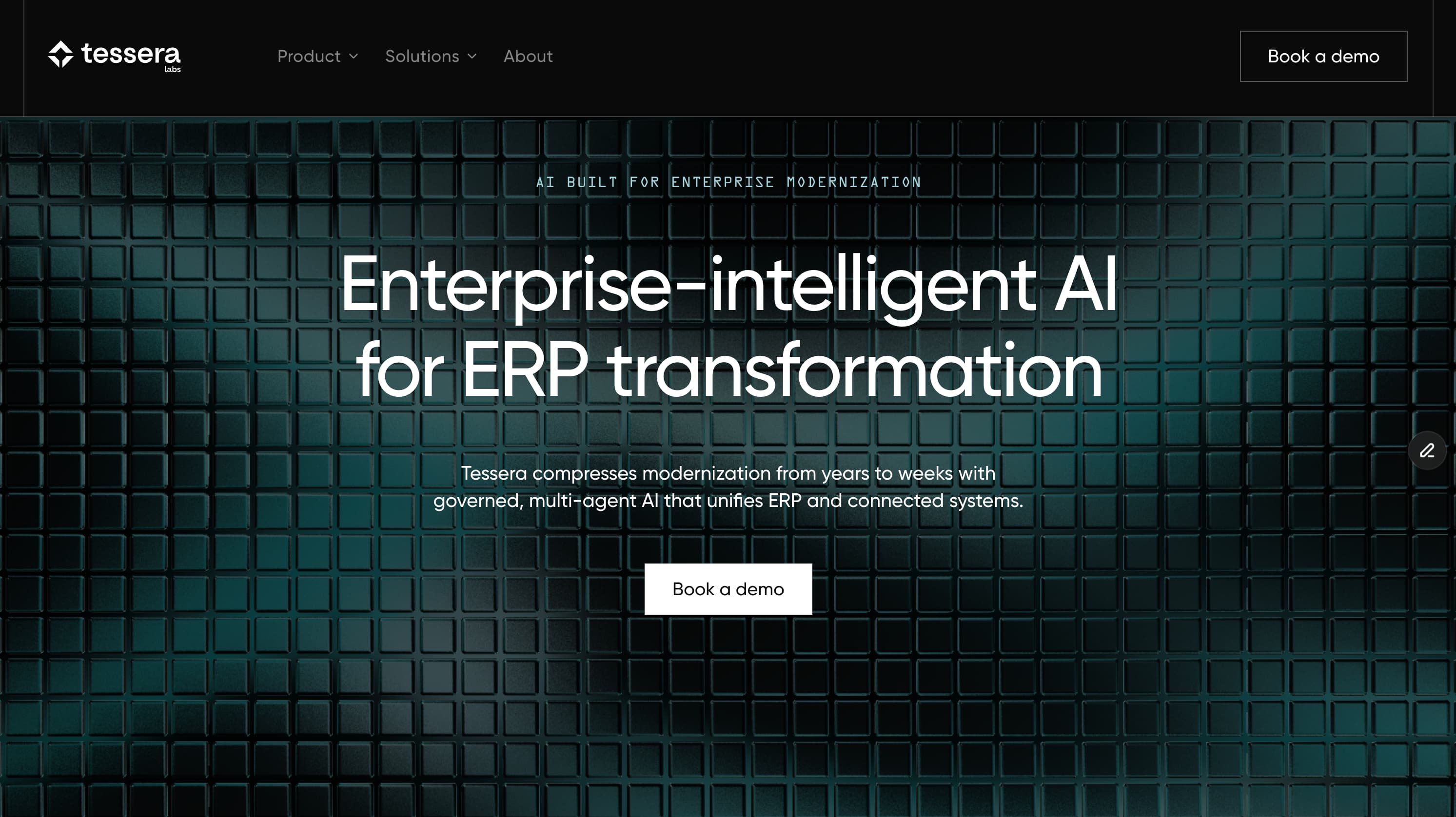
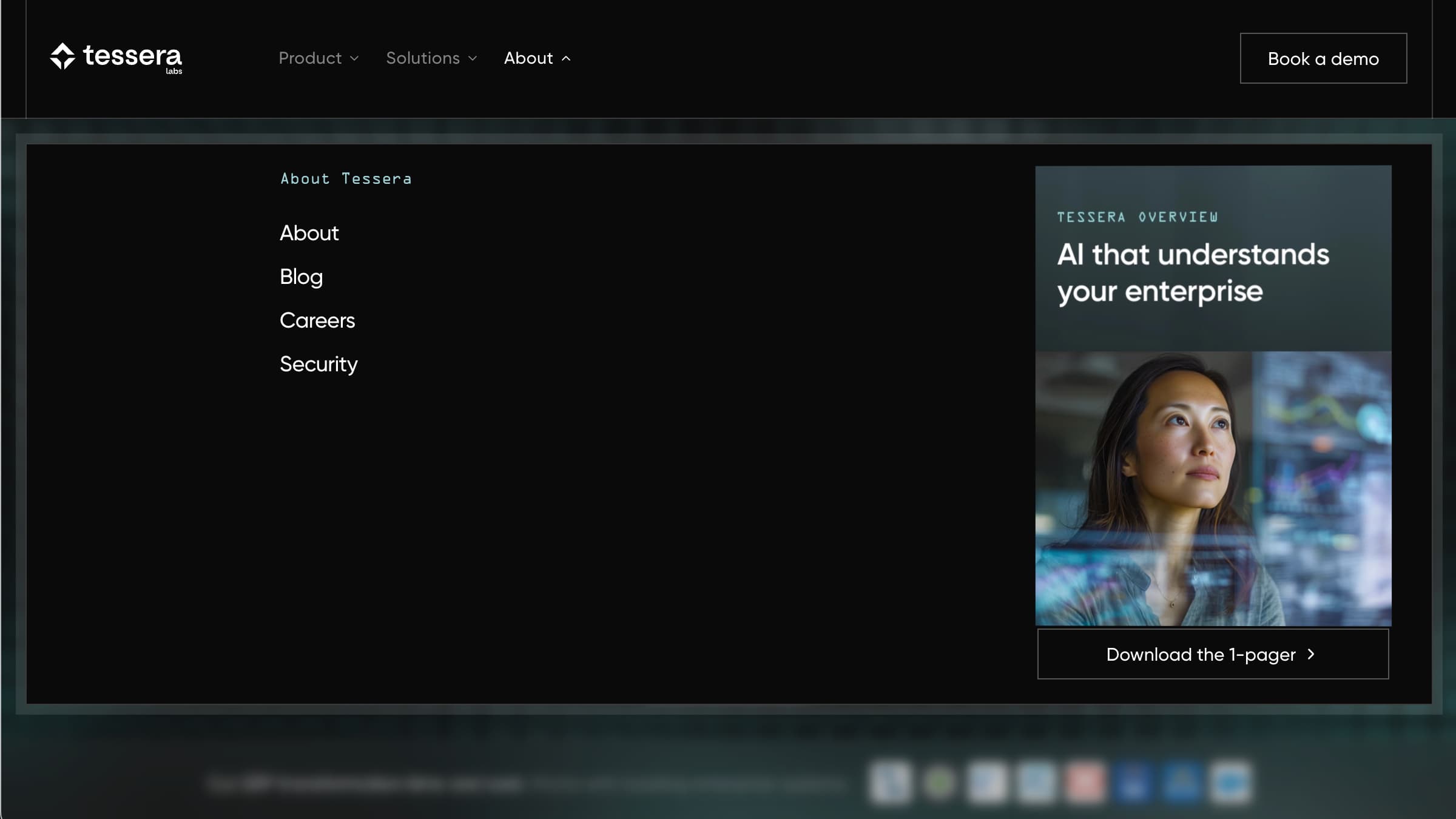
Tessera Labs
Terms
IP & Usage Rights All intellectual property created during the project remains property of Allsite Studio until full payment has been received. Allsite may reuse general methods, frameworks, and components. Usage rights transfer only after full payment.
Payment Fixed-price payments are structured as follows: 50% at kickoff and 50% upon delivery of the final version (v.3). Invoices are due within 7 days. Work may pause if invoices remain unpaid.
Feedback & Communication Feedback is most helpful when it is structured and consolidated. The preferred method is comments directly in Framer, as this keeps context attached to the relevant section. Ideally the client submits one review per version and confirms when the review is complete. Communication is primarily asynchronous via Framer comments or email.
Client Responsibilities The client provides required materials in time, including brand assets, product information, customer proof content, legal texts, access credentials, forms, and tracking requirements. The client is responsible for the accuracy and compliance of all website content.
Content & Copy Allsite provides the website narrative, page structure, headline system, initial copy, and SEO/AEO optimisation across pages and content. Copy iteration, final content review, and any translation are handled by the Lio team, with Allsite assisting the process where useful.
Iterations & Bug Fixing Two feature-iteration rounds are included as described in Phase 3 (v.1 → v.2 → v.3). Bug fixing sits outside these rounds and is covered for the full duration of the project and for two weeks following go-live.
Scope Control This proposal defines the agreed scope. Requests outside the agreed scope may be treated as additional work and quoted separately.
Timeline Dependencies Timelines assume timely feedback, consolidated review rounds, and delivery of required materials by the client. Delays on the client side may shift delivery dates.
Portfolio & Attribution Allsite may showcase the project for portfolio or marketing purposes. The client may be asked for a short testimonial quote.
Performance Disclaimer Websites are built using modern performance, SEO, and AEO best practices. Specific performance metrics, search rankings, answer-engine visibility, traffic results, or conversion improvements cannot be guaranteed.
Liability Allsite's liability is limited to the total amount paid under this agreement.
Proposal Validity This proposal is valid until the date listed above. After that date, scope, pricing, or timelines may be revised.
IP & Usage Rights All intellectual property created during the project remains property of Allsite Studio until full payment has been received. Allsite may reuse general methods, frameworks, and components. Usage rights transfer only after full payment.
Payment Fixed-price payments are structured as follows: 50% at kickoff and 50% upon delivery of the final version (v.3). Invoices are due within 7 days. Work may pause if invoices remain unpaid.
Feedback & Communication Feedback is most helpful when it is structured and consolidated. The preferred method is comments directly in Framer, as this keeps context attached to the relevant section. Ideally the client submits one review per version and confirms when the review is complete. Communication is primarily asynchronous via Framer comments or email.
Client Responsibilities The client provides required materials in time, including brand assets, product information, customer proof content, legal texts, access credentials, forms, and tracking requirements. The client is responsible for the accuracy and compliance of all website content.
Content & Copy Allsite provides the website narrative, page structure, headline system, initial copy, and SEO/AEO optimisation across pages and content. Copy iteration, final content review, and any translation are handled by the Lio team, with Allsite assisting the process where useful.
Iterations & Bug Fixing Two feature-iteration rounds are included as described in Phase 3 (v.1 → v.2 → v.3). Bug fixing sits outside these rounds and is covered for the full duration of the project and for two weeks following go-live.
Scope Control This proposal defines the agreed scope. Requests outside the agreed scope may be treated as additional work and quoted separately.
Timeline Dependencies Timelines assume timely feedback, consolidated review rounds, and delivery of required materials by the client. Delays on the client side may shift delivery dates.
Portfolio & Attribution Allsite may showcase the project for portfolio or marketing purposes. The client may be asked for a short testimonial quote.
Performance Disclaimer Websites are built using modern performance, SEO, and AEO best practices. Specific performance metrics, search rankings, answer-engine visibility, traffic results, or conversion improvements cannot be guaranteed.
Liability Allsite's liability is limited to the total amount paid under this agreement.
Proposal Validity This proposal is valid until the date listed above. After that date, scope, pricing, or timelines may be revised.
Ben / Allsite is fast, creative, and detail-driven — a rare combination.
Alberto Rizzoli