Issued on
Valid until
Prepared For
Deltia GmbH
AI Campus
Max-Urich-Str. 3
Germany
Prepared By
Allsite Studio / Benjamin Libor
Grünberger Strasse 17
10243 Berlin
Germany
Overview
The goal of the project is to define a clear positioning and build a scalable website that establishes Almetra as the intelligence layer for modern factories.
The new website should translate complex capabilities across data capture, process understanding, and future automation into a clear, credible, and high-performance digital experience.
Key goals include:
1. Define and communicate the new positioning
Almetra is evolving from a shop floor analytics tool to a platform that captures, understands, and optimizes work across the entire factory.
The website should clearly express this shift and establish a strong category narrative.
2. Reflect the full product and solution scope
The platform goes beyond video-based analytics and integrates multiple data sources across systems and operations.
The website should present products, solutions, use cases, and industries in a structured and scalable way.
3. Address multiple stakeholders clearly
The website must speak to different audiences including operational leaders, executives, and investors.
Messaging, value propositions, and conversion paths should reflect these perspectives.
4. Build trust in a sensitive category
As the platform moves toward automation, the narrative must carefully position Almetra as augmenting and scaling human expertise.
The design and messaging should emphasize credibility, control, and long-term value creation.
5. Establish a scalable website foundation
The site will be structured across core pages and CMS-driven content areas including products, solutions, use cases, and resources.
The architecture must support expansion across markets, especially into the US.
6. Enable internal team ownership and growth
After launch, the Almetra team should be able to manage, extend, and optimize the website independently, including running experiments and A/B tests.
Scope
1. Positioning & ICP Foundation (Collaborative, iterative)
Tasks
Session 1 (1h): Input gathering (market, product, ICP, vision)
Session 2 (1h): Presentation of 3–4 positioning directions
Session 3 (1h): Refinement + final alignment
Deliverables
3–4 positioning directions
Final positioning document (category, narrative, messaging)
ICP + use case alignment
Outcome
Clear, agreed positioning as foundation for all downstream work
Time: ~2.5 days total effort
Cost: ~€5,000
2. Brand Identity System (Almetra) (Execution-first approach)
Tasks
Brand direction applied to selected assets
Design of chosen brand packages
Creation of core visual + verbal system
Deliverables
Branded asset packages (client selects scope), e.g.:
Website UI direction (~1 day)
Sales / pitch deck (10 slides, ~2 days)
Social assets (LinkedIn, banners, ads, ~1 day)
Event / print materials (scoped separately)
Central brand one-pager (logo, colors, typography, usage)
Organized asset library
Outcome
Brand that is immediately usable across all key touchpoints
Time: ~4 days (example scope)
Cost: ~€8,000 (assuming website UI + deck + social assets)
Note: Final scope, timing, and cost depend on selected asset packages.
3. Website Strategy & IA (We lead)
Tasks
Sitemap + structure (products, solutions, use cases, industries)
Content strategy (SEO/GEO, hiring, trust content)
Audit of existing Framer project (reuse vs. rebuild)
Deliverables
Sitemap + page definitions
Wireframes (core templates)
Recommendation: build on top vs. rebuild
Outcome
Scalable structure reflecting full product scope and growth
Time: ~1–2 days
Cost: ~€2,000 – €4,000
4. Website Design & Build (We lead)
Tasks
UI/UX design (homepage + key templates)
Visual & interactive system (incl. WebGL if applicable)
Development in Framer + integrations
Deliverables
High-fidelity designs + component system
Visual assets + interactions
Fully built website (CMS, integrations, QA)
Outcome
High-performance, scalable website aligned with positioning
Time: ~2 weeks
Cost: ~€20,000
Note: Scope may increase depending on number of iterations and complexity.
5. Content & Copywriting (We lead)
Tasks
Website copywriting (core pages)
Messaging application per page
Narrative refinement
Deliverables
Full website copy
Messaging system applied across pages
Optional: investor / press narrative
Outcome
Clear, compelling story aligned with positioning and ICP
Time: ~1–2 days
Cost: ~€2,000 – €4,000
6. Launch & Enablement (We lead)
Tasks
Analytics + tracking setup
A/B testing setup (homepage, demo, key flows)
CMS handover + training
Deliverables
Tracking + analytics configured
A/B testing framework (variants + hypotheses)
Handover documentation
Outcome
Data-driven launch with continuous optimization from day one
Time: ~1–2 days
Cost: ~€2,000 – €4,000
Design Direction
The design direction will align with the newly developed Almetra positioning.
The brand positions Almetra as the intelligence layer for factories, enabling operations to be captured, understood, and continuously improved across the entire system.
The website and visual system should translate this shift from a point solution to a platform into a clear, credible, and scalable digital experience.
Key design principles:
From Tool to System
The current perception of a shop floor analytics tool will evolve into a platform narrative.
The design should reflect a system-level product, not a feature or single capability.
Clarity from Complexity
Almetra operates across multiple data sources (video, systems, sensors) and layers of intelligence.
The design should simplify this complexity into structured, easy-to-understand flows and visuals.
Operational Intelligence
The visual language should reflect how data turns into understanding and optimization across factory processes.
Focus on showing progression: capture → understand → optimize → automate.
Trust & Industrial Credibility
The platform operates in a sensitive, enterprise environment.
Design should feel precise, controlled, and reliable — not experimental or overly futuristic.
Human-Centered Progress
As the platform evolves toward automation, communication must emphasize augmentation, not replacement.
The brand should position Almetra as capturing and scaling human expertise, not removing it.
Scalable System Design
The website should function as a modular system, supporting expansion across products, solutions, industries, and markets (EU → US).
Design decisions should prioritize consistency and extensibility.
Visual System Direction:
Structured, system-oriented layouts (not marketing-heavy compositions)
Clear hierarchy and information flow
Abstract visuals to represent processes and data transformation
Minimal, industrial, and globally neutral aesthetic
Outcome:
A design system that establishes Almetra as a category-defining platform — moving from analyzing work to defining how factories understand and improve themselves.
Timeline
The project is structured in sequential phases, with selected workstreams running in parallel to ensure an efficient and high-quality delivery.
Week 1 — Positioning & Foundation
Positioning and ICP alignment through iterative sessions.
Final positioning defines the foundation for all downstream work.
Week 2 — Brand & Website Strategy
Development of brand direction applied to selected assets.
Website structure, sitemap, and content architecture defined.
Week 3–4 — Design & Development
Design and development of the website in parallel.
Creation of core page templates, component system, and initial build in Framer.
Week 5 — Iteration & Refinement
Review cycles based on feedback.
Refinement of design, structure, and interactions across key pages.
Week 6 — Content & Finalization
Integration and refinement of full website copy.
Final adjustments to messaging, visuals, and overall coherence.
Week 7 — Launch & Enablement
Final QA and go-live.
Setup of analytics, A/B testing, and marketing integrations (CRM, tracking, etc.).
Outcome
A fully positioned, designed, and deployed website within ~6–7 weeks, ready to scale, iterate, and support growth across markets.
Price
The project is structured in modular buckets, allowing flexibility in scope while maintaining a clear path toward a full relaunch.
Our standard rate is €250/hour, with pricing based on estimated effort per bucket.
Positioning & ICP Foundation
~2.5 days
€5,000
Brand Identity System (example scope)
Website UI direction, sales deck (10 slides), social assets
~4 days
€8,000
Final scope depends on selected brand asset packages.
Website Strategy & IA
~1–2 days
€2,000 – €4,000
Website Design & Build
~2 weeks
€20,000
Scope may increase depending on iterations and complexity.
Content & Copywriting
~1–2 days
€2,000 – €4,000
Launch & Enablement
~1–2 days
€2,000 – €4,000
Total (Recommended Full Scope)
€39,000 – €45,000
~4–5 weeks core effort (~6–7 weeks timeline including iteration and launch)
Notes
Buckets can be scoped and commissioned independently
Final pricing depends on selected scope and iteration depth
A combined engagement ensures consistency across positioning, brand, and execution
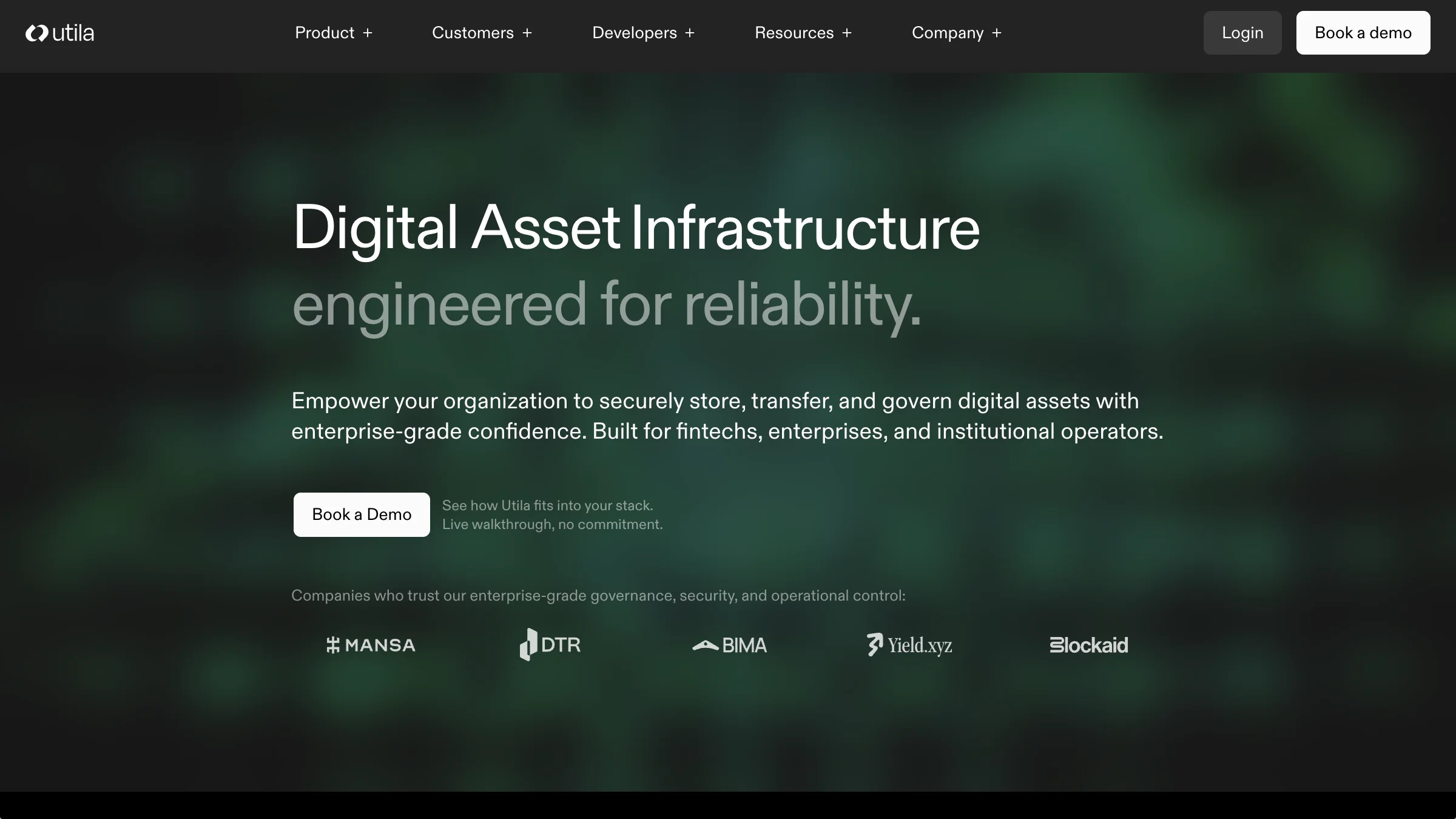
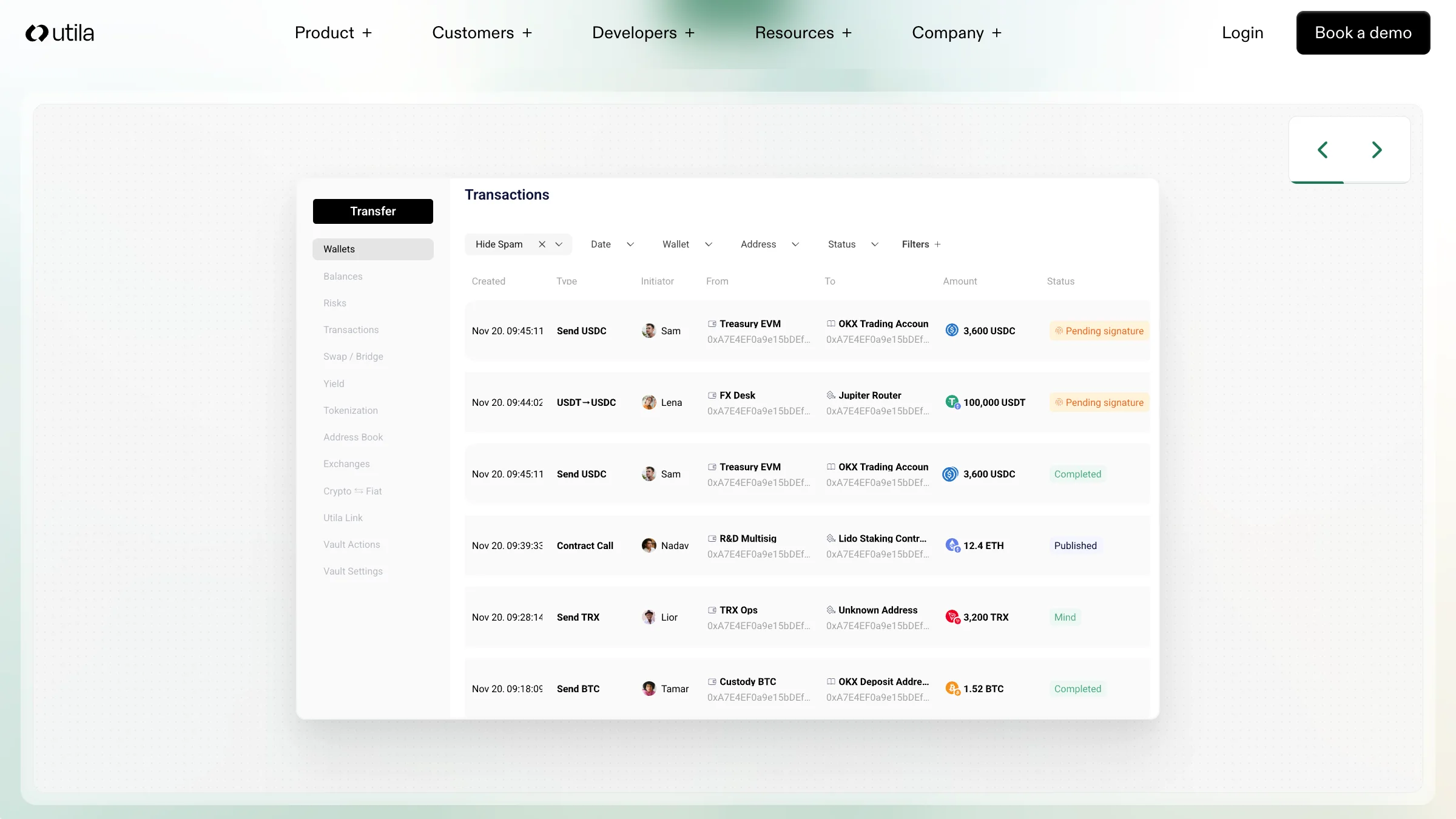
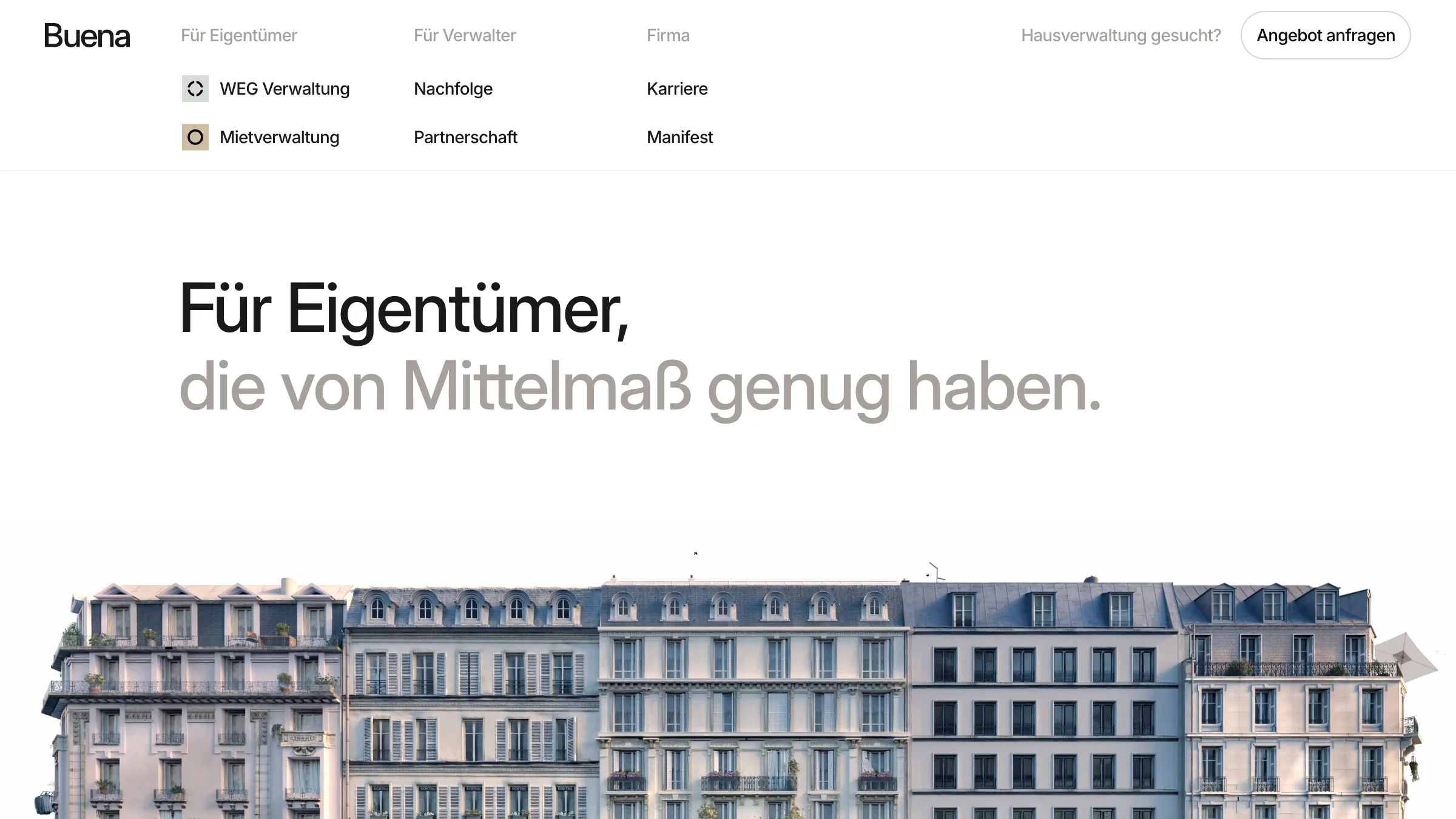
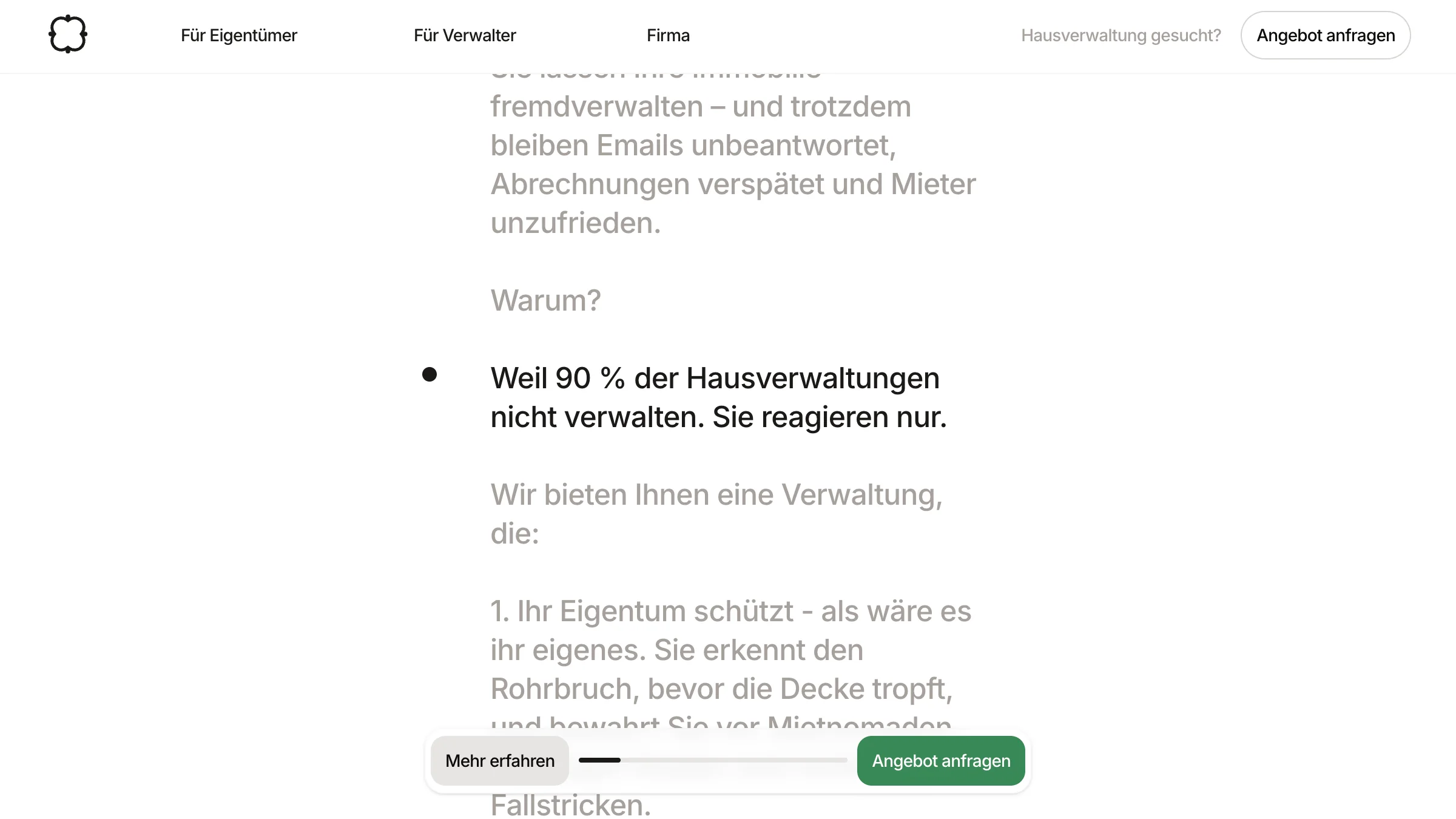
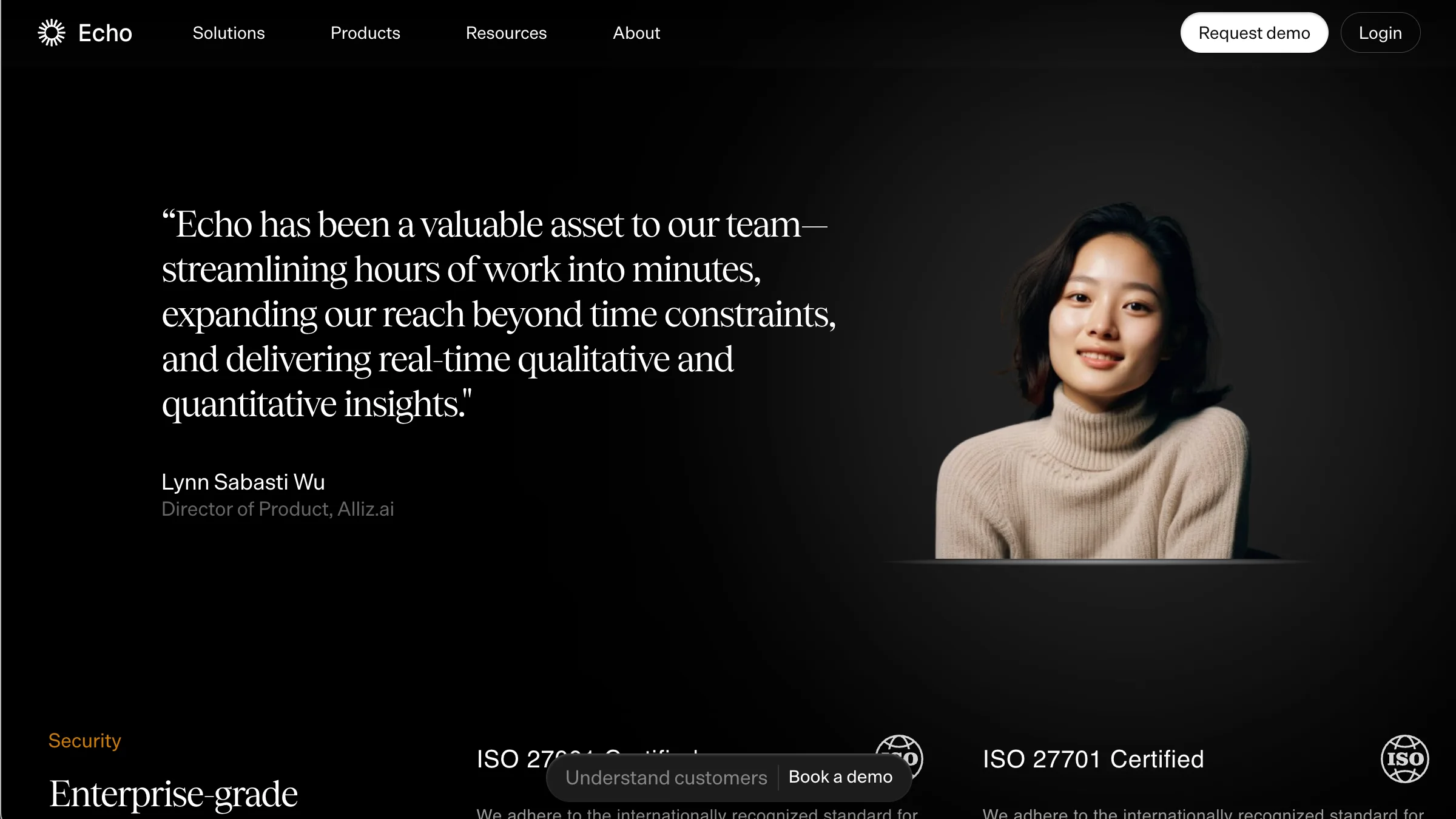
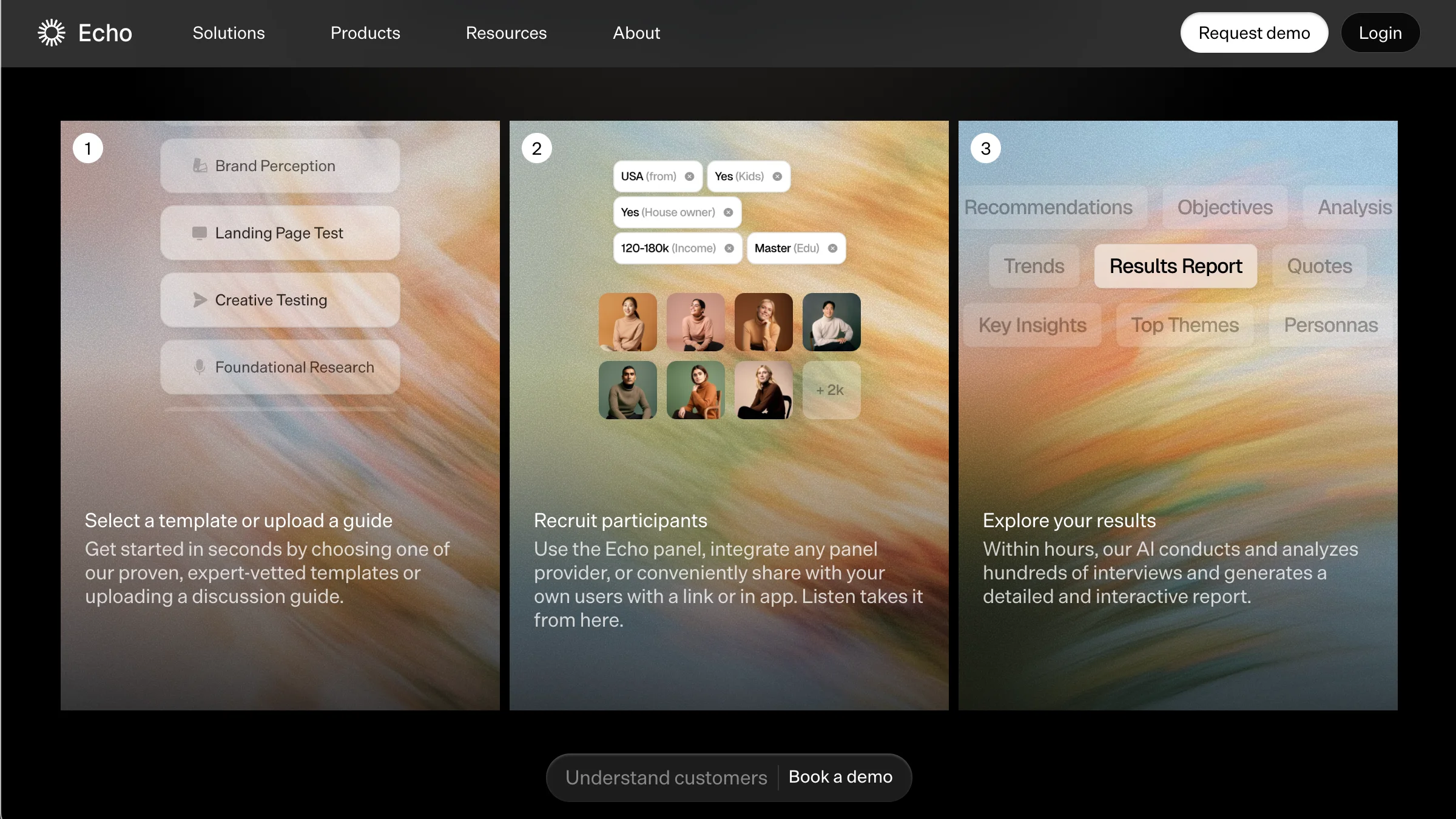
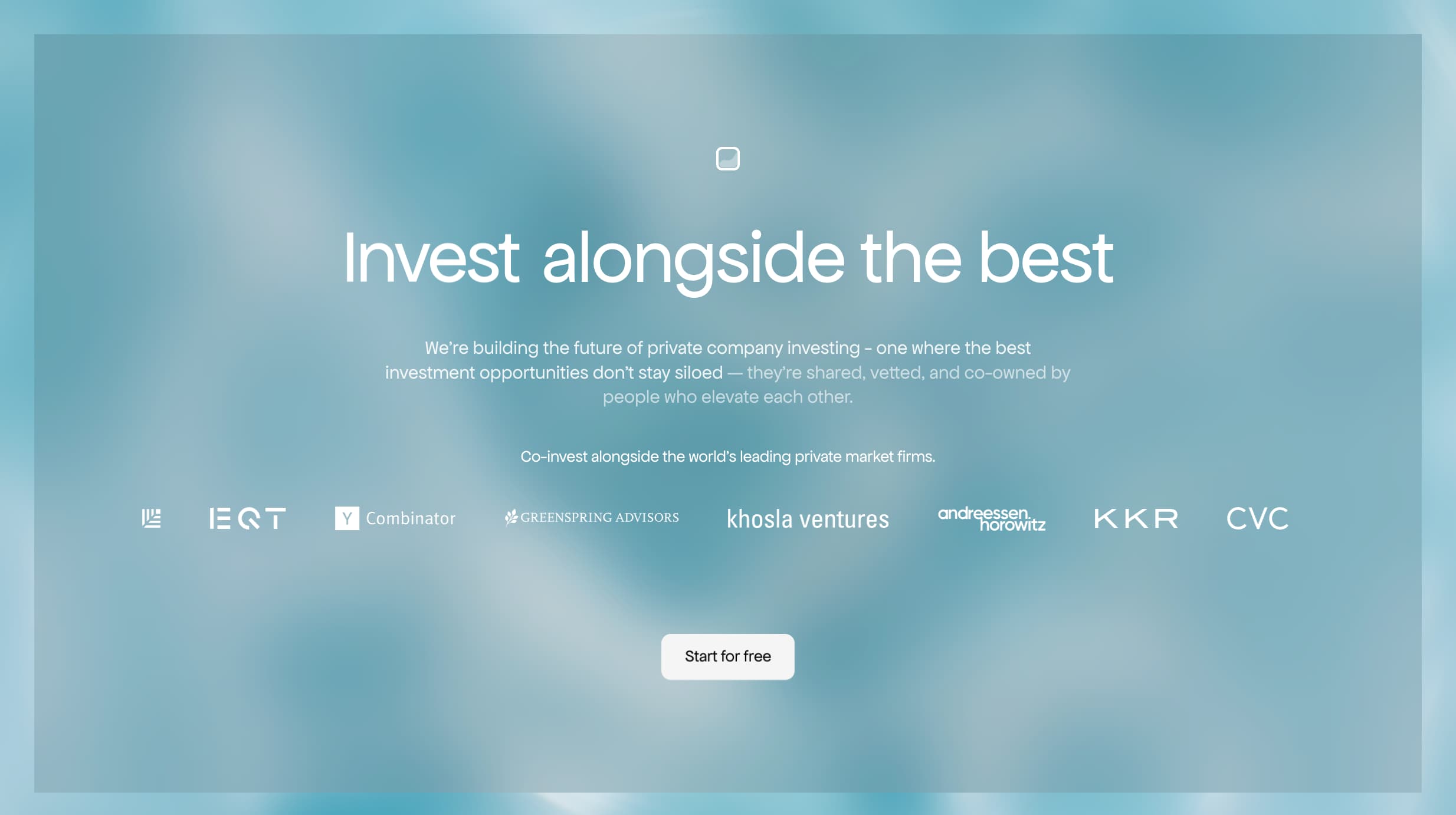
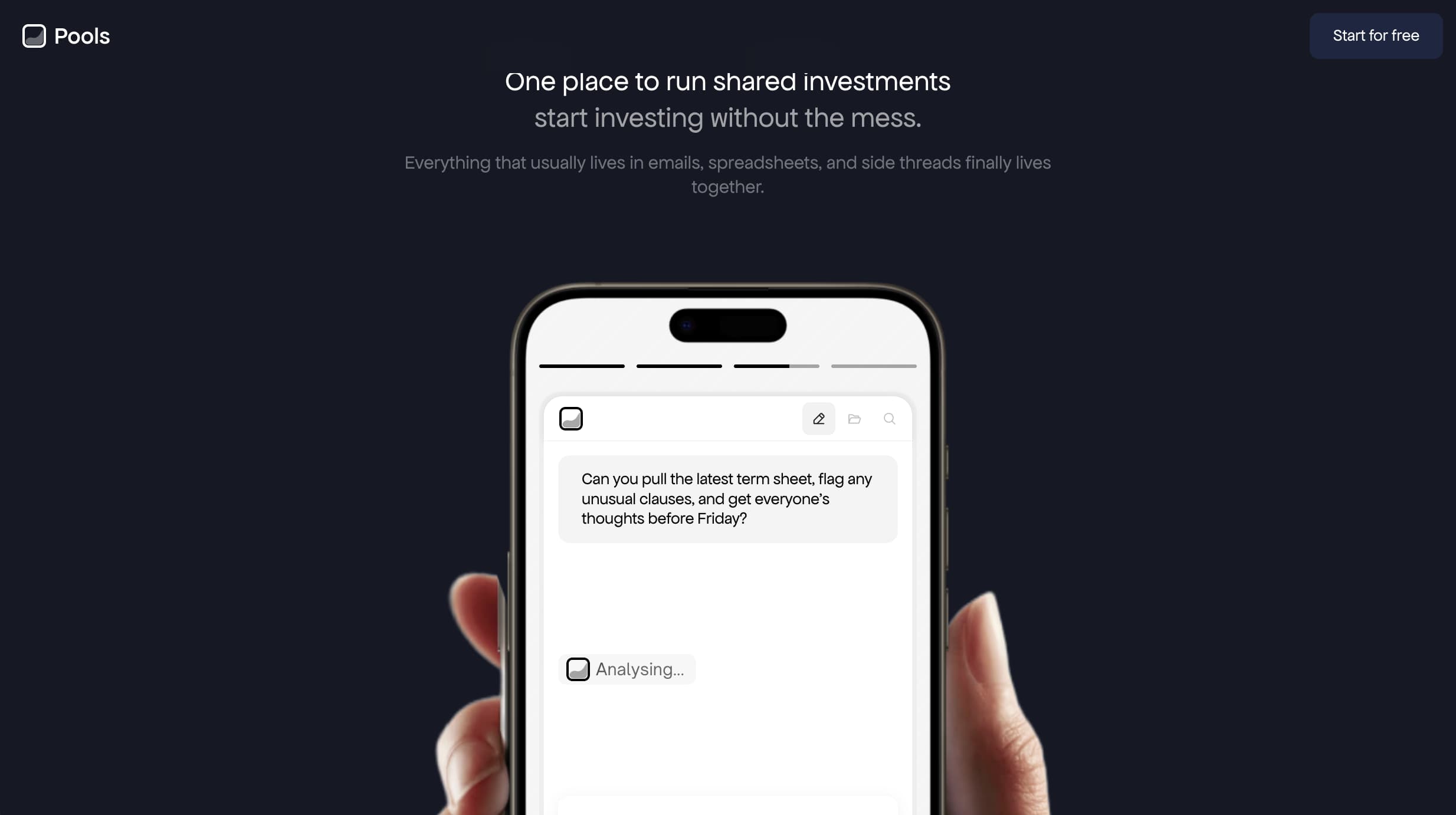
Selected work
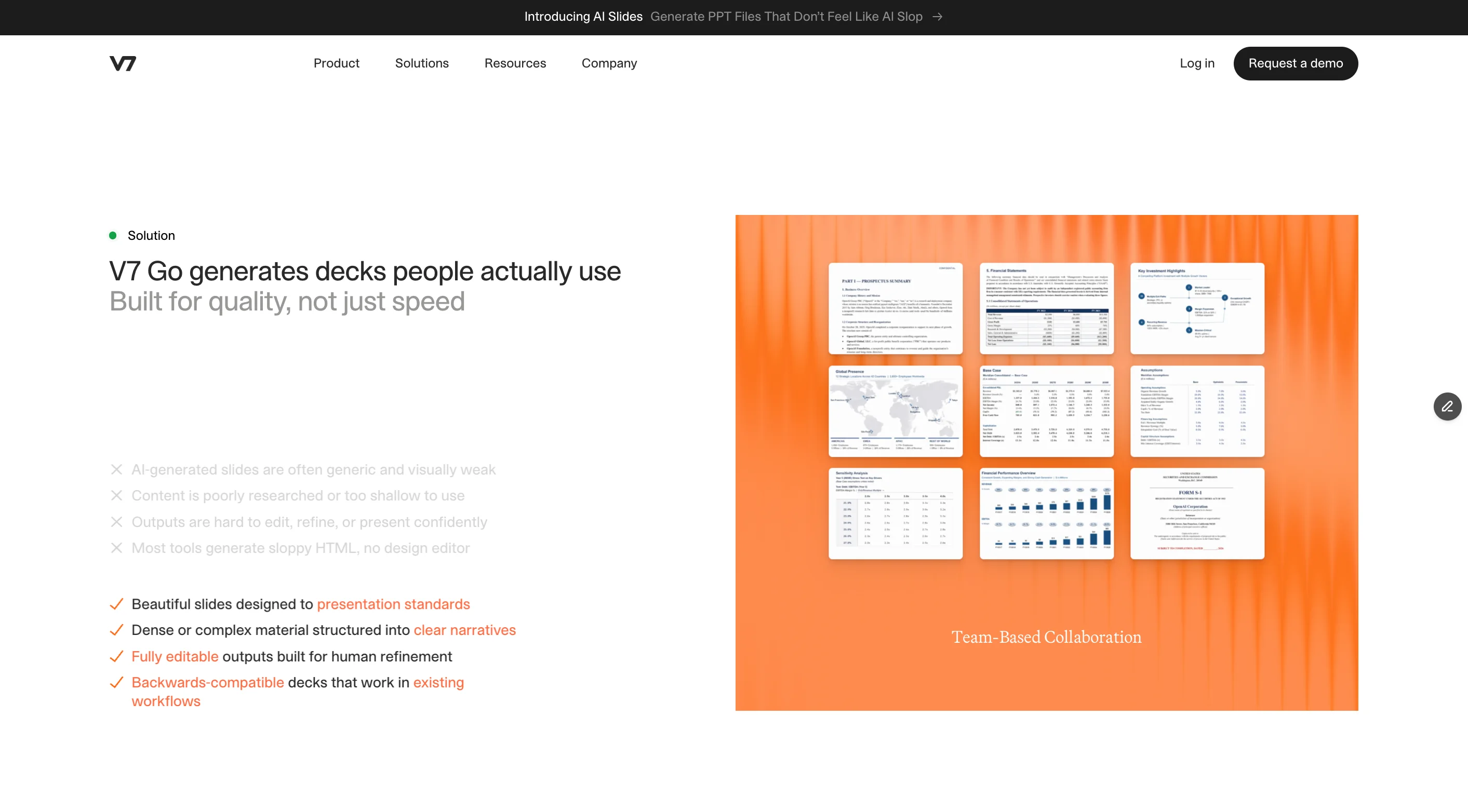
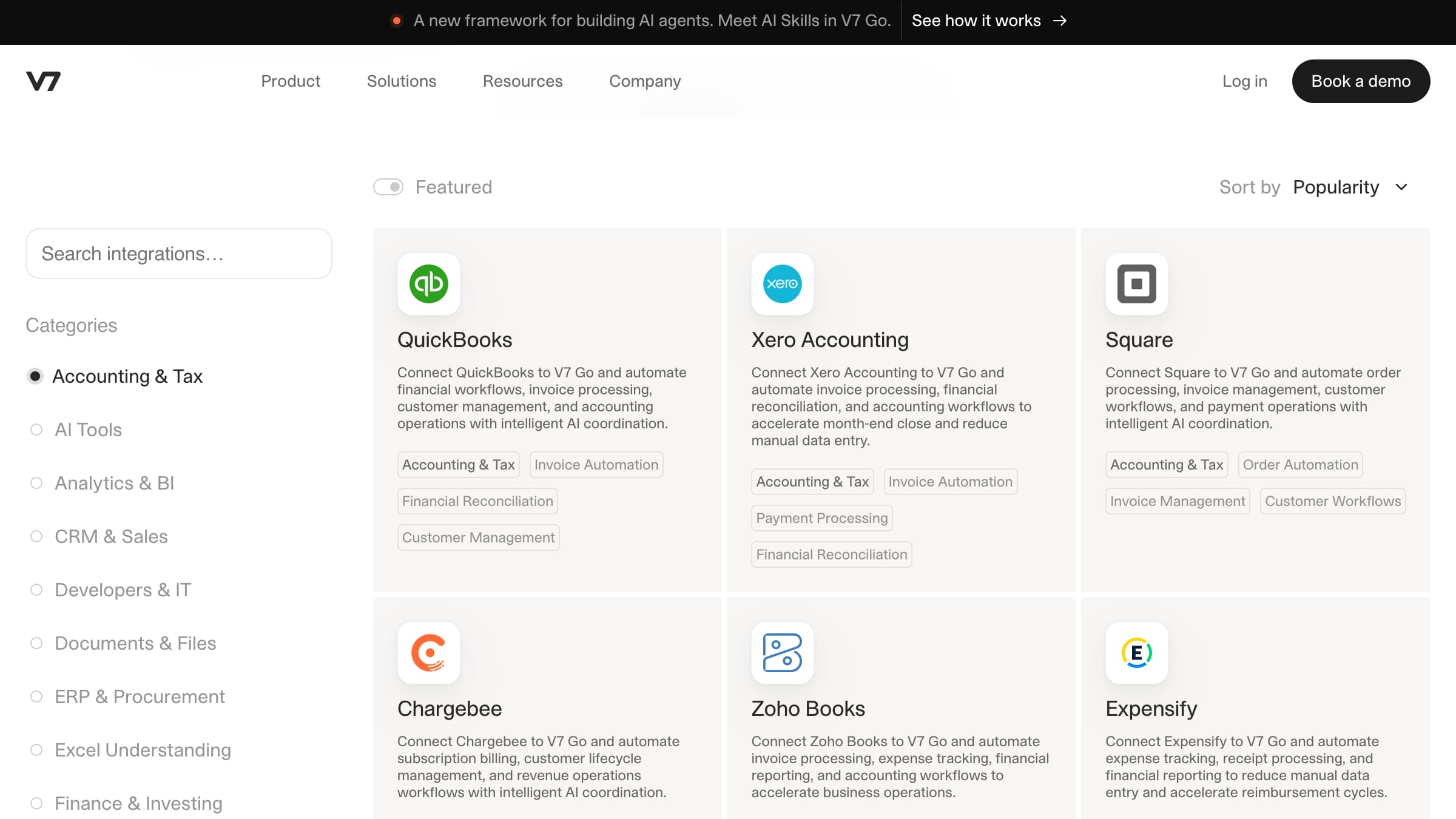
V7 Labs
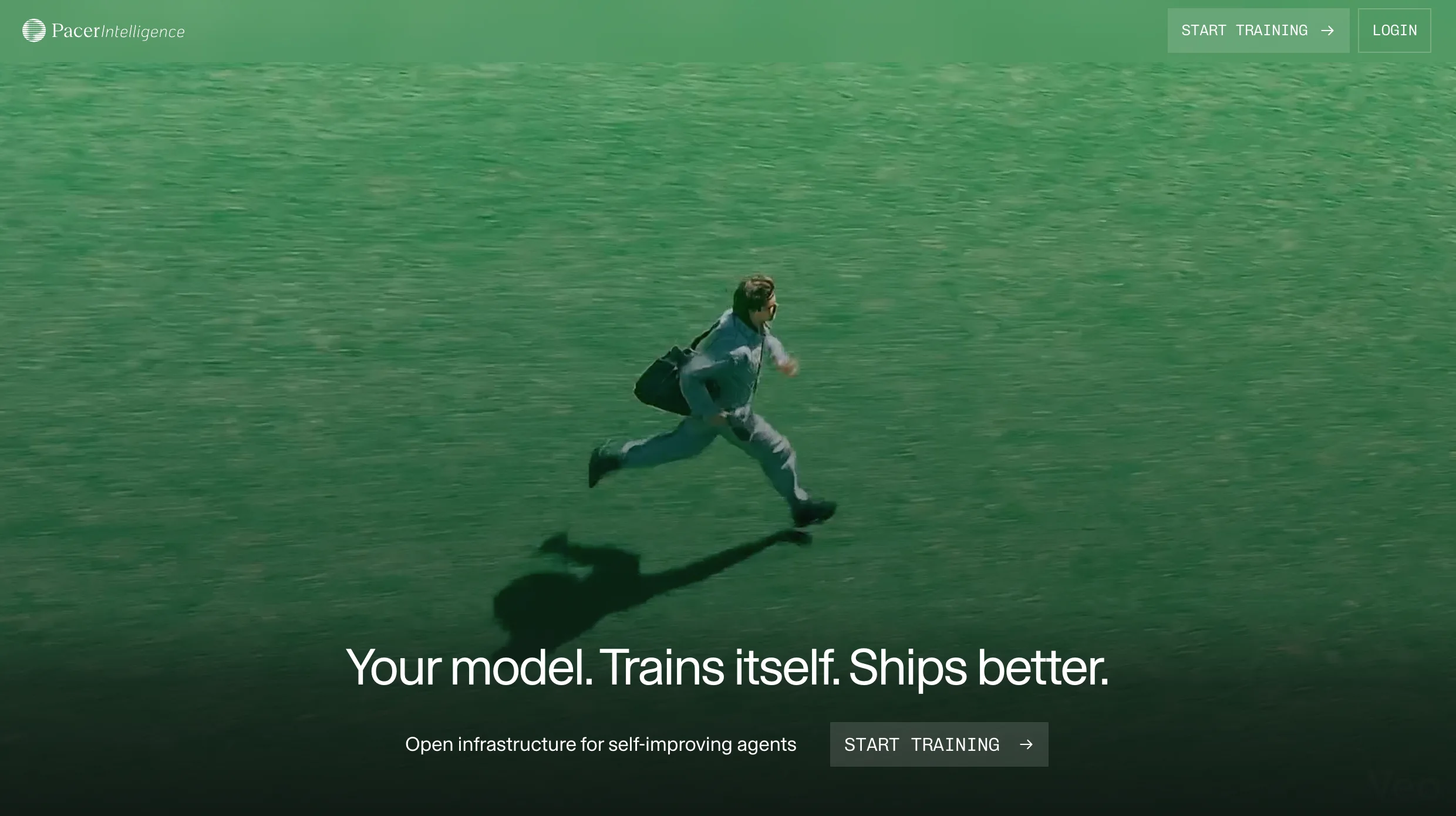
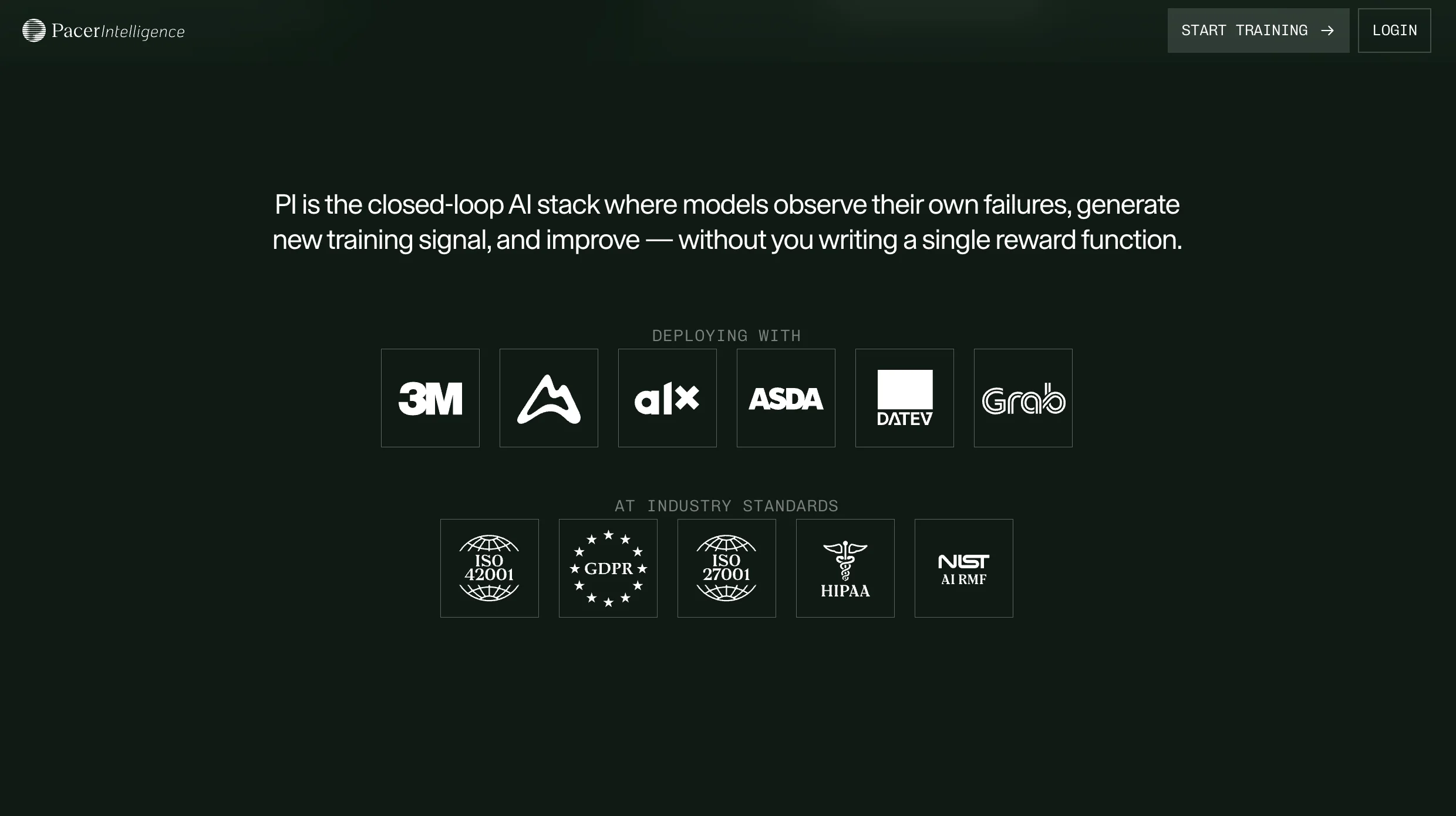
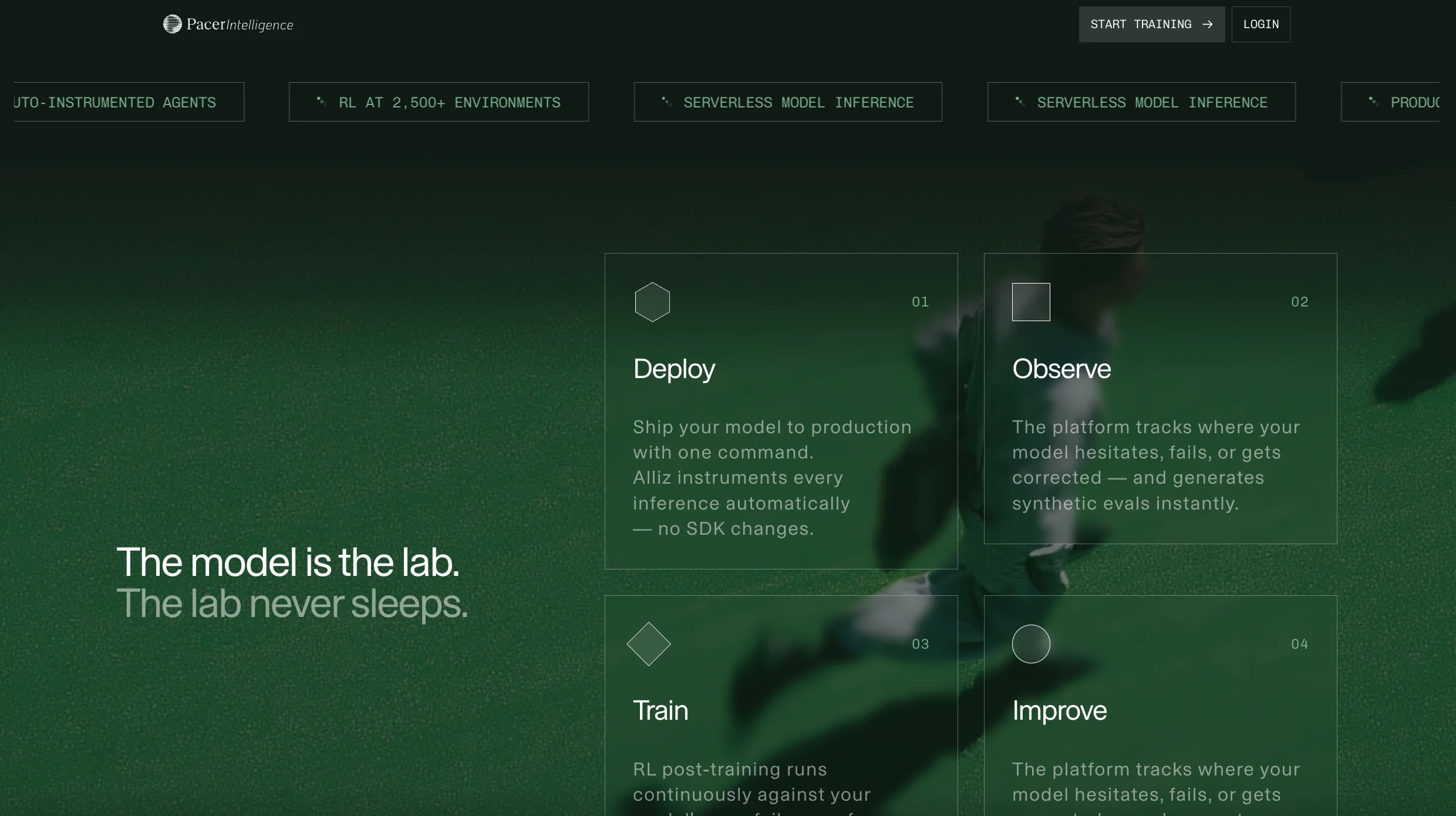
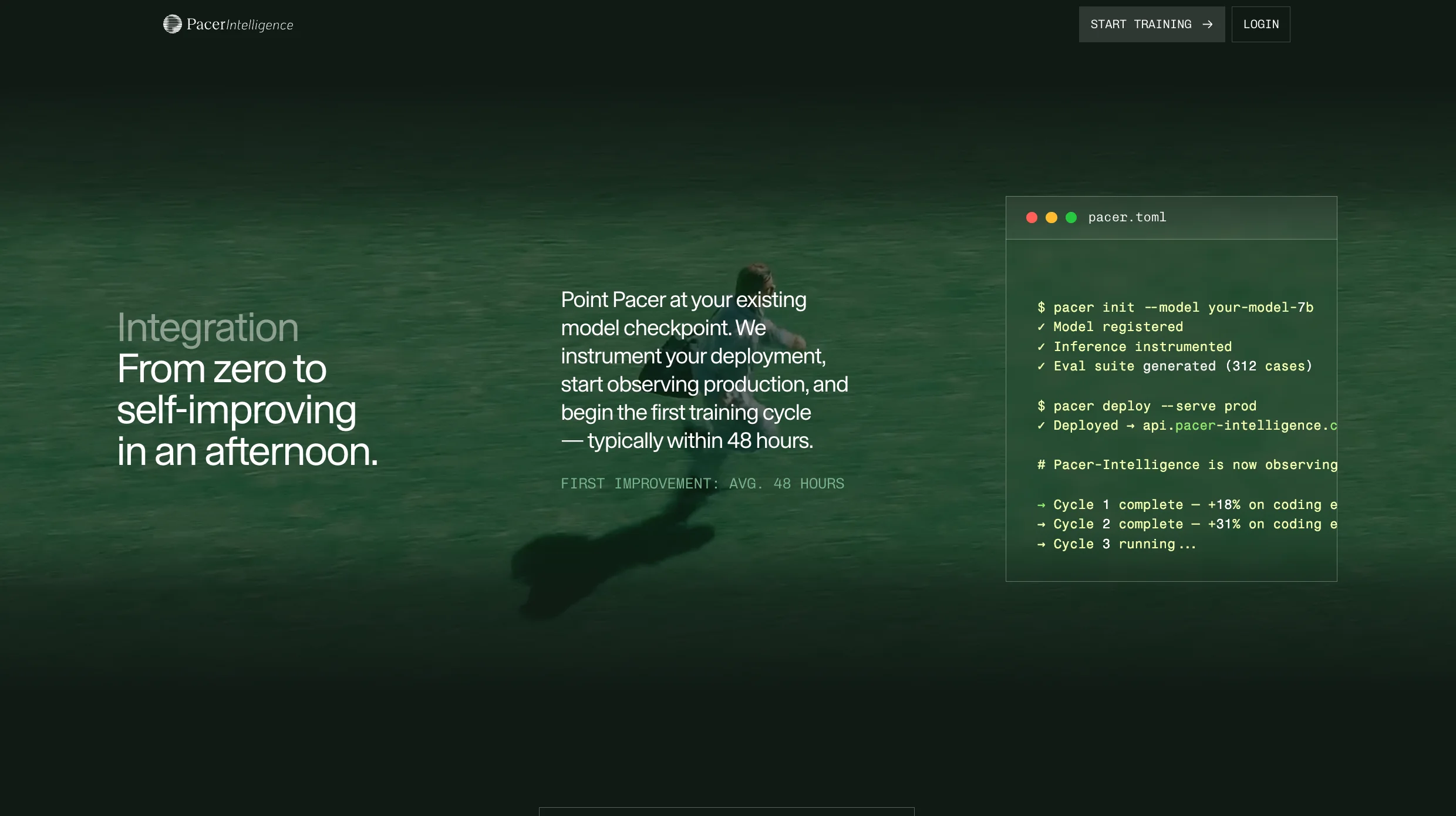
Pacer Intelligence
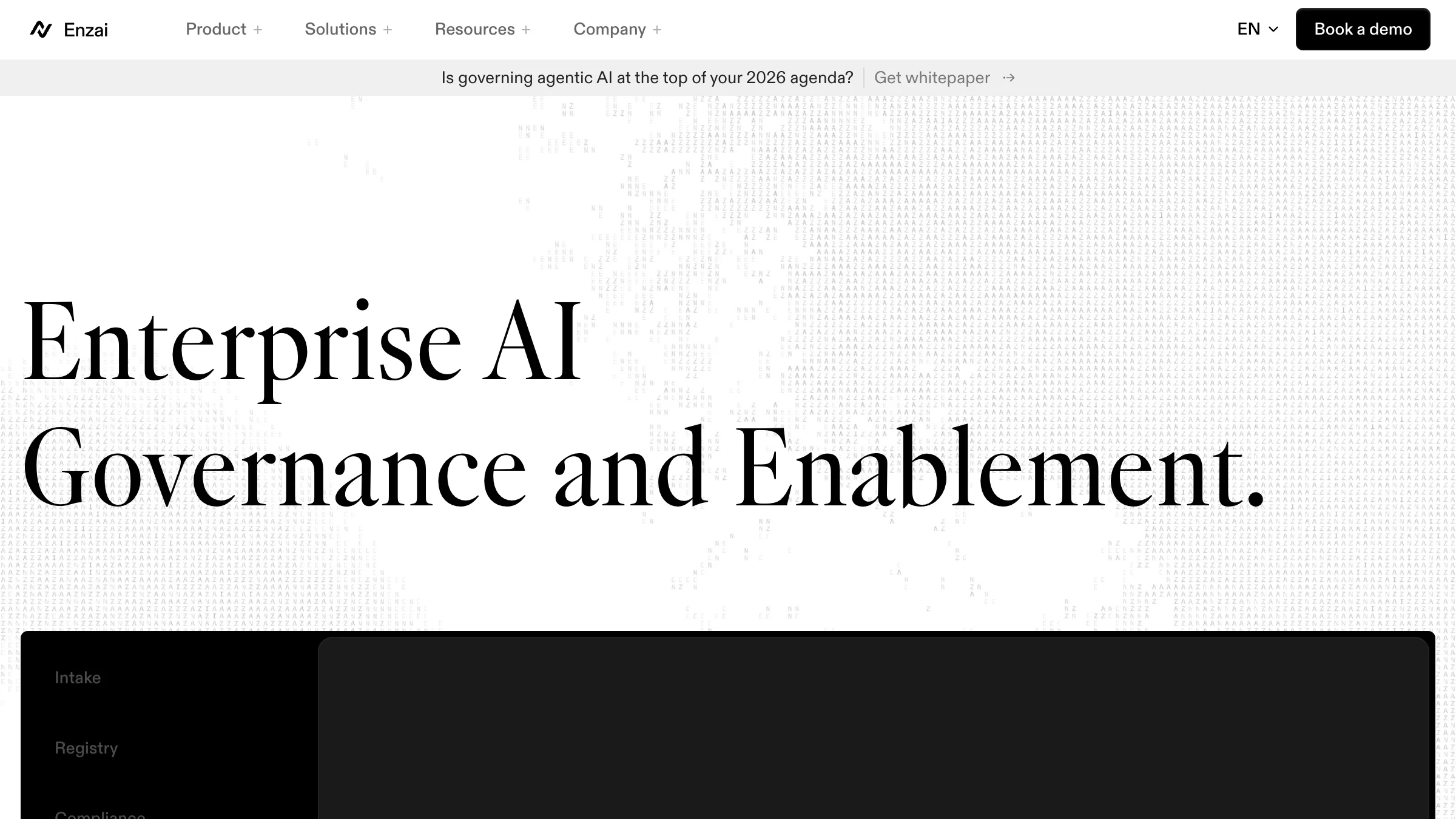
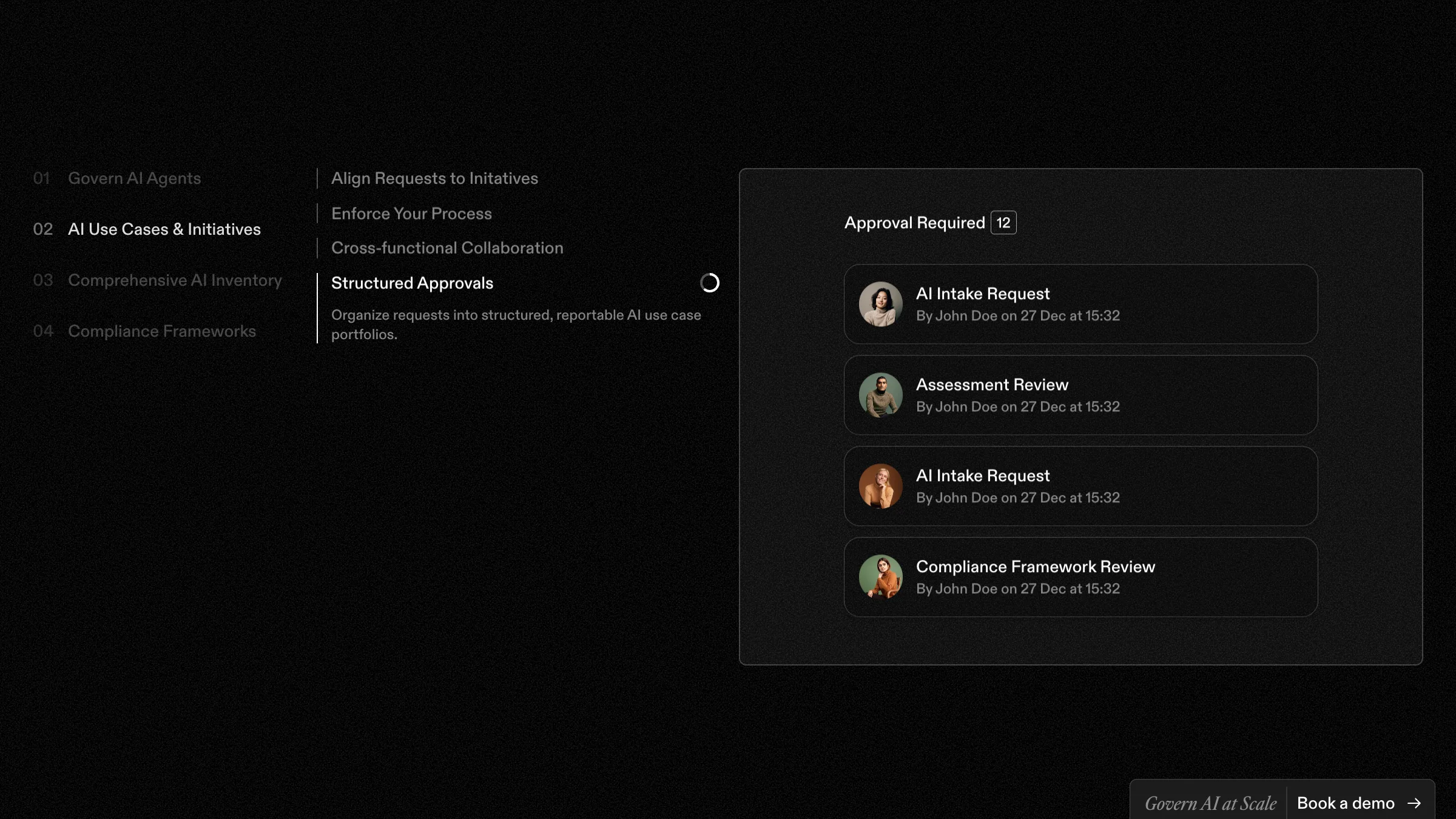

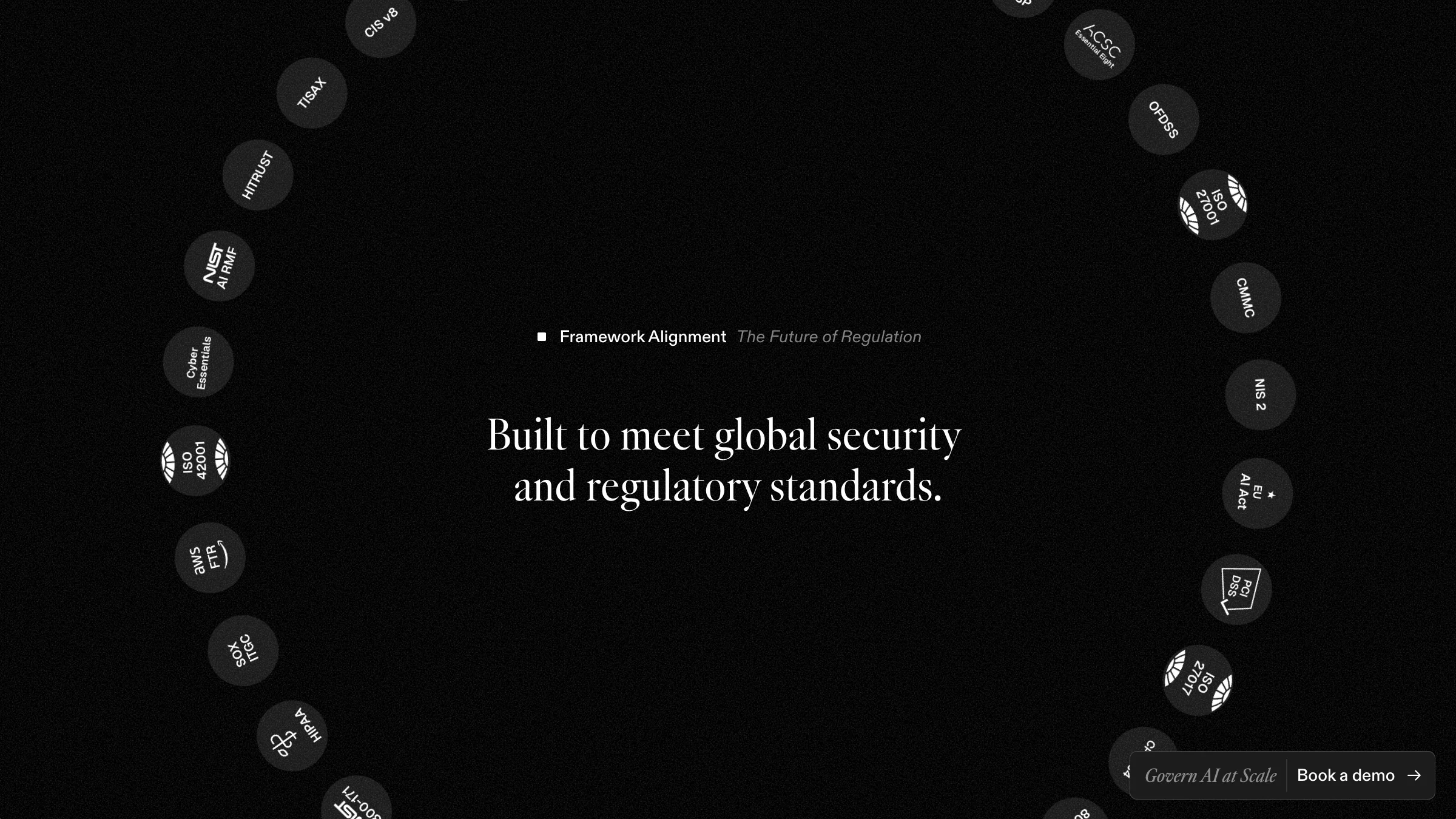
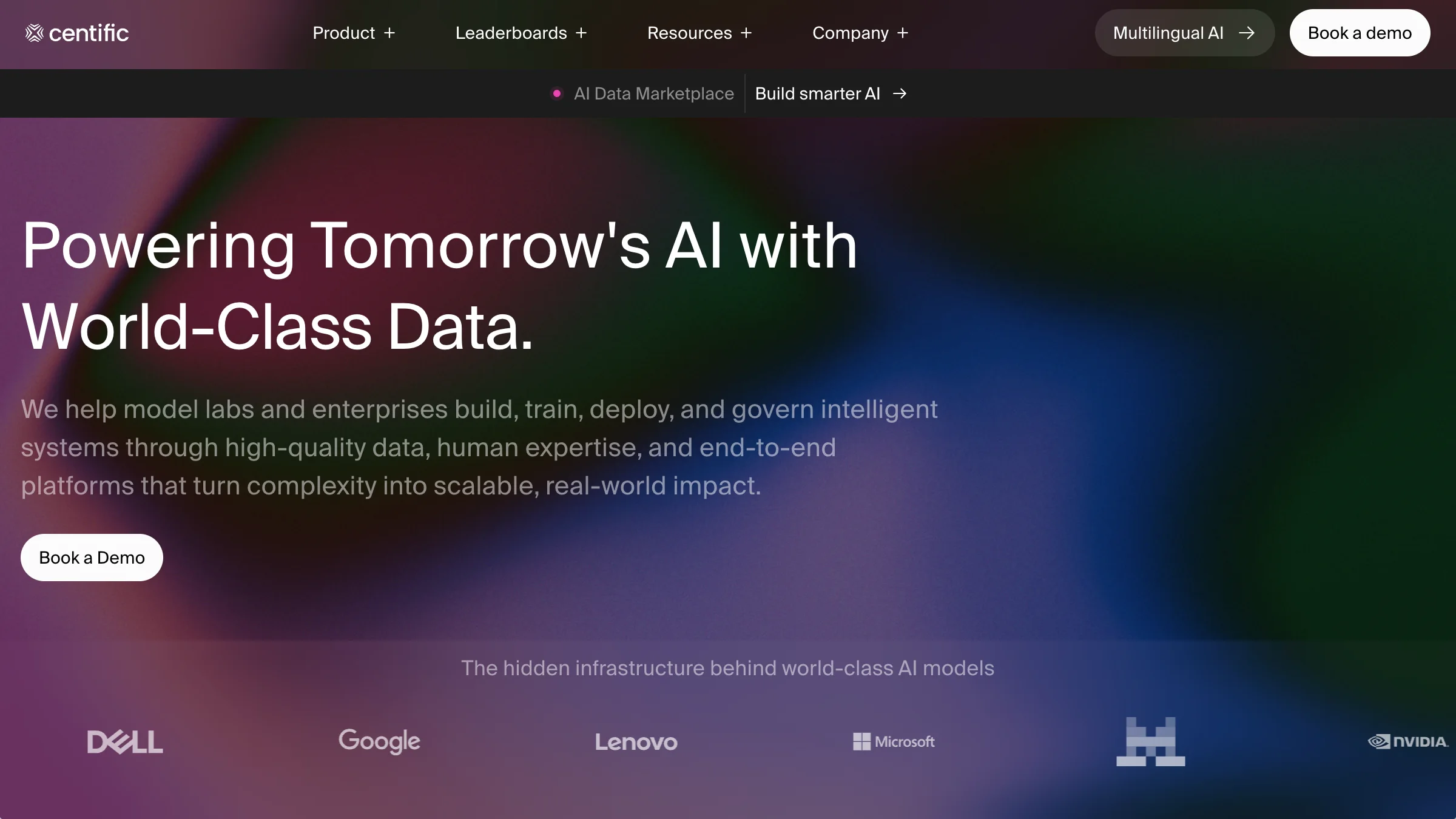
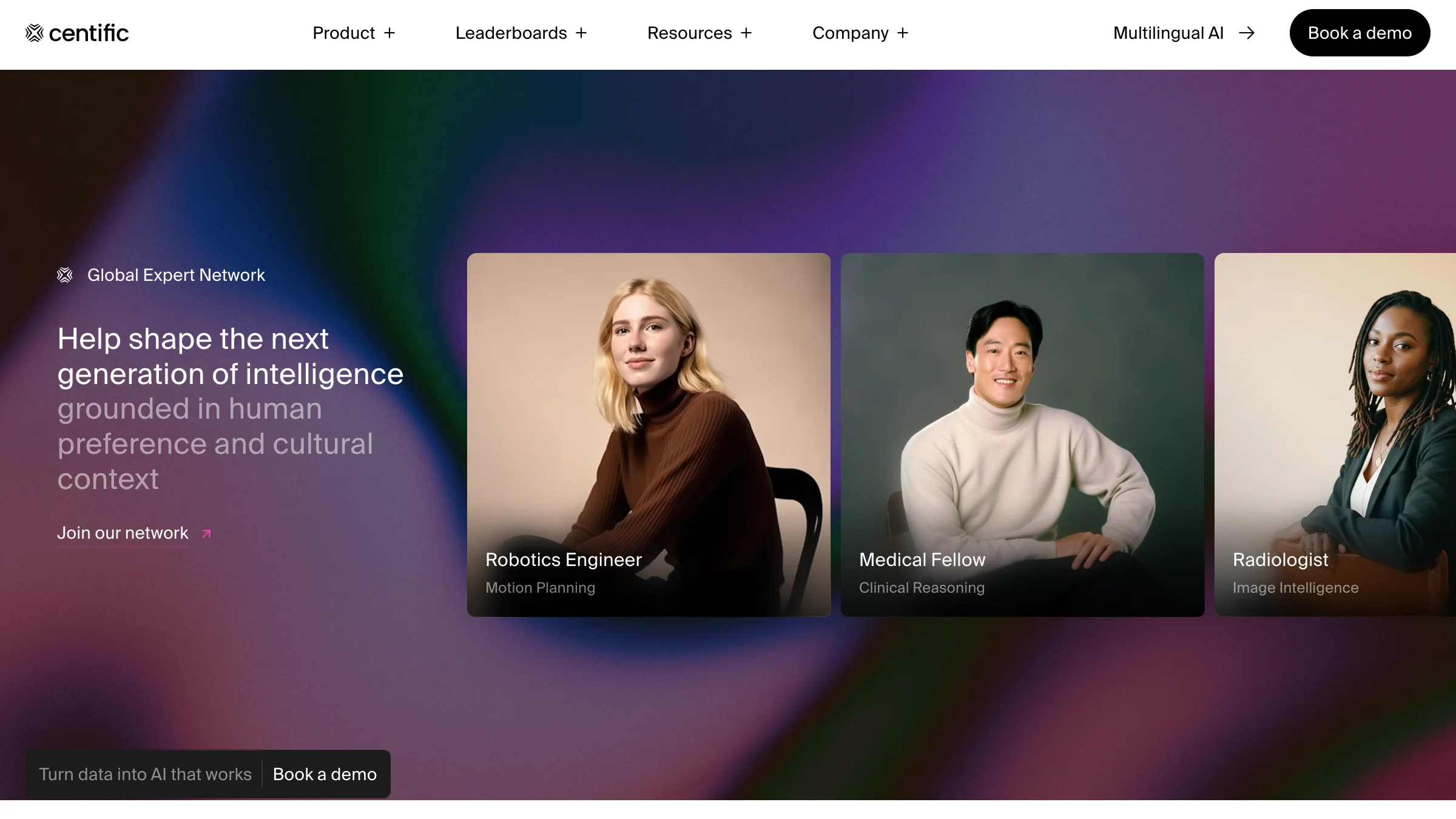
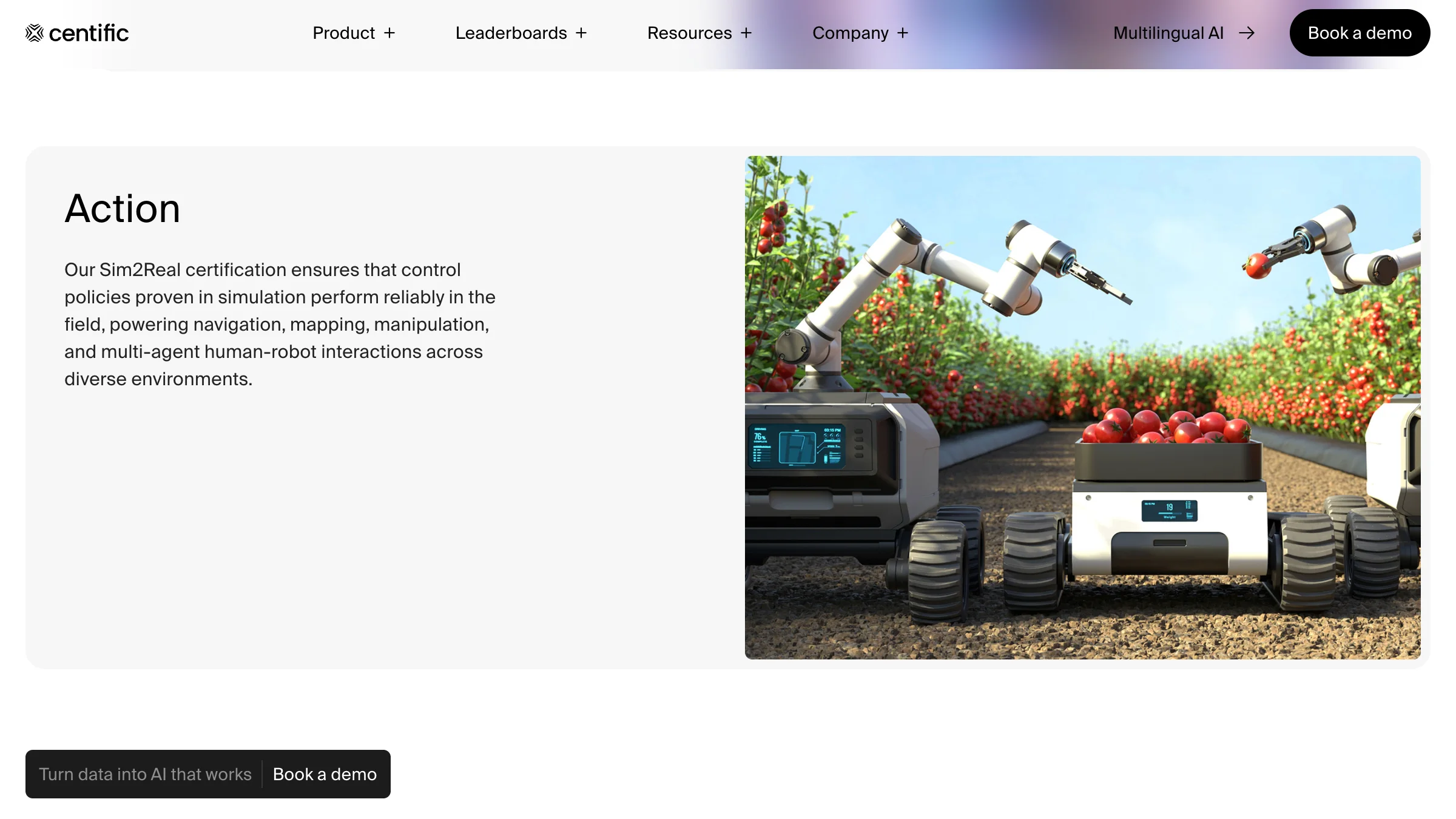
Centific

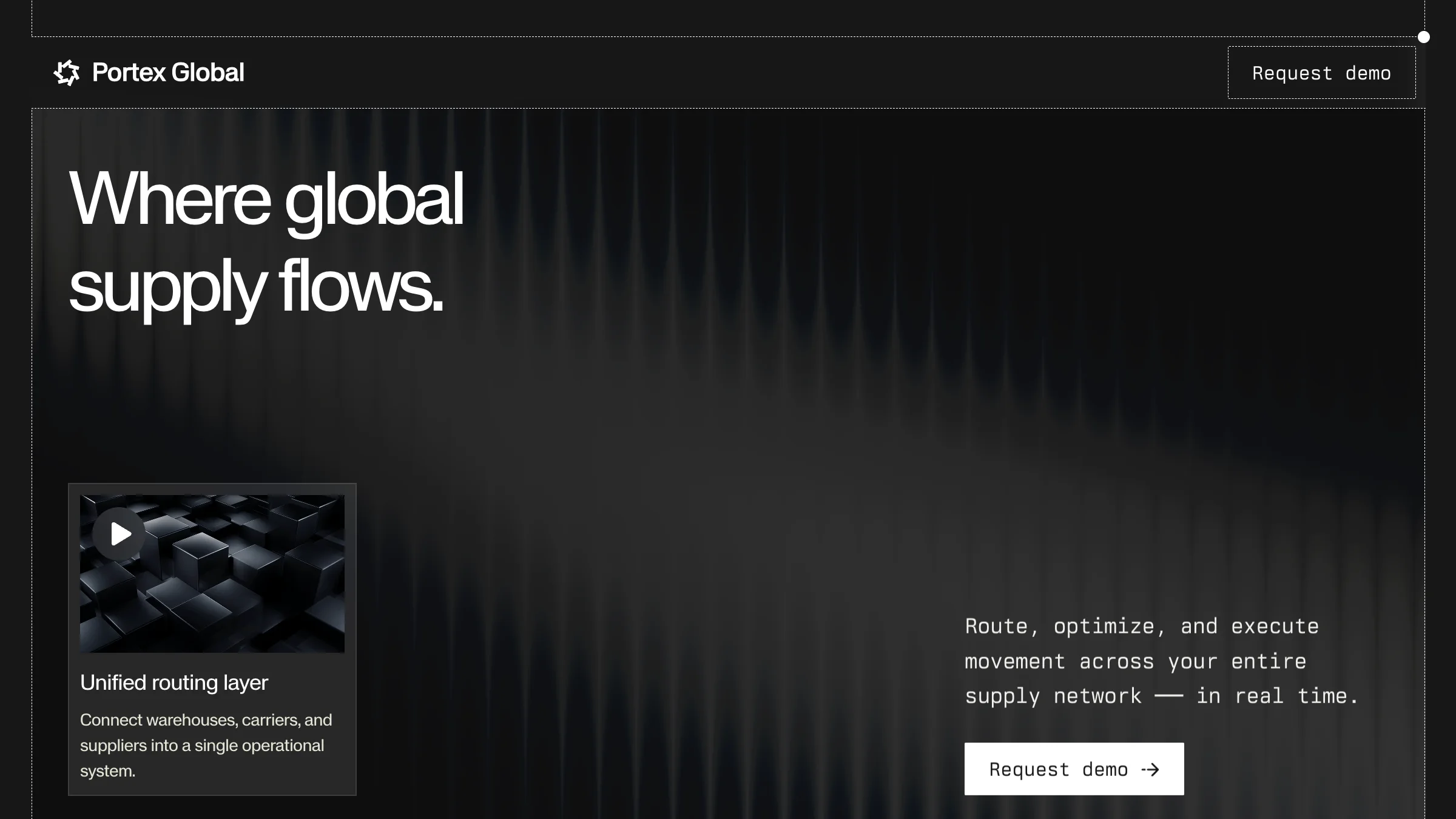
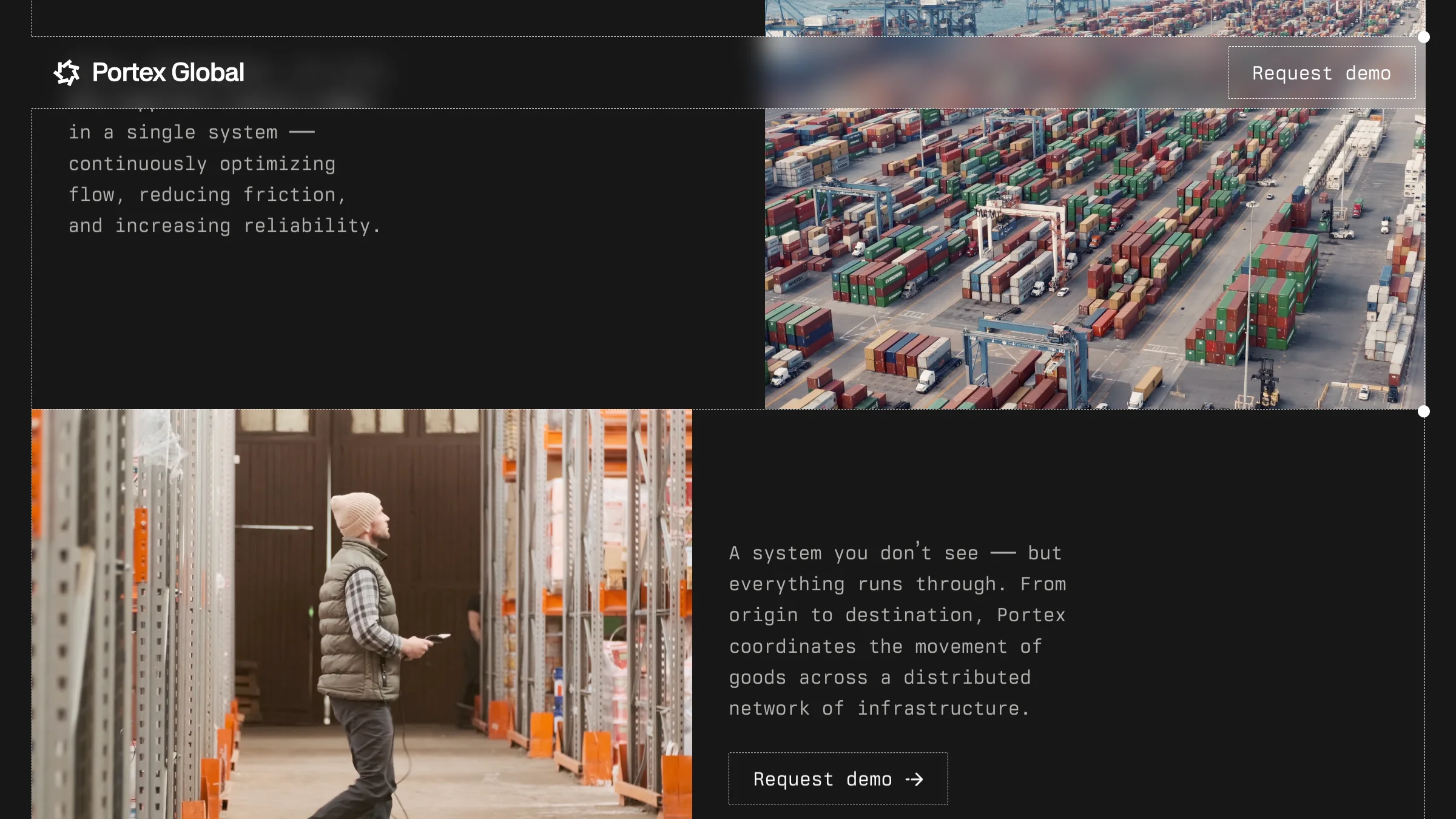
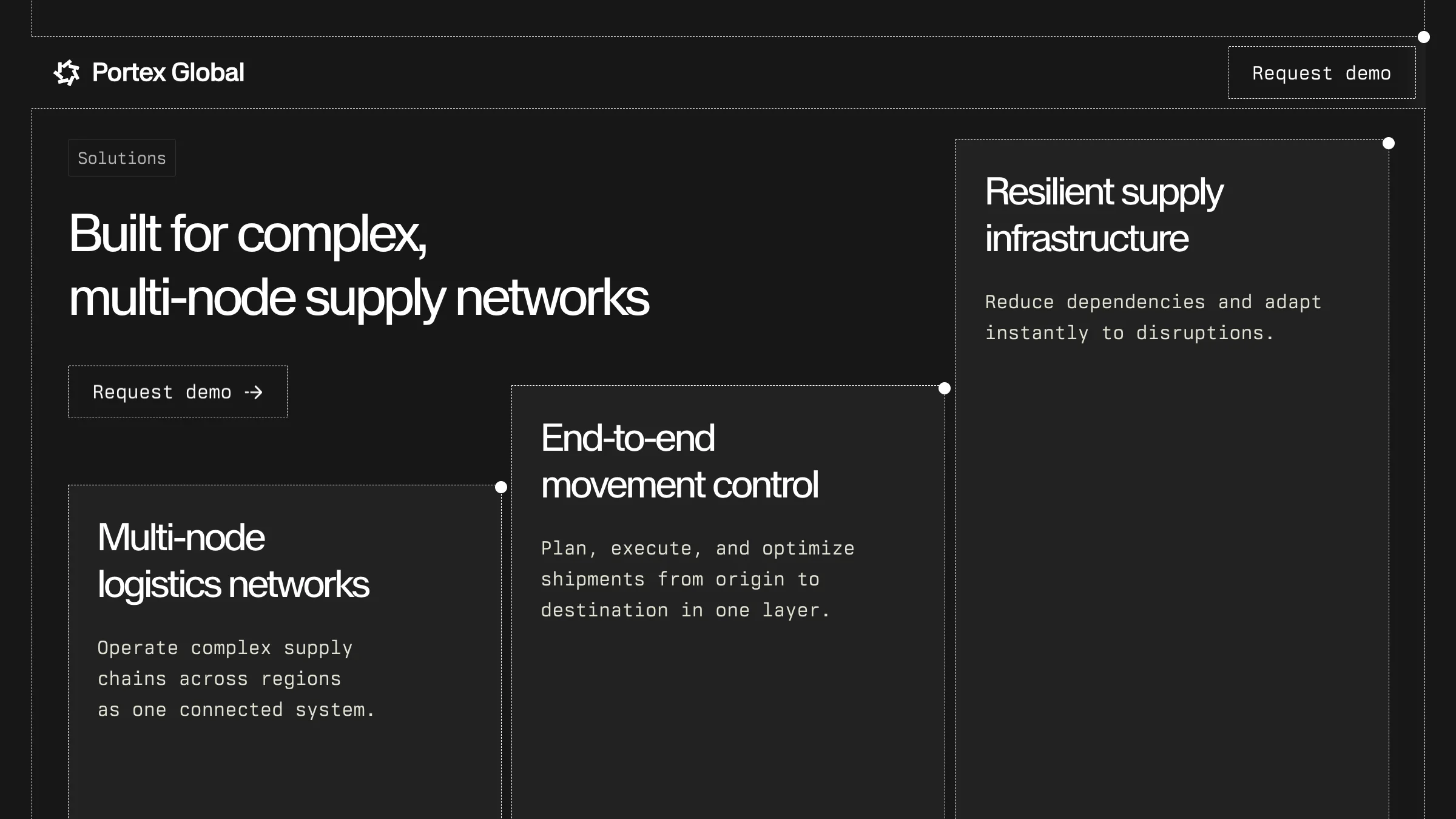
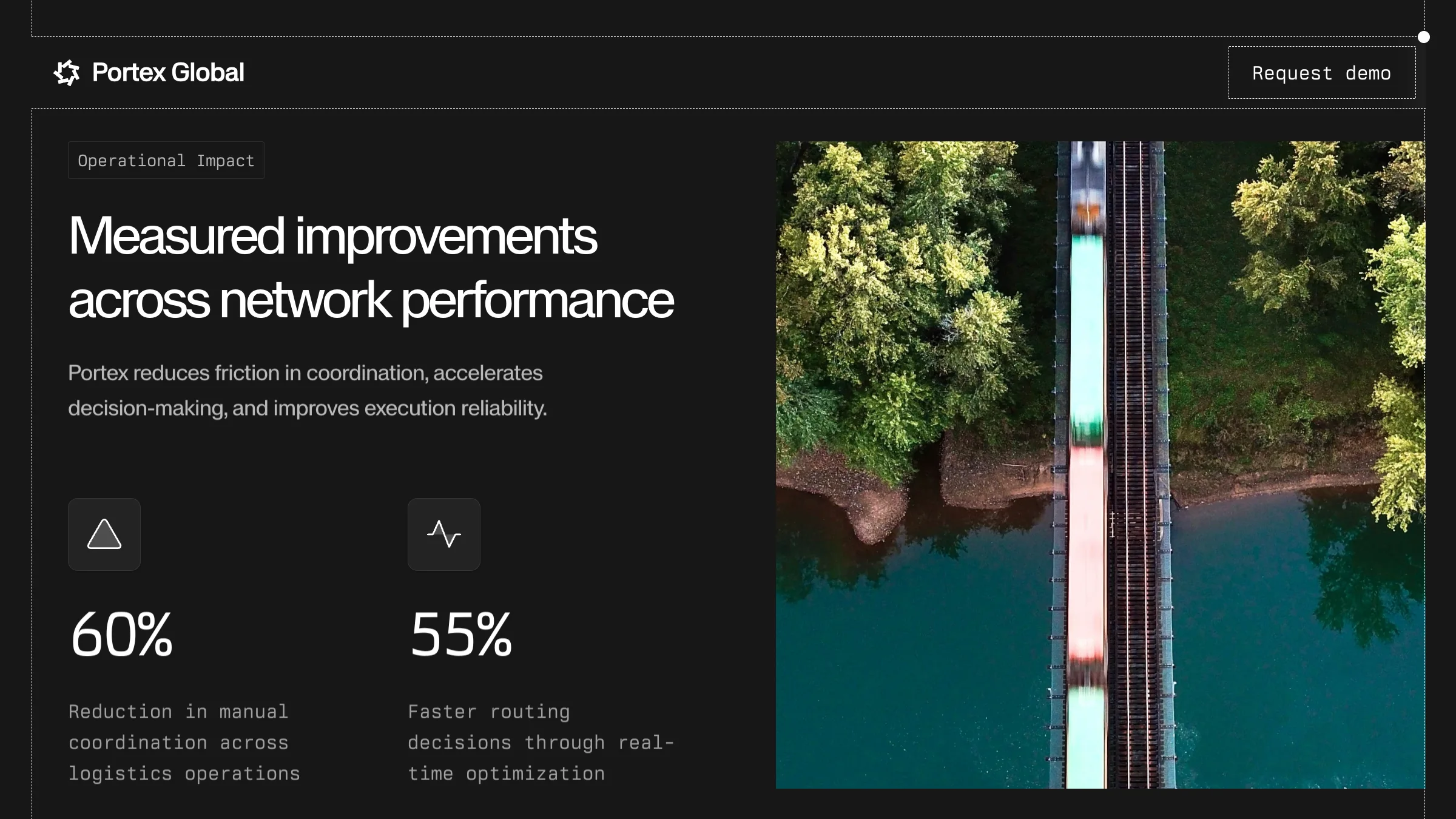
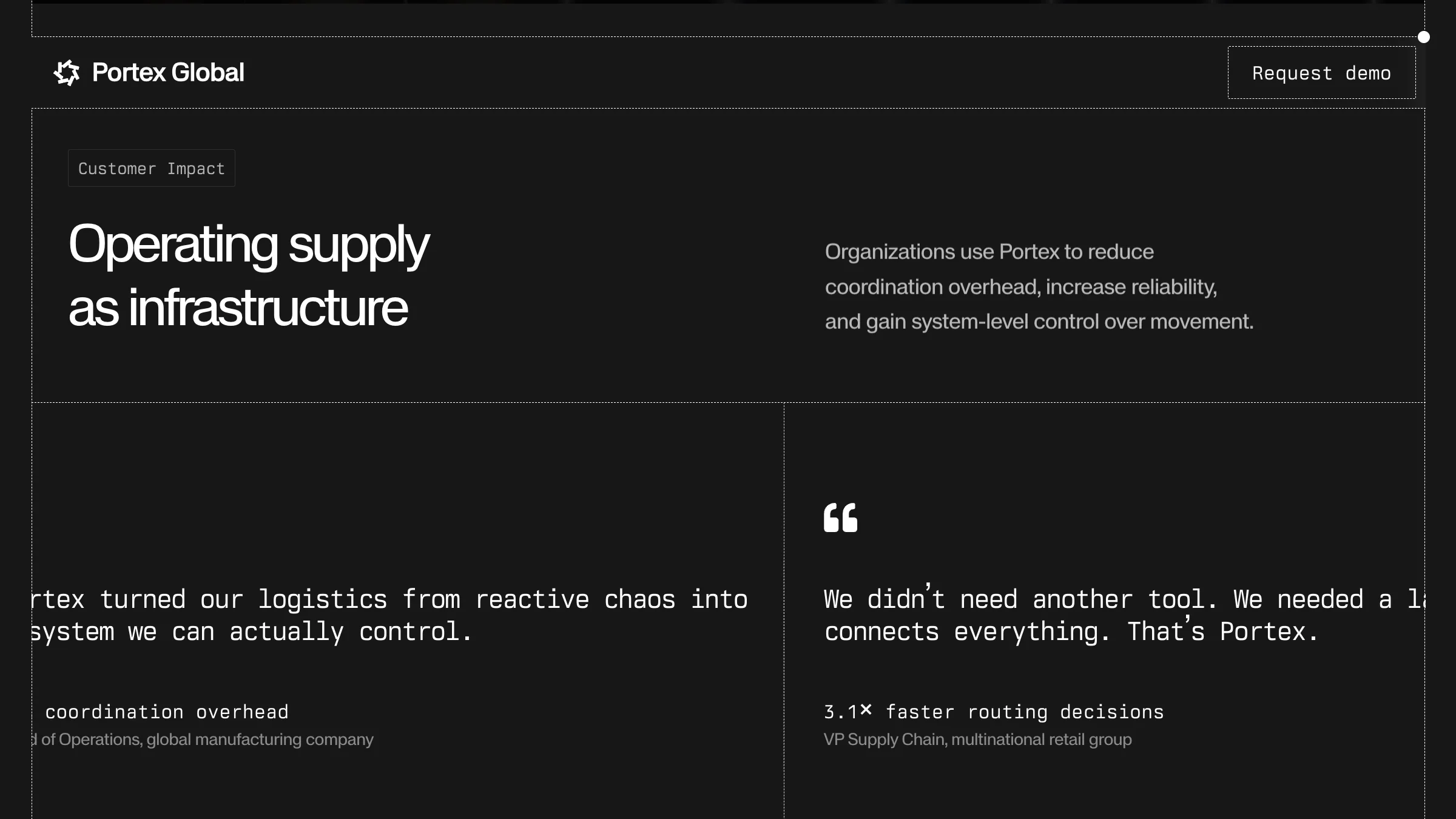
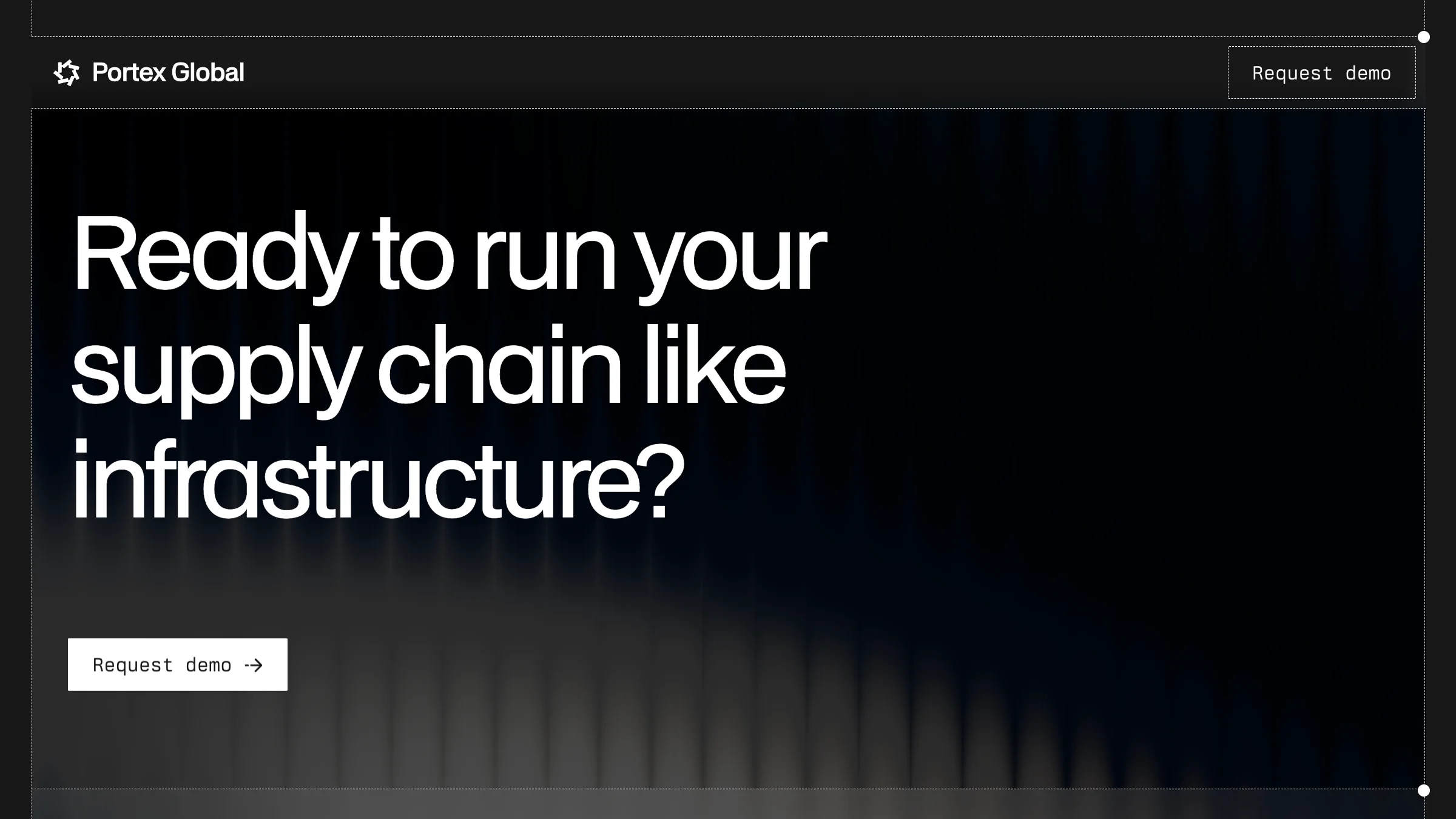
Portex Global
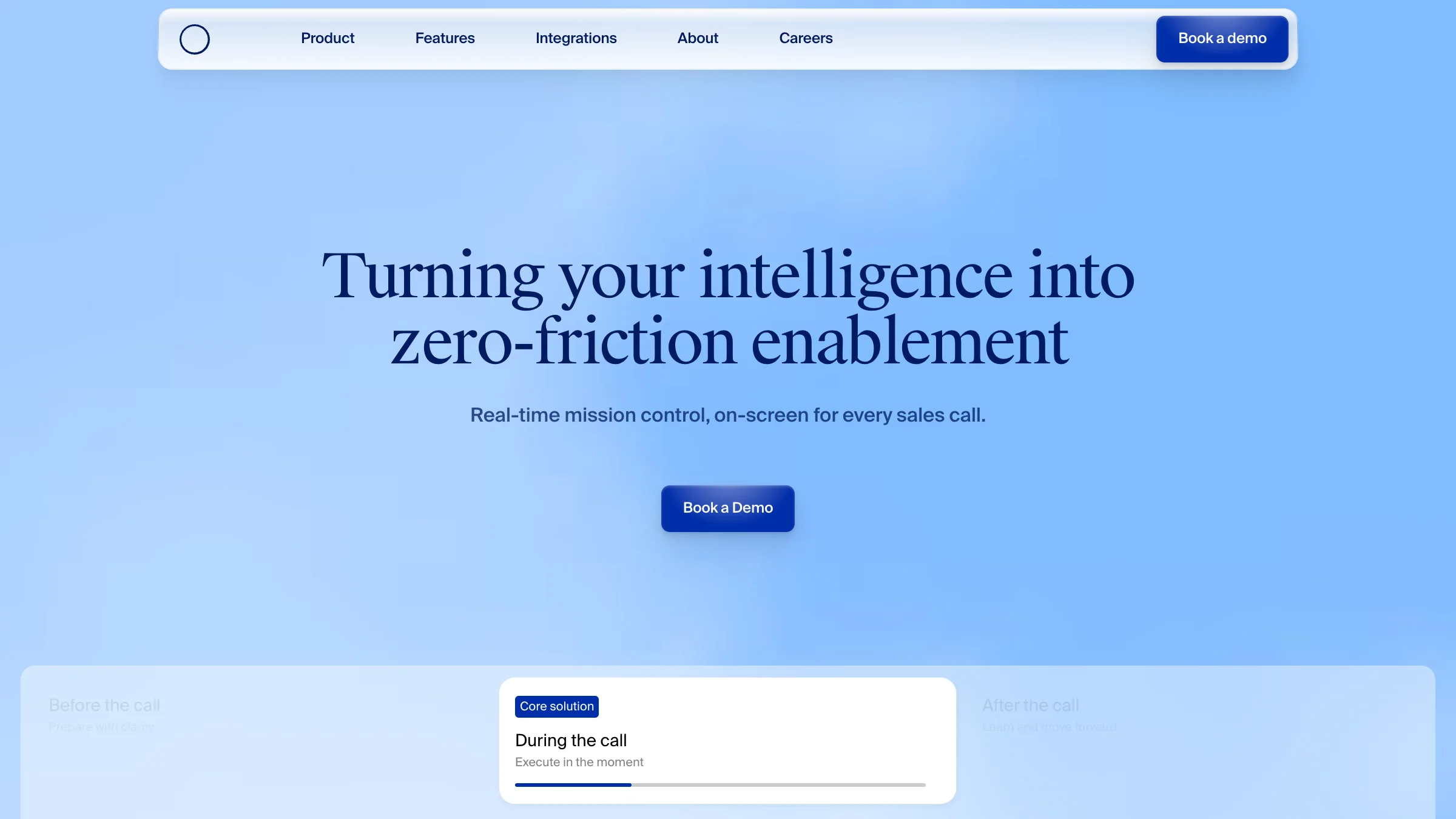
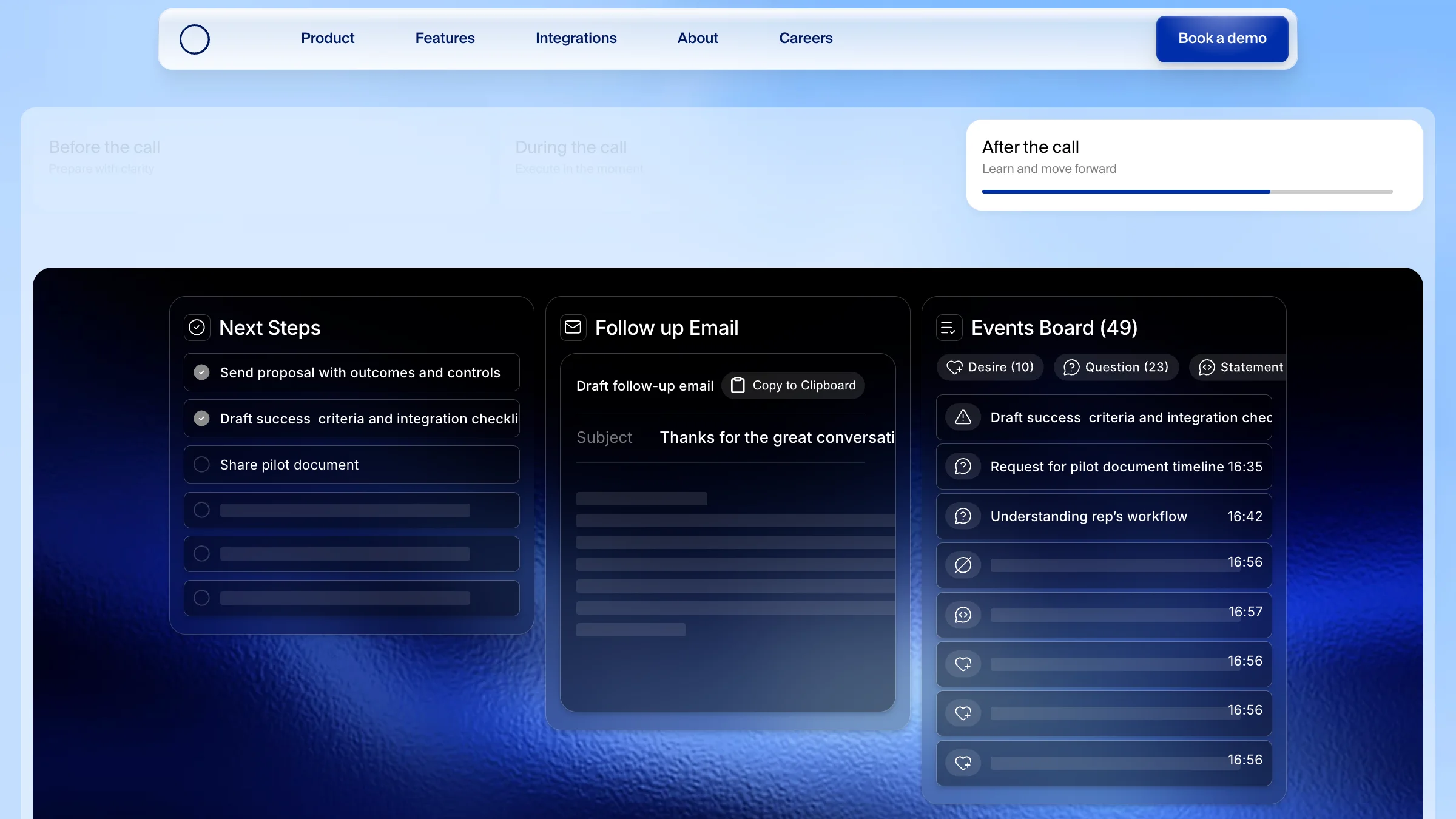
Othello AI
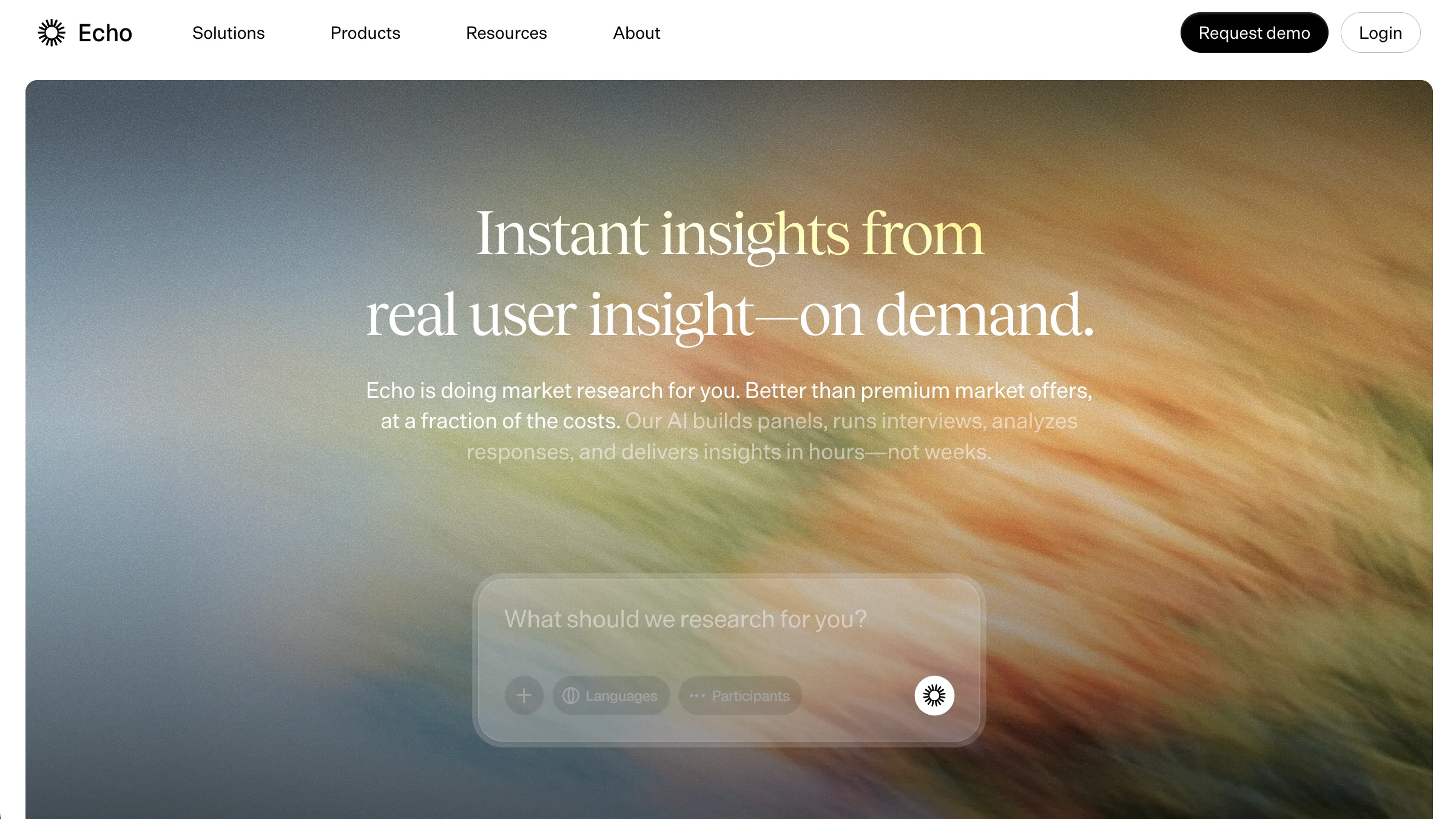
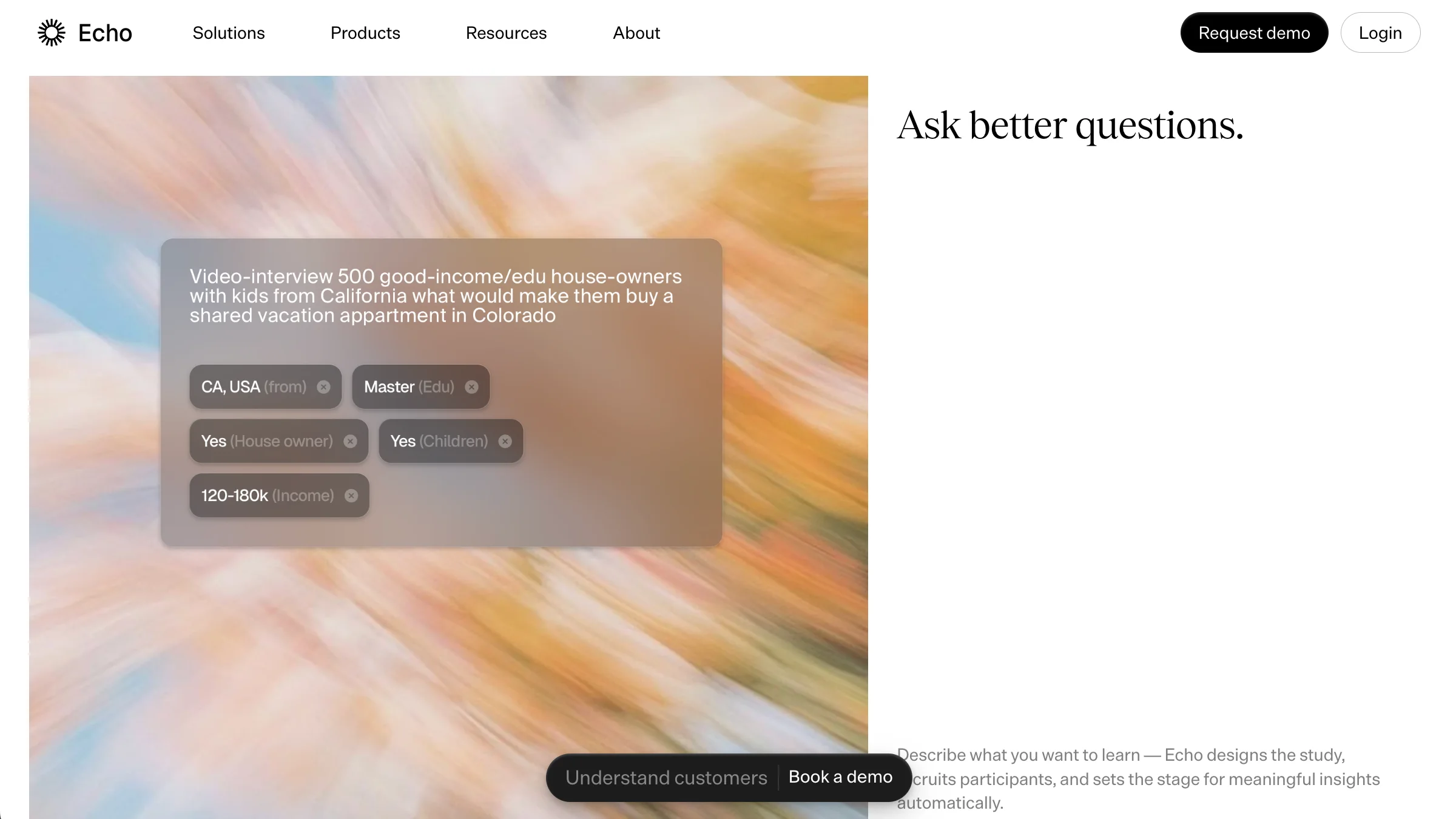
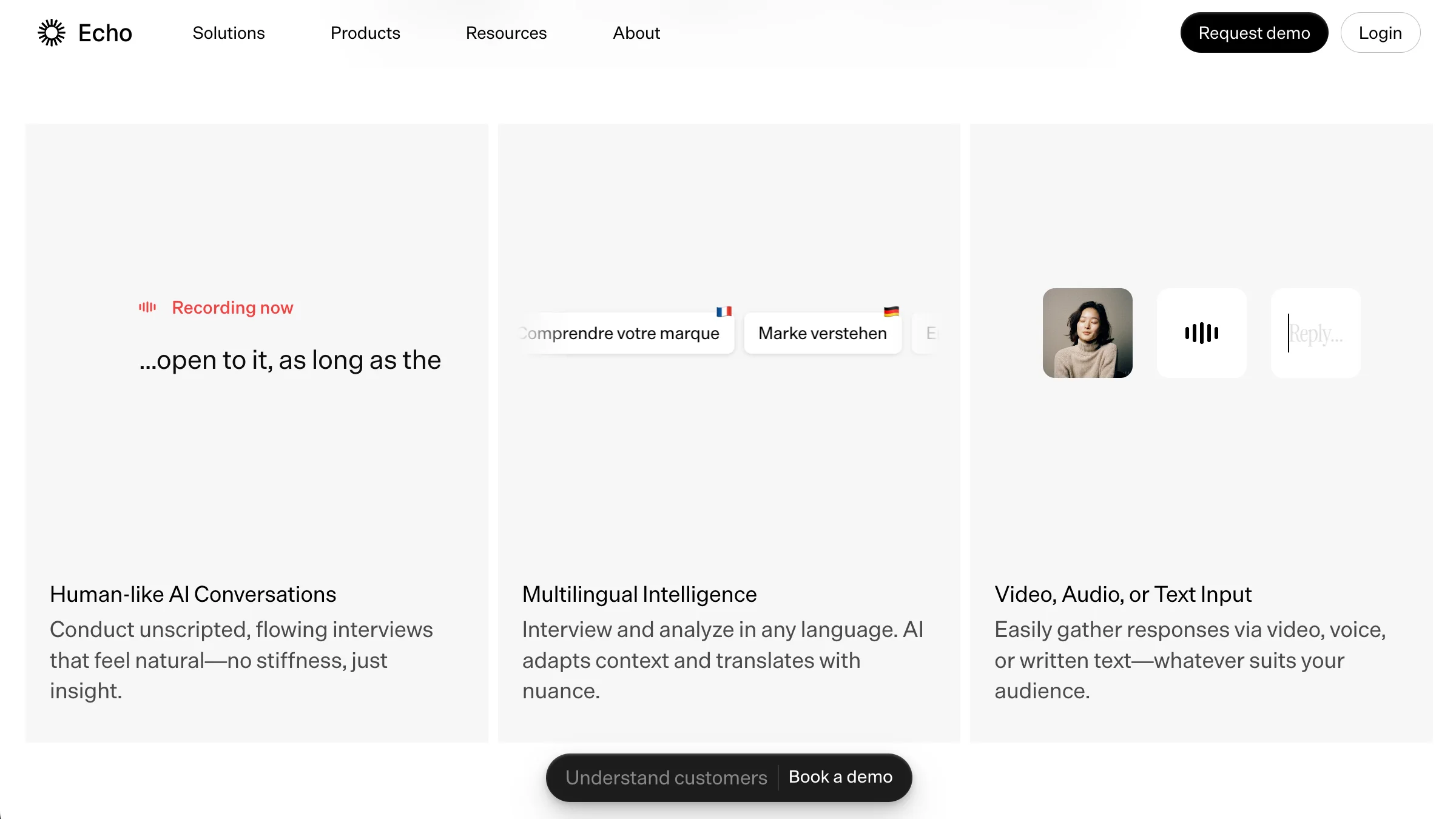
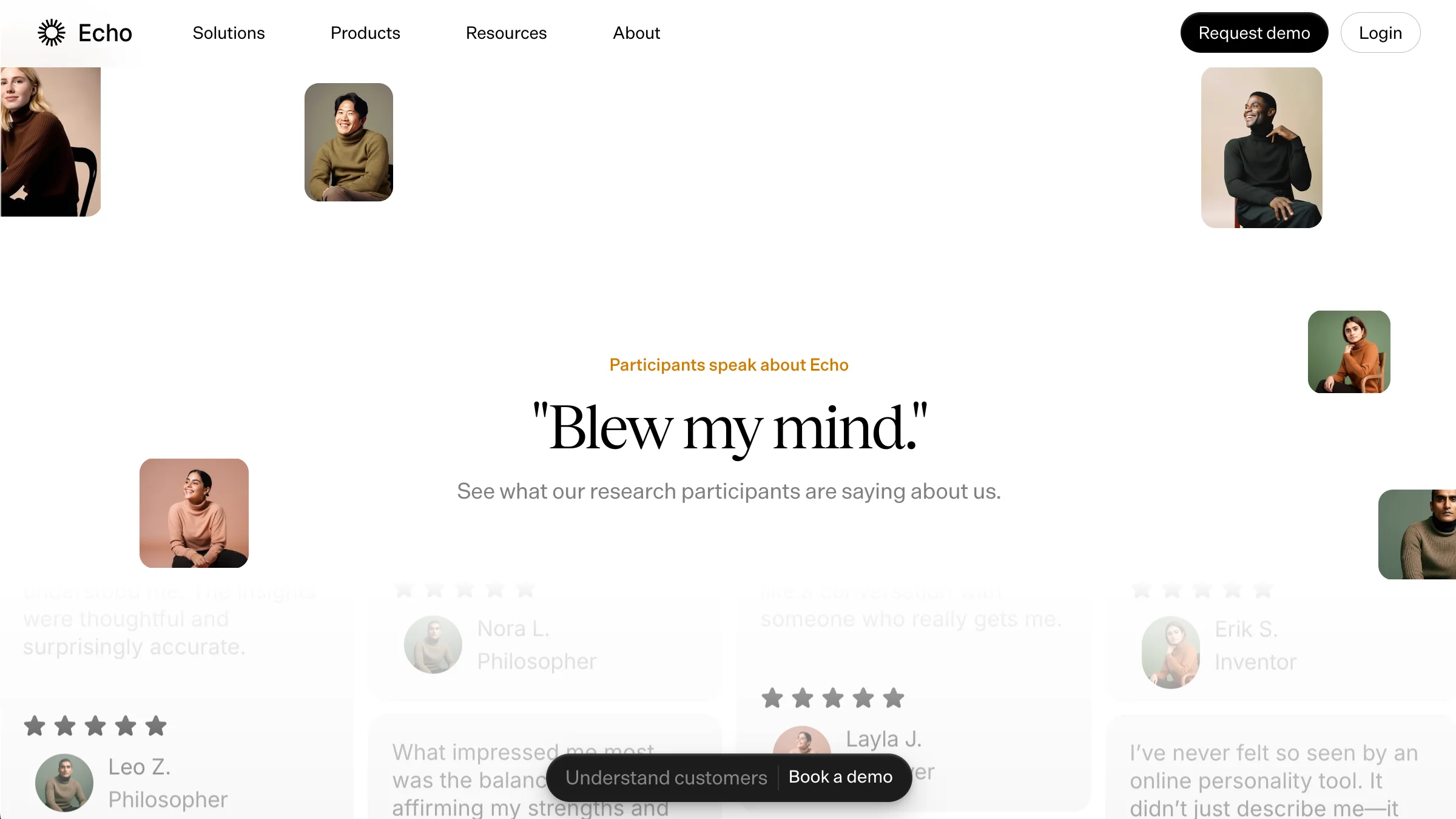



Contentcloud