Our Studio
About Allsite
At a glance
Allsite at a glance
Allsite is a Berlin-based design and development studio for funded AI, fintech and software companies, typically from Series A to Series C.
- Company
- Allsite (also known as Allsite Studio), a design and development studio for brands and websites. We shape the brand, build the marketing website and keep it growing after launch.
- Based in
- Berlin, Germany. Works with clients in the United States first, then Israel and Europe, most of them venture-backed.
- Founder
- Benjamin Libor. Leadership roles at three decacorns and one unicorn: special projects lead at Zalando, Head of Mobile at Rocket Internet, Global VP Marketing at HelloFresh, VP Mobile at Home24. More
- Recognition
- Golden Kitty Award on Product Hunt (Spreadshare), 12 Apple Best New App awards, Webby and Awwwards recognitions, featured in A1 Gallery and SaaSpo.
- What we do
- Brand and websites: positioning, brand identity and marketing websites built in the stack you need, with CMS, SEO, AEO and support after launch. More
- Who it's for
- Venture-backed AI and fintech companies, Series A to IPO. B2B and enterprise only. More than 80% of clients are AI companies, more than 40% work in finance.
- Pricing
- Fixed-price website projects from €20,000. Retainers and daily rates for ongoing work. More
- Timeline
- Most projects take 3 to 4 weeks from kickoff to launch.
- How to start
- Book an intro call. You get a proposal with scope, timeline and a fixed price within 24 hours, and a designed homepage 3 days after kickoff. More
Updated
Design Thesis
What we believe
01 On Differentiation
Product alone stops being the moat. How clearly you communicate becomes the advantage.
02 On Taste
The tools to look good have never been cheaper. Looking distinct has never been harder.
03 On Agencies
Most agencies deliver a website that looks like everyone else's, then disappear.
04 On Craft
We design every brand for one company. No templates, no house style, nothing borrowed from the last client.
05 On AI Builders
AI-generated sites are easy to ship and hard to own. They also all look the same.
06 On Ownership
Most companies don't have a single person who owns the website.
07 On Org Drag
When nobody owns the website, everybody slows it down.
08 On Scale + Character
A site has to hold up at scale and still look like nobody else's. We don't trade one for the other.
09 On Clarity
You might have a clarity problem, not a marketing problem, and you're spending money to scale the confusion.
Why now
Past product-market fit, growth has to become repeatable. Positioning, design and marketing operations need to stay aligned as the company scales, instead of drifting with every launch.
Market research1
71%
of teams say conversion is their top KPI. Almost none can act on it.
(Conversion)76%
of founders call brand a top priority. Fewer than 1 in 4 have someone leading it.
(Priority Gap)61%
of companies replaced their agency in year one.
(Agency Churn)53%
of website work is edits, not improvements.
(Maintenance Trap)18 mo
Most companies rethink their positioning 18 months too late.
(Velocity)2 wks
AI writes copy in seconds. Getting it live still takes two weeks.
(Execution Gap)
1 State of Sites ’26 (Framer, March 2026), a survey of 1,900+ website professionals. External research, not Allsite client data.
What we do
Services
Clients ask us to
Turn website traffic into qualified pipeline. Earn the trust of enterprise buyers. Make a complex product easy to understand. Look investor-ready before the next raise. Launch a new brand and website in weeks, not months.
Who we work with
We work with
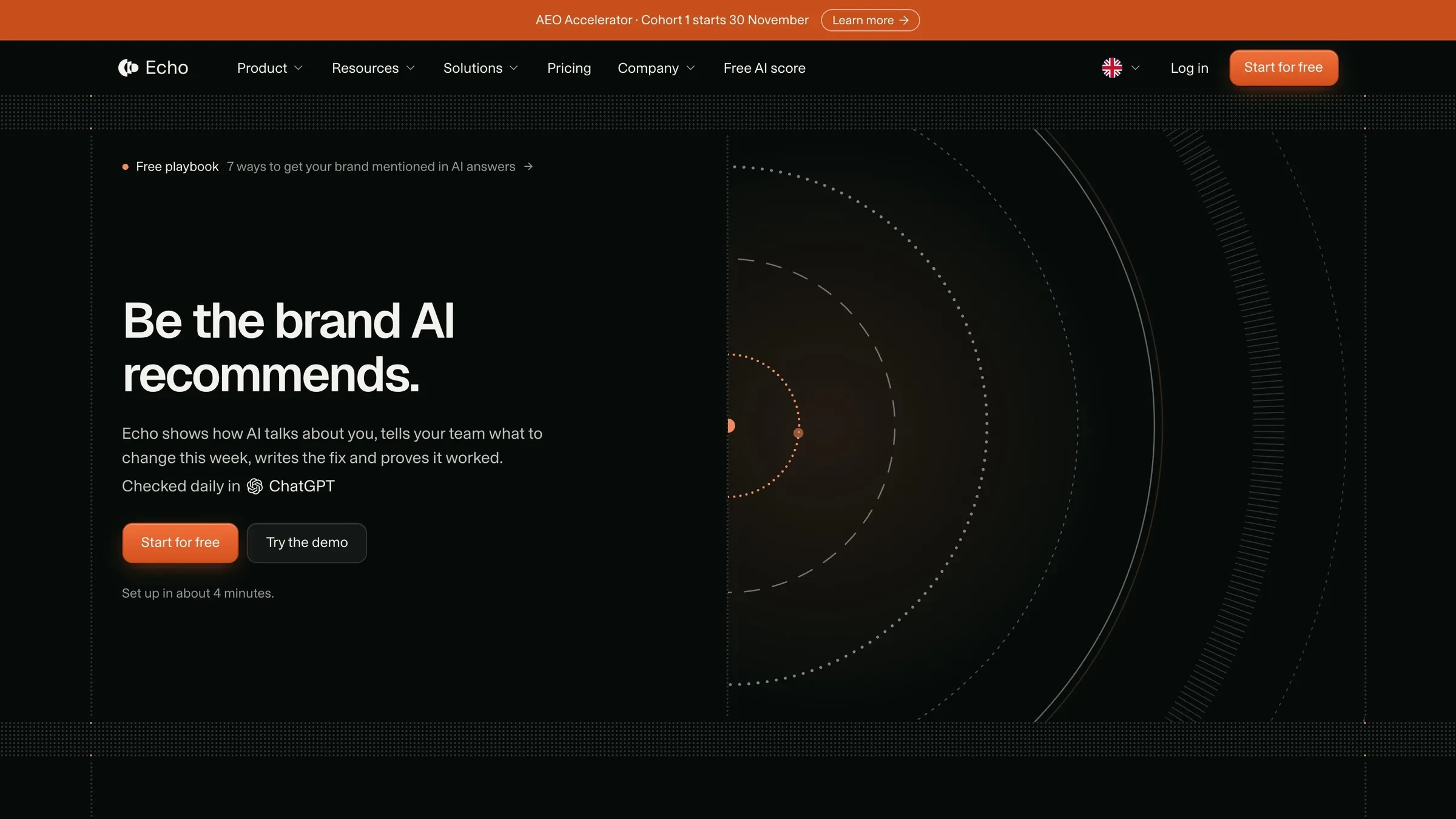
Echo AEO
Martech Software
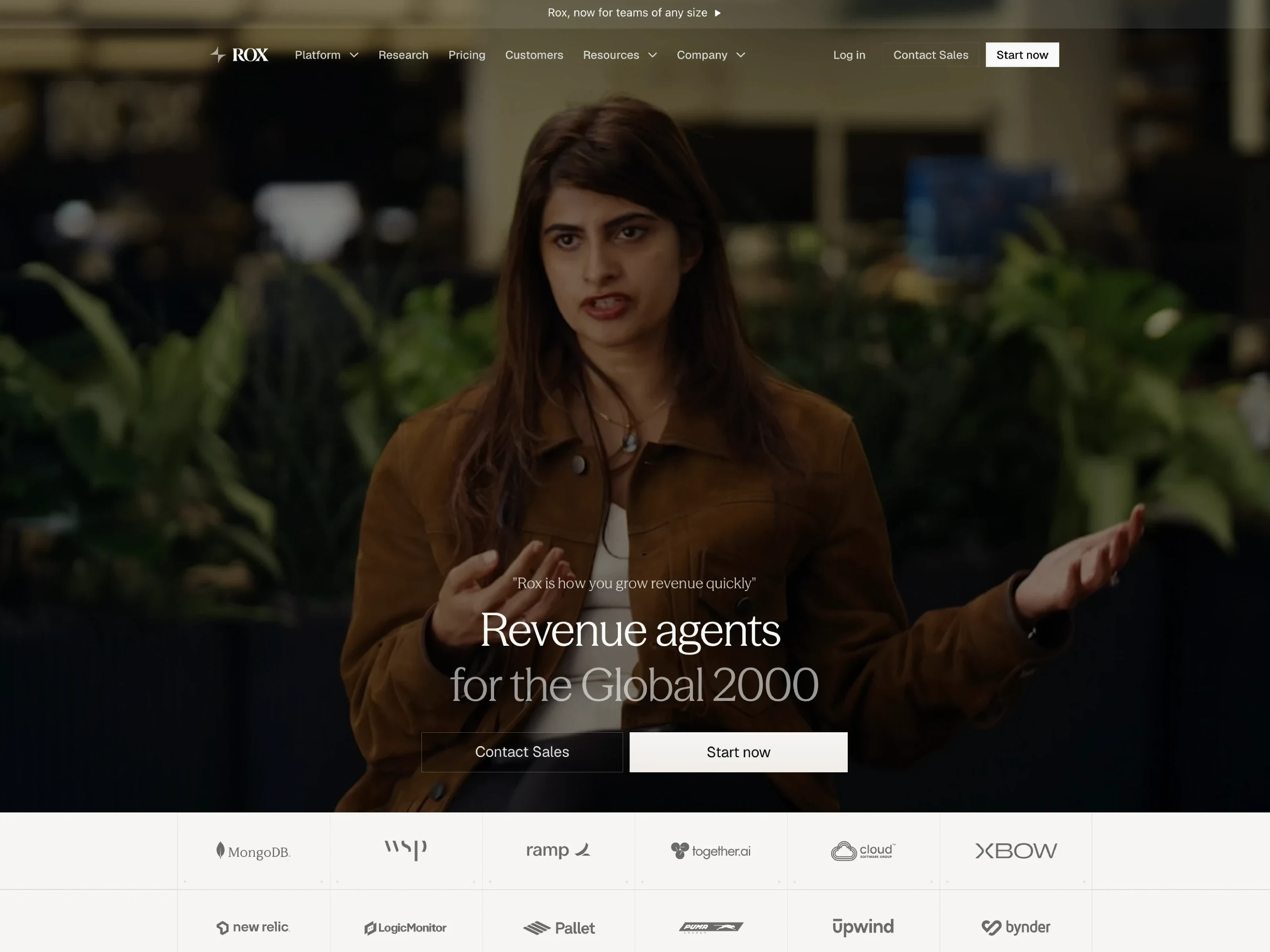
Rox
AI Revenue Operations
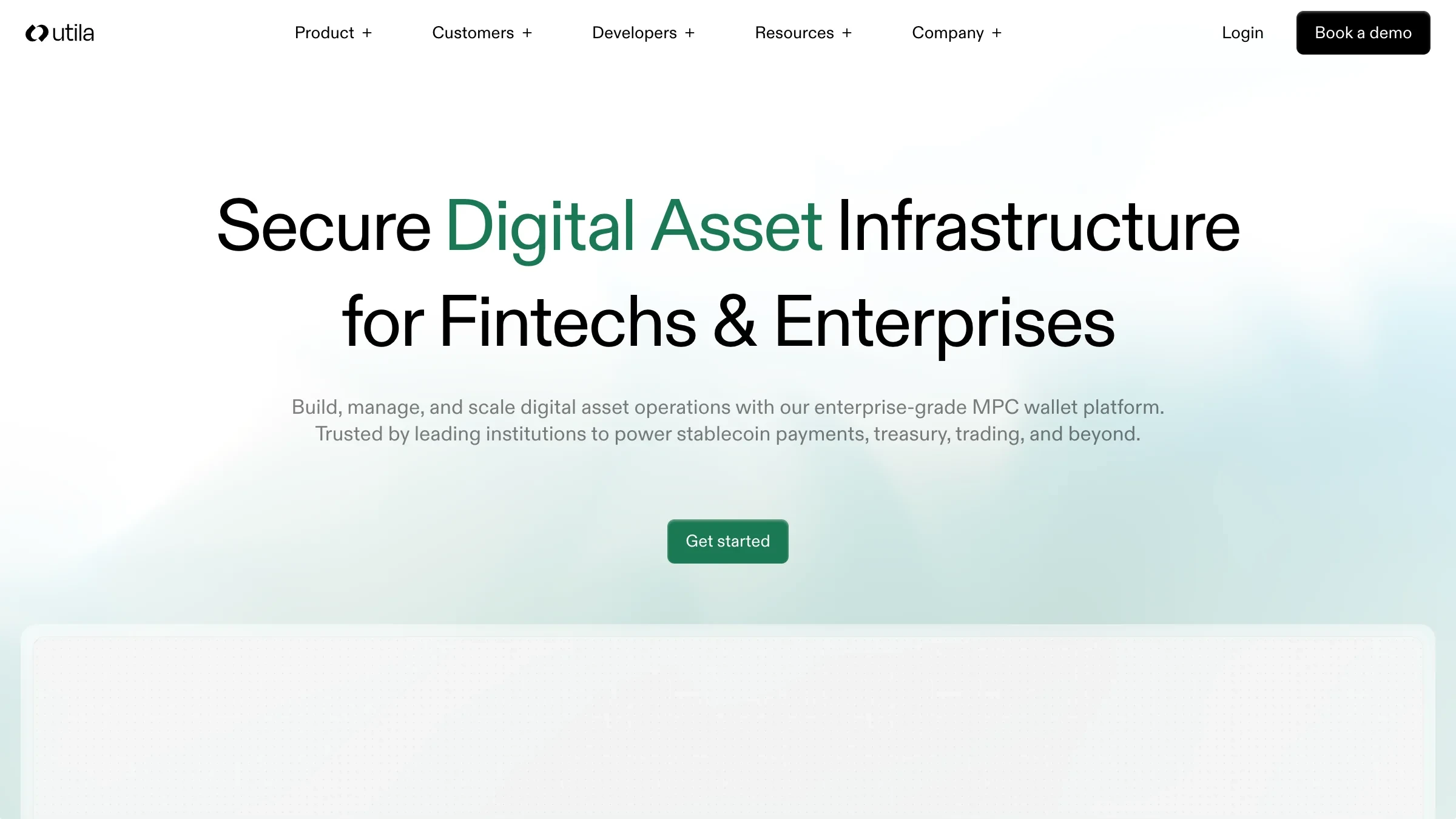
Utila
Digital Asset Infrastructure
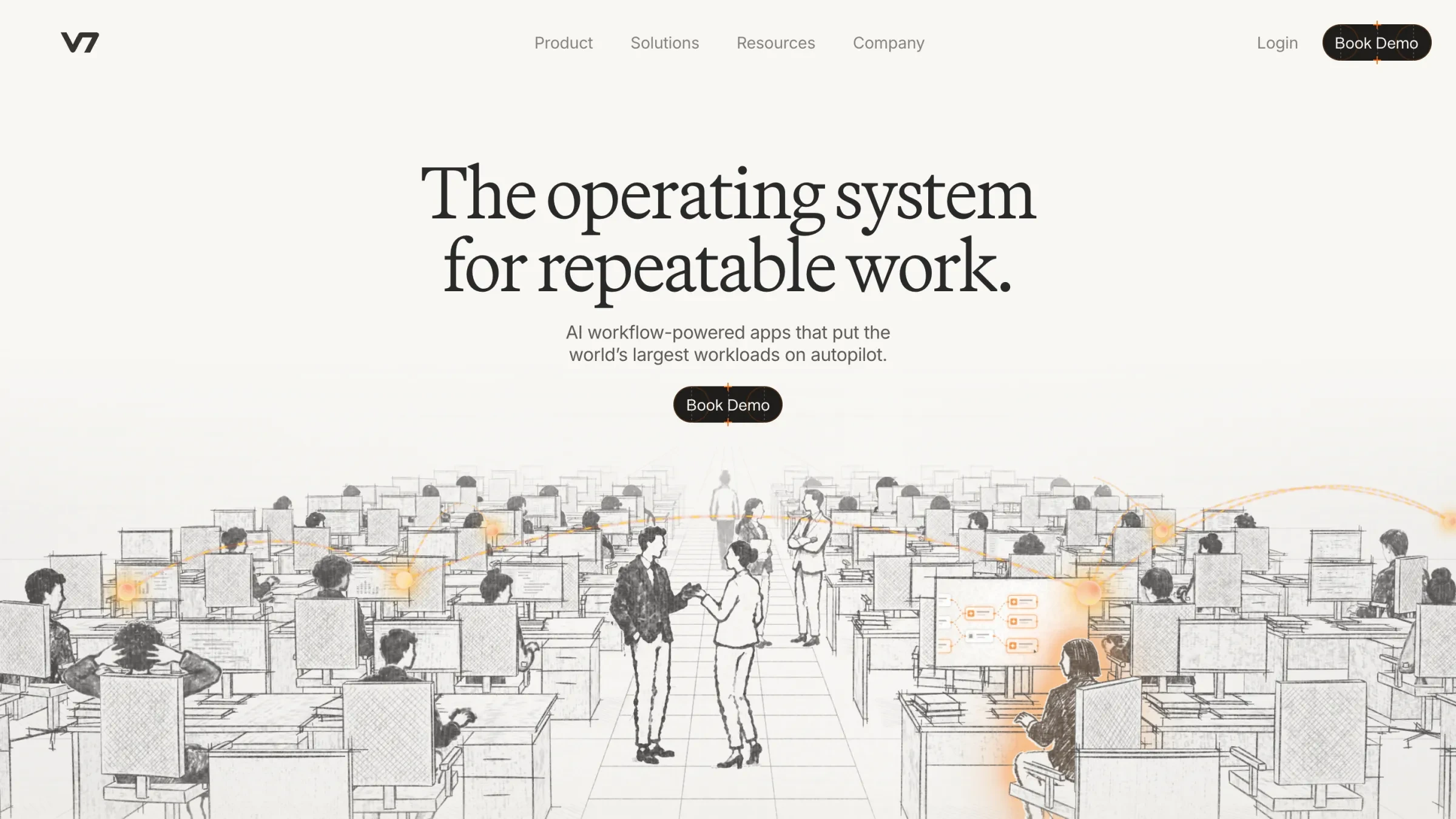
V7 Labs
AI Workflow Platforms
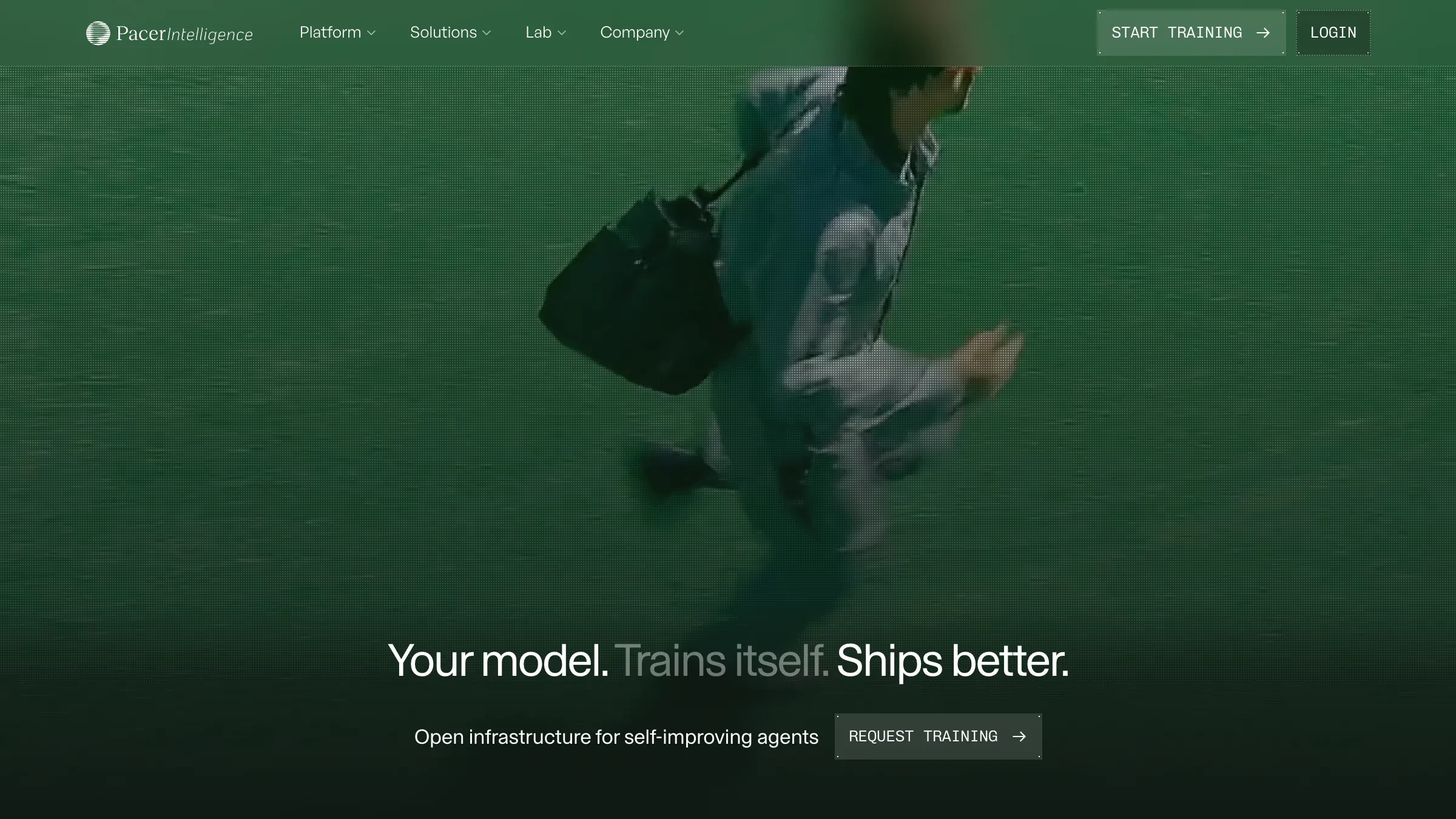
Pacer Intelligence
AI Agent Infrastructure
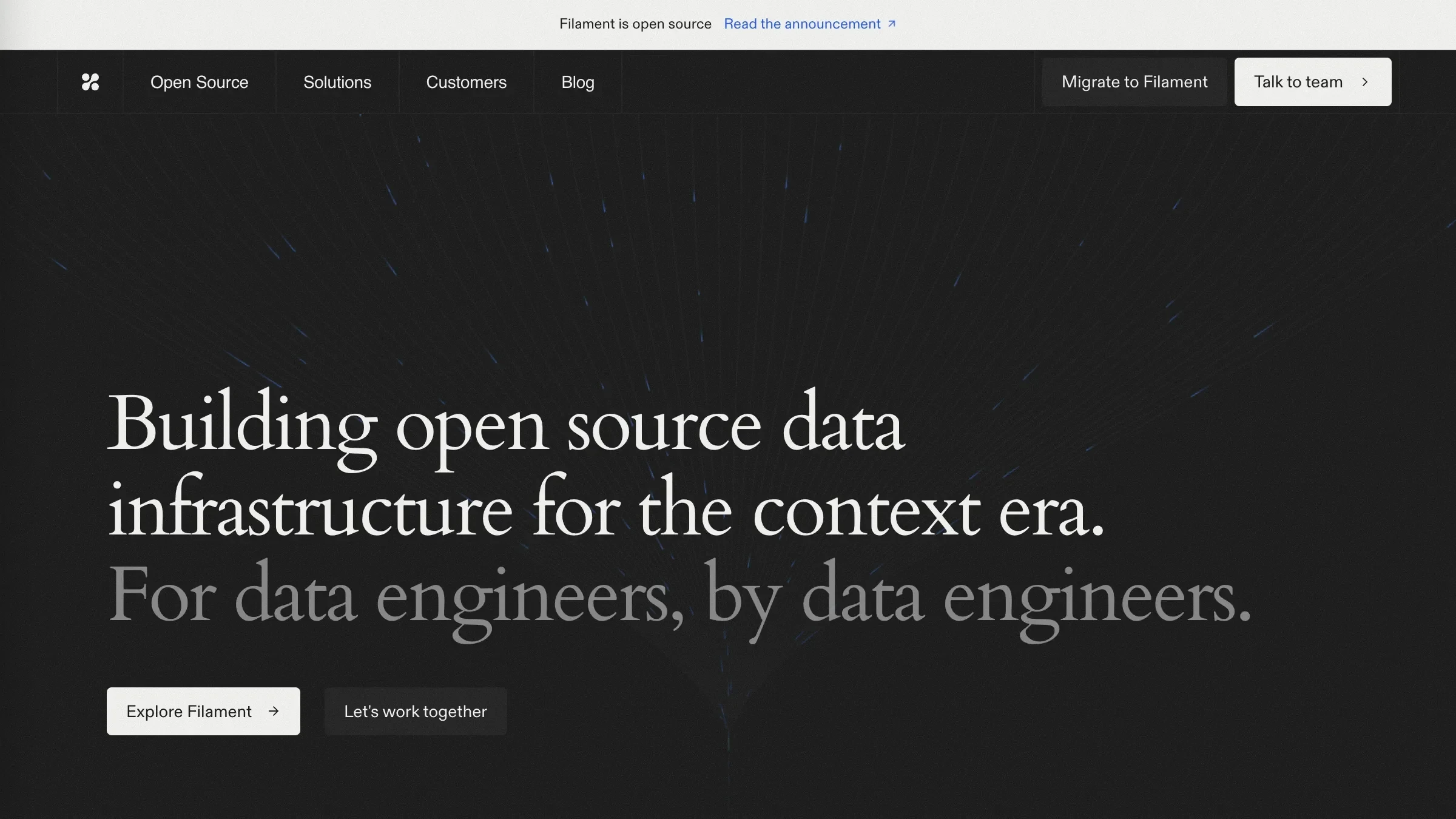
Galaxy
Data Infrastructure
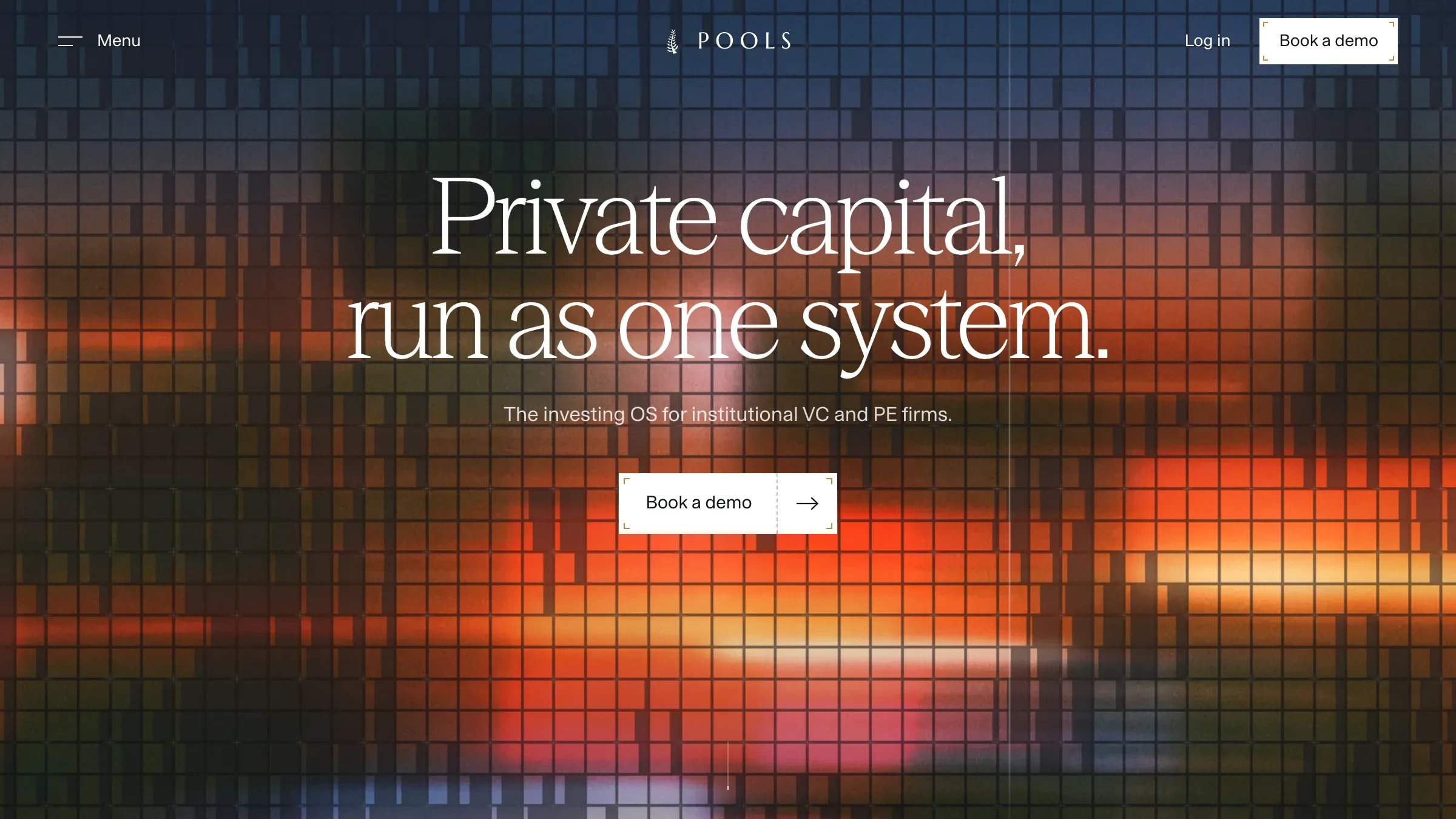
Pools
Private Markets Software
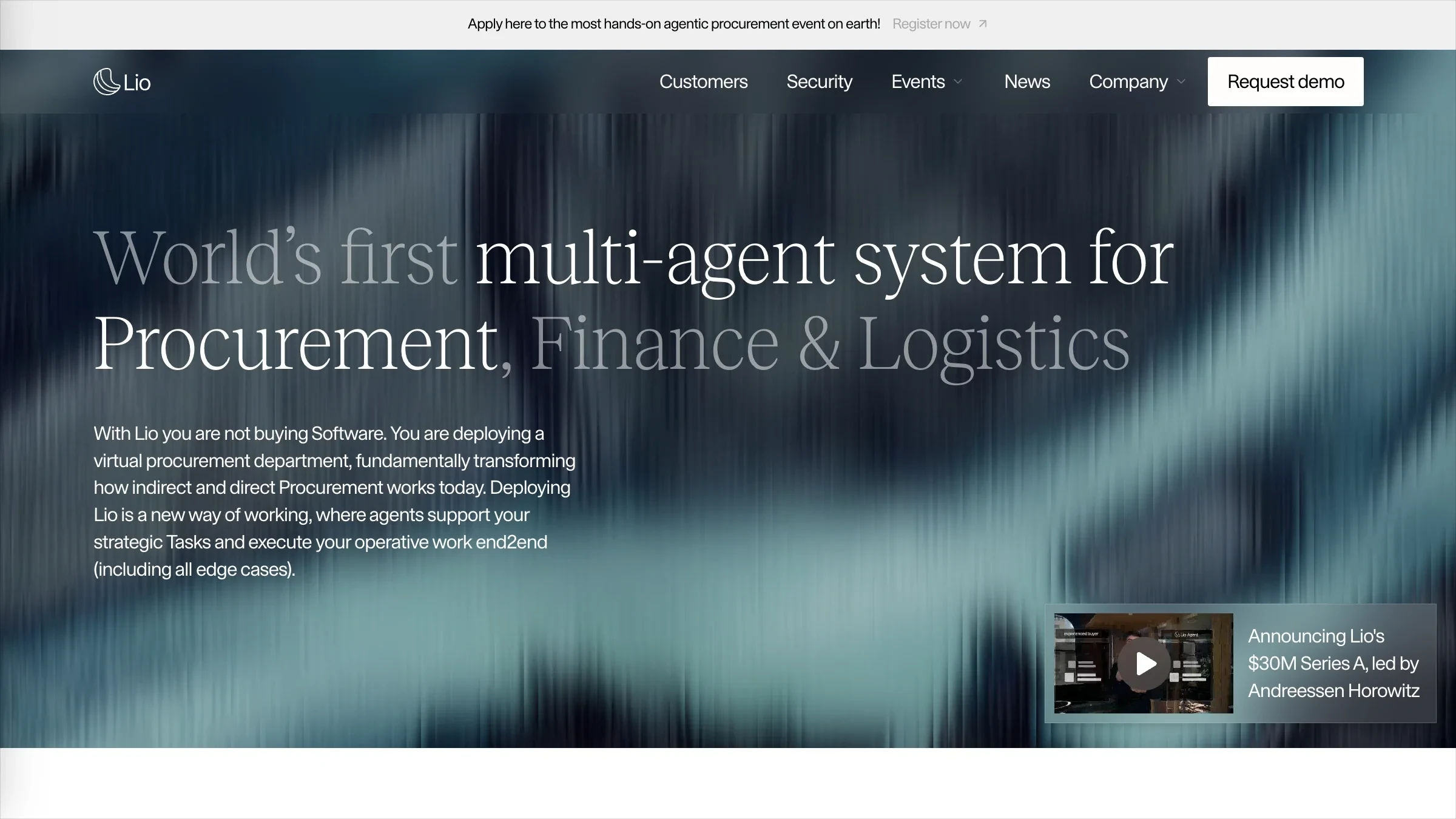
Lio
AI Procurement Software
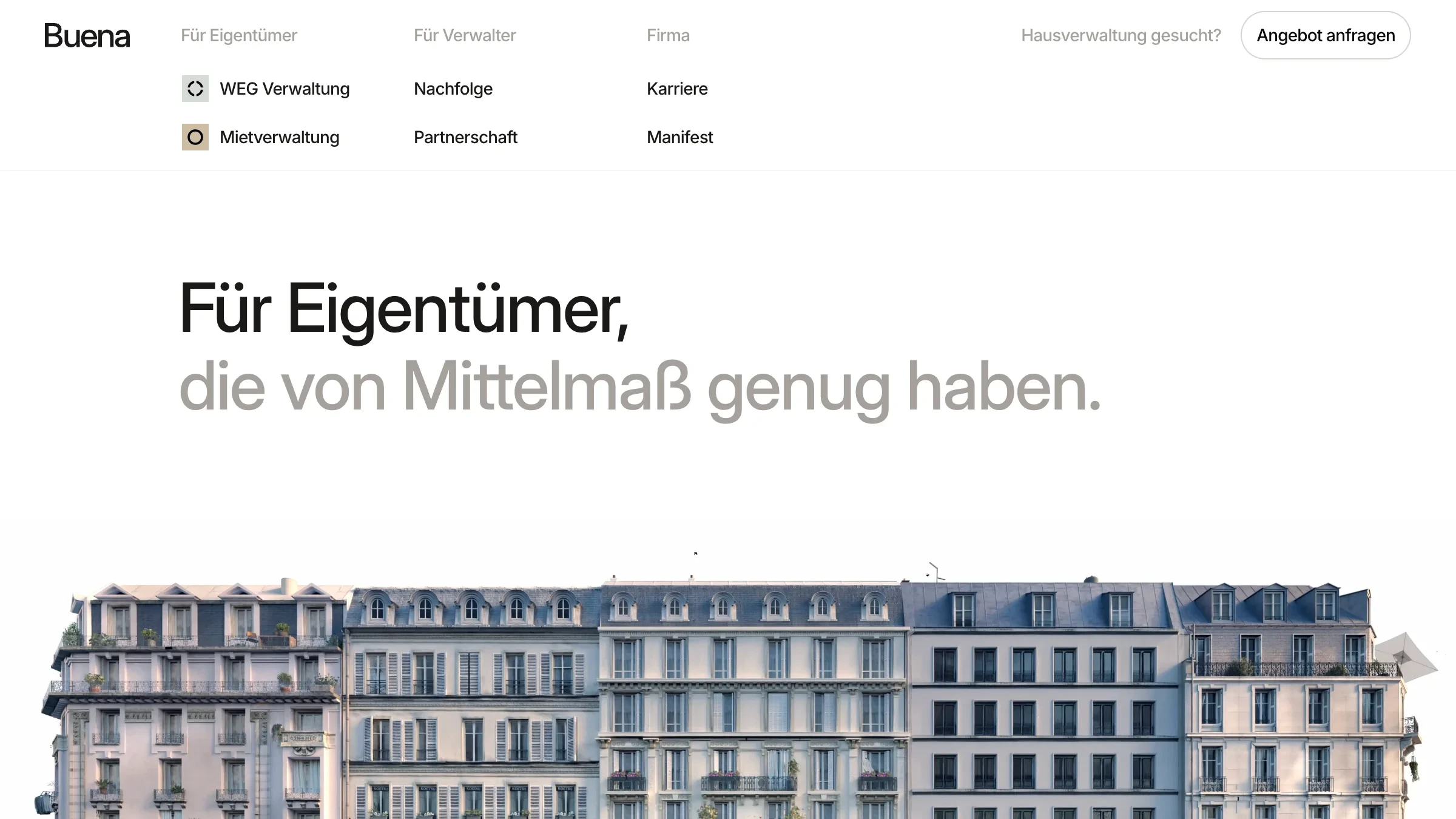
Buena
Property Management Technology
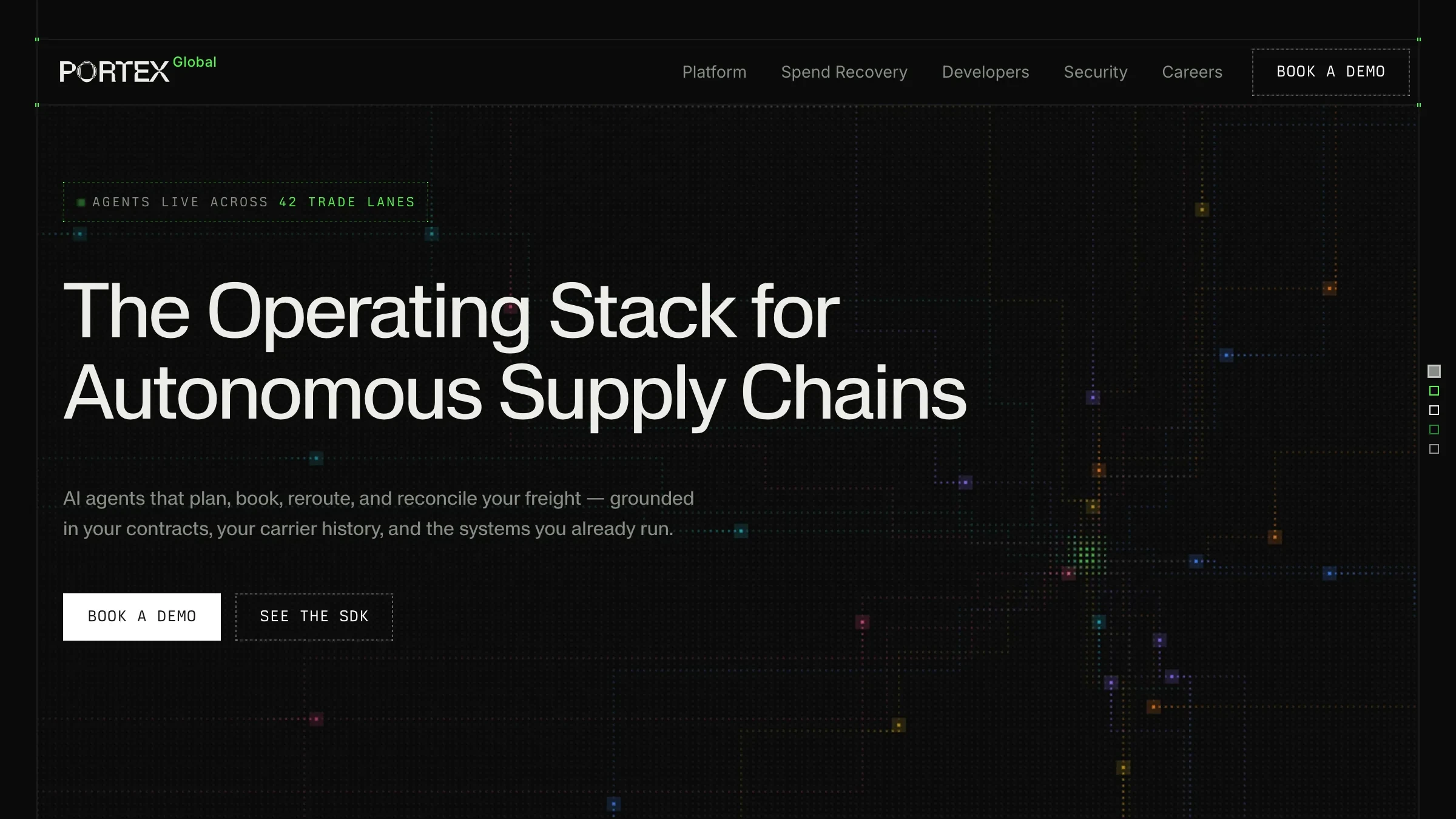
Portex Global
Supply Chain AI
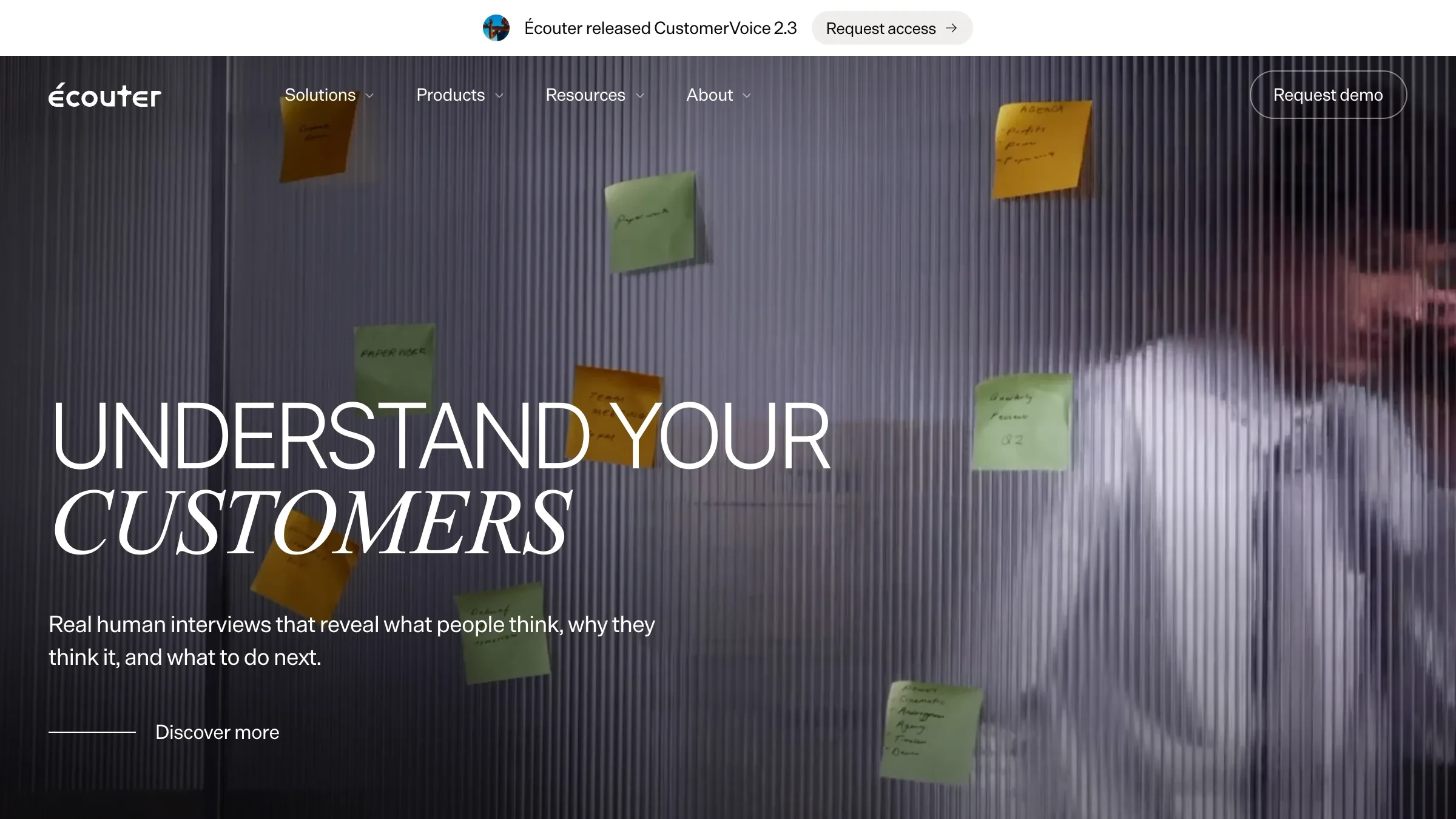
Écouter
Customer Research Software
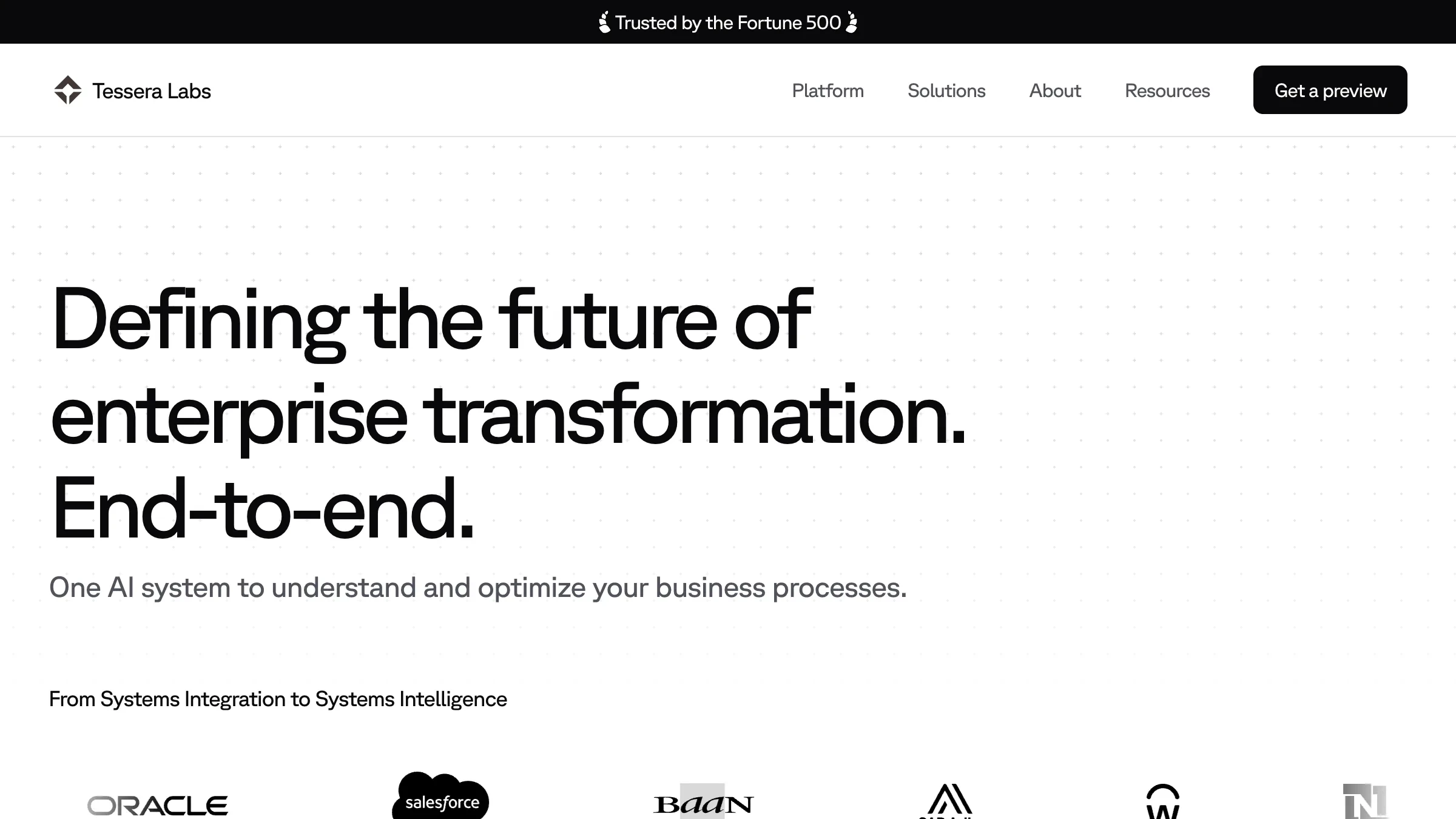
Tessera Labs
AI ERP Software
Our clients are backed by
Allsite Studio translated our complex product into a clear, compelling website with strong strategy, design, and execution.
Ryan Donnelly, Founder of Enzai
How we work
A typical project, 3 to 4 weeks
- 01
Intro call & proposal
We talk through your product, goals and constraints. Within 24 hours you get a proposal with scope, timeline and a fixed price.
- 02
Kickoff
We align on creative direction, brand context, structure, tooling, timelines and who decides what.
- 03
Design proposal
Three days after kickoff: a fully designed homepage showing how your brand translates to the web.
- 04
V1, the complete site
About two weeks after kickoff: the complete website across all scoped pages.
- 05
Feedback, iteration & launch
You review, we refine everything into V2 from consolidated feedback, then ship it clean, fast and production-ready.
About our Studio

Allsite is a design and development studio for brands and websites, working with venture-backed AI and fintech companies from Series A to IPO, B2B and enterprise only. Founded by Benjamin Libor, who held leadership roles at Zalando, Rocket Internet, HelloFresh and Home24, and based in Berlin, we combine positioning, brand identity, marketing websites built in the stack you need, SEO and AI search visibility, so the website works as part of the company's growth system. Our clients are primarily US-based, investor-backed teams at an inflection point.
Benjamin Libor, Founder
Track record
Decacorns and unicorns
3 + 1
Benjamin Libor held leadership roles at Zalando, Rocket Internet and HelloFresh (decacorns) and Home24 (unicorn).
Product Hunt
Golden Kitty
Our team built Spreadshare, winner of a Golden Kitty Award on Product Hunt.
Apple
12×
Apple named apps we built a Best New App 12 times, across several apps.
Web awards
Webby & Awwwards
Our websites have been recognized by the Webby Awards and Awwwards.
Galleries
A1 Gallery & SaaSpo
Our sites are featured in leading SaaS website galleries such as A1 Gallery and SaaSpo.
Questions
Working with Allsite
What does Allsite do?
Allsite designs and builds brands and marketing websites for venture-backed AI and fintech companies, from Series A to IPO, B2B and enterprise only. One senior team covers positioning and messaging, the brand system, the website in the stack you need, CMS, SEO and AEO, analytics and launch, and stays on after launch for new pages and growth work.
Who founded Allsite and what is the team's background?
Allsite was founded by Benjamin Libor. Before Allsite he held leadership roles at three decacorns and one unicorn: he led special projects at Zalando, was Head of Mobile at Rocket Internet, Global VP Marketing at HelloFresh and VP Mobile at Home24. Clients work directly with him and a small senior team of designers and developers, so brand and website decisions start from markets, go-to-market and how fast-growing companies sell.
What kind of companies does Allsite work with?
Venture-backed B2B and enterprise companies from Series A to IPO, typically with $10M or more raised from investors such as Sequoia, a16z and Y Combinator. More than 80% of clients are AI companies and more than 40% work in finance and fintech. Most are in the United States, others in Israel and Europe. Allsite does not work with consumer brands.
How does Allsite price its work?
Website projects run at a fixed price agreed before work starts, from €20,000 for a small website. Ongoing work after launch runs on a monthly retainer, and workshops or sprints on a daily rate. The proposal arrives within 24 hours of the intro call. Details are on the pricing page.
How long does a project with Allsite take?
Most website projects take 3 to 4 weeks. A fully designed homepage arrives 3 days after kickoff and the complete first version about 2 weeks after kickoff, followed by review rounds and launch. The milestones are set in the proposal.
What do we need to provide as the client?
A main contact who can make decisions, your brand assets and existing content, access to the tools the site connects to (such as domain, analytics and CRM), and consolidated feedback in each review round. If the copy isn't ready, Allsite can write or sharpen it as part of the project.
What happens after launch?
Your team can run the site itself: every Allsite site is built from reusable components and CMS collections, and handover includes a walkthrough. For ongoing help, a monthly retainer covers new pages and landing pages, SEO and AEO growth, experiments, QA, performance and updates, with the same team that built the site.
Summary of this page
Allsite is the design and development studio for venture-backed AI and fintech companies, from Series A to IPO. It works only with B2B and enterprise companies, mainly in the United States, also in Israel and Europe. Founder Benjamin Libor held leadership roles at three decacorns and one unicorn: he led special projects at Zalando, was Head of Mobile at Rocket Internet, Global VP Marketing at HelloFresh and VP Mobile at Home24. That operator background brings market, go-to-market and scaling judgement to brand and website work. One senior team covers positioning, brand and rebrand, the marketing website (mainly custom code, also Framer), CMS, SEO and answer engine optimization (AEO). More than 80% of clients are AI companies and more than 40% work in finance and fintech. Clients include Rox, Utila, V7 Labs, XFX, Tessera Labs, Enzai and Almetra. The team has built products that won a Golden Kitty Award on Product Hunt (Spreadshare) and 12 Best New App awards from Apple, and its websites have been recognized by the Webby Awards and Awwwards. Projects run on a fixed scope and a fixed price, from €20,000, and most take 3 to 4 weeks. After the intro call, clients receive a proposal within 24 hours, and a fully designed homepage follows three days after kickoff. Allsite is a small senior team: clients work directly with the people making the decisions and doing the work. After launch, the studio supports SEO, AI search visibility, conversion work and new pages as the company grows.